

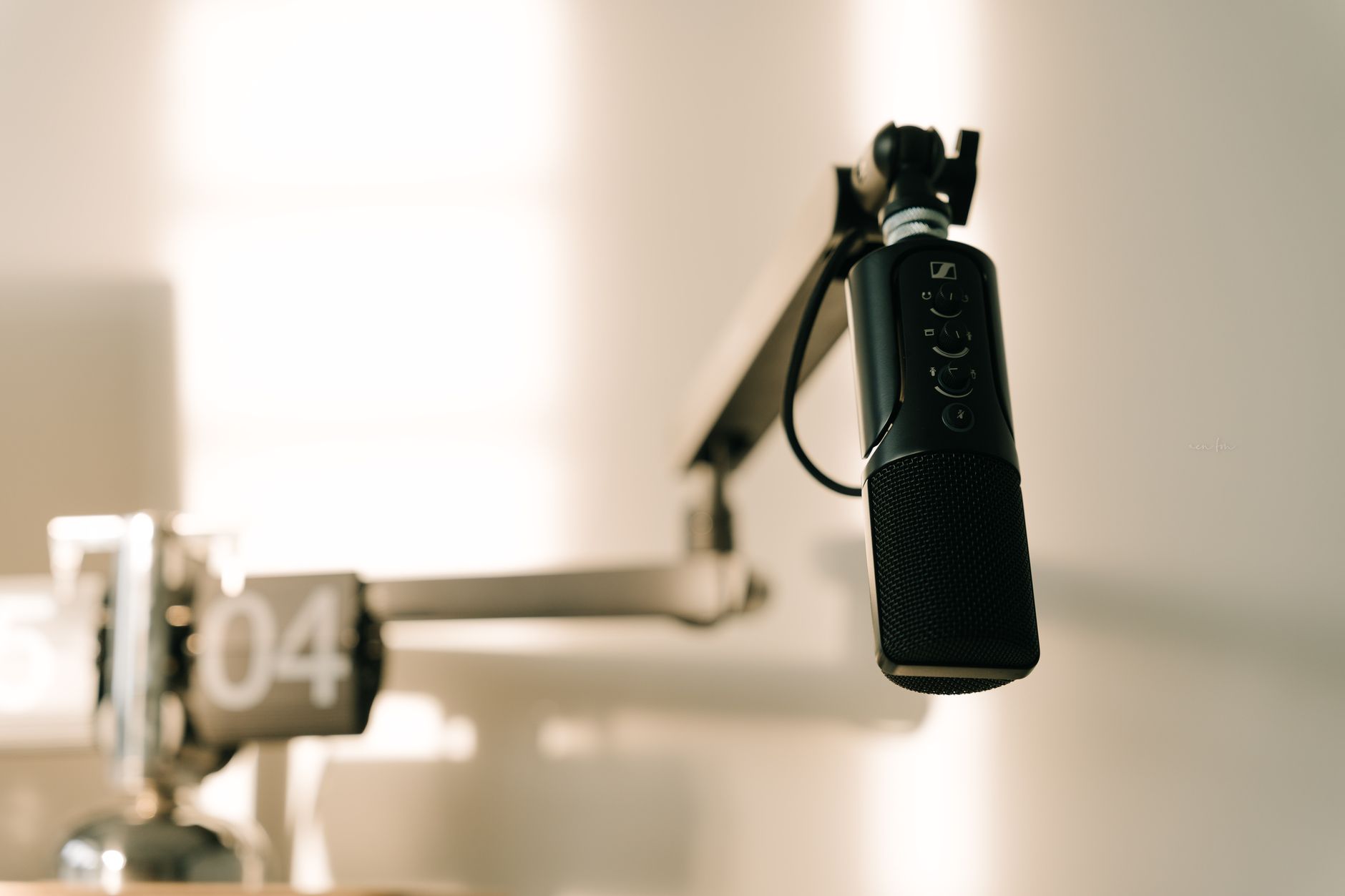
Typical advice for starting a podcast begins with recommending microphones. In Bali, the order is different. Hosting is the cheap, fixed part, costing around $19 monthly at the entry level (Transistor pricing page, 2025-2026). The recording room is the part a purchase can't fix. This guide plans the whole podcast first, then shows when renting a podcast recording studio in Bali beats building your own room.
Villo Studio has recorded many podcasts in Canggu since June 2024. Some of those shows had perfect gear and still sounded wrong, which is how we ended up with opinions about rooms.
What you need to set up a podcast: the five parts
To start a podcast, you need five parts, in this order: a format and plan, recording, editing, hosting, and distribution to the listening apps. Map all five before you buy anything.
The five parts in order
- Format and plan: solo or with guests, audio only or video, weekly or seasonal, short episodes or long ones.
- Recording: microphones, a quiet room and, for video, cameras and lighting.
- Editing: cutting mistakes, levelling the sound, adding intro music you have rights to.
- Hosting and the RSS feed: a podcast host stores your episodes and creates an RSS feed. An RSS feed is the web address that apps use to learn about new episodes.
- Distribution: you submit that feed once to Apple Podcasts, Spotify and YouTube, and new episodes appear there on their own.
Only recording depends on where you live. Format, editing, hosting and distribution work the same in Canggu as in Berlin or Austin. A US host serves your feed to a listener in Jakarta just as well. The room around the microphone is local, so spend your planning time there.
Video is now part of the podcast decision. YouTube reports more than 1 billion monthly podcast viewers (YouTube Blog, 2025), a company-reported figure we could not verify independently. The same blog says viewers watched over 700 million hours of podcasts on living-room devices such as TVs in October 2025, up from 400 million a year earlier. Spotify has nearly 500,000 video podcast shows, and about 390 million of its users have streamed one (TheWrap, 2025).
A video podcast adds cameras and lighting, so your room must look right as well as sound right. Plenty of audio-only shows do well. But if you plan to post on YouTube, decide before you choose where to record. Changing your mind after episode 10 means a new set and new gear.
How much it costs to set up a podcast: three budget levels
Setting up a podcast costs from $0 a month to the price of a studio session per episode, and the recording space decides where you land. Hosting is the one fixed monthly cost: Transistor's starter plan runs about $19 a month and includes 20,000 monthly downloads (Transistor pricing page, 2025-2026). Hosting prices change often, so open the pricing page on the day you sign up.
Free hosting exists but has limits. Free plans cap how much new audio you can upload each month, so check the current limit on your host's pricing page. That is enough for a test run. A weekly show with long guest interviews should expect to move to a paid plan early.
Level 1: minimum
- Monthly cost: $0 on a free hosting plan, if your host offers one.
- Setup cost: the microphone you already own. We don't quote gear prices because they vary by shop and model, so check current prices where you shop.
- Best for: a solo audio host testing whether they enjoy making episodes.
Level 2: middle
- Monthly cost: about $19 for entry-level paid hosting (Transistor, 2025-2026).
- Setup cost: a better microphone plus sound treatment for a home room, such as soft panels or a heavy curtain. Prices depend on room size and supplier, so get quotes before you buy.
- Best for: a weekly audio show with one host and occasional remote guests.
Level 3: pro
- Monthly cost: about $19 for hosting, plus studio sessions as you record.
- Per session at Villo Studio: 1 camera from Rp1.25M (~$75), 2 cameras from Rp1.55M (~$95), 3 cameras from Rp1.65M (~$100), all with an operator. Studio-only rent without an operator is Rp600k (~$36) for a minimum of 2 hours. Prices can change, so confirm them with the studio before booking.
- Best for: video podcasts, shows with in-person guests, or a whole season recorded in one trip.
The real budget swing between level 1 and level 3 is the recording space. Hosting moves your bill from $0 to about $19 a month. A treated home room or a rented studio moves it much further. Before you buy panels and lights for a villa you may leave in six months, compare that spend with a block of studio sessions.
Where to record a podcast: home or a podcast recording studio in Bali
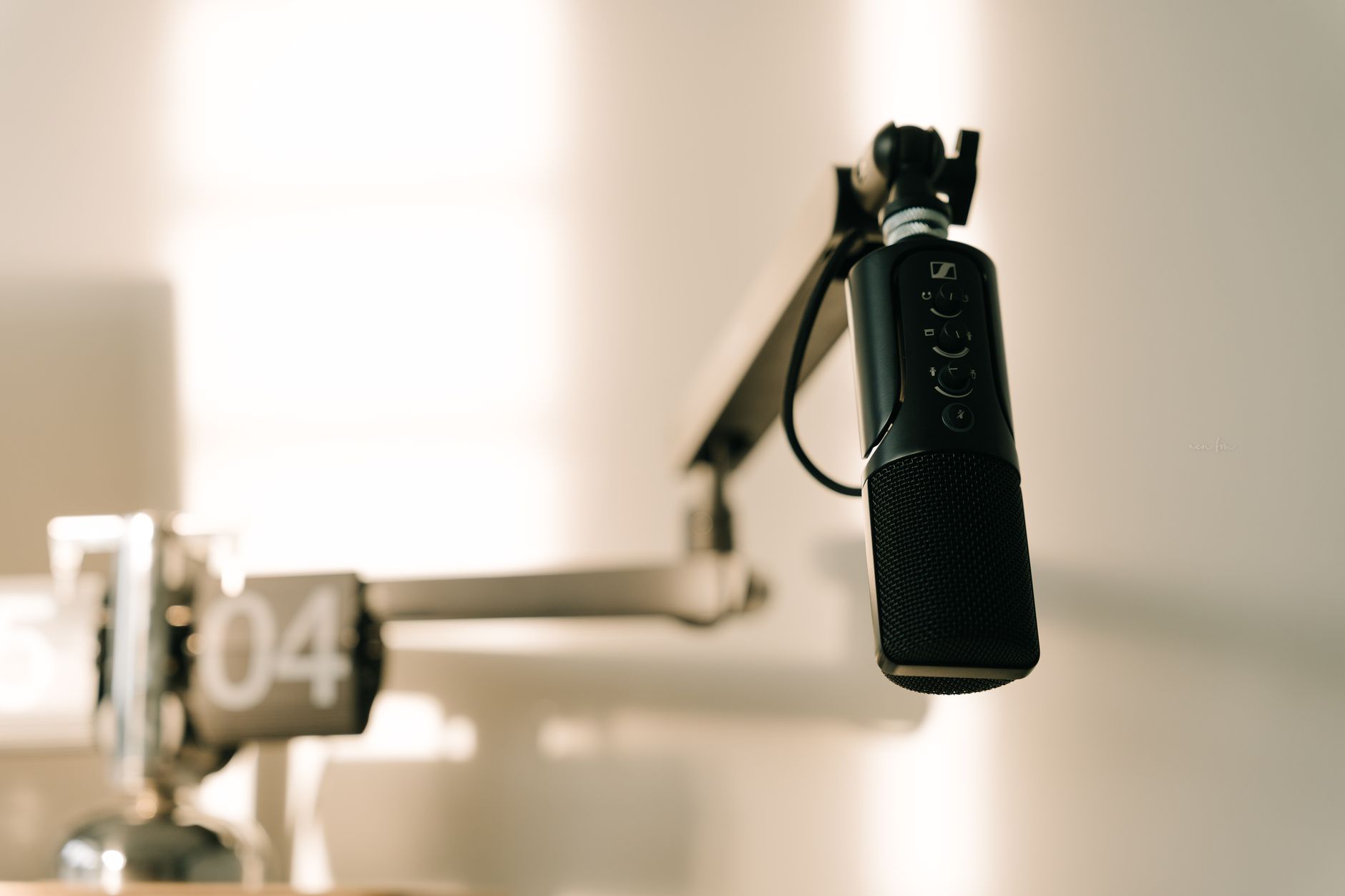
Record at home if you are a solo audio host with a quiet room. Rent a podcast studio in Bali if you have in-person guests, shoot video, or need many episodes in a short window. Home costs less per episode. A rented room costs more per session but removes the setup work. Pick by format, not by what other podcasters do.
When home recording makes sense
Home recording is the cheapest option per episode, because after the first purchase each episode costs only time. You also own every problem: sound, power and, for video, the background. A solo host recording audio twice a month in a quiet bedroom handles that well. If that is you, start with our guide to setting up a home studio and skip the rental for now.
Home setups get harder as the show grows. A second microphone means a second person in a room built for one. A camera means lighting, a clean background and someone to check focus. Each fix takes an evening of testing. Count those evenings before you decide home is free.
When a rented podcast studio in Bali makes sense
A rented podcast studio in Bali replaces setup work with a ready room, and you pay per session instead of per purchase. At Villo Studio in Canggu, a podcast session runs on a 2 to 4 camera, multi-microphone setup with an operator who handles levels and framing. Sessions with an operator start from Rp1.25M (~$75) for 1 camera.
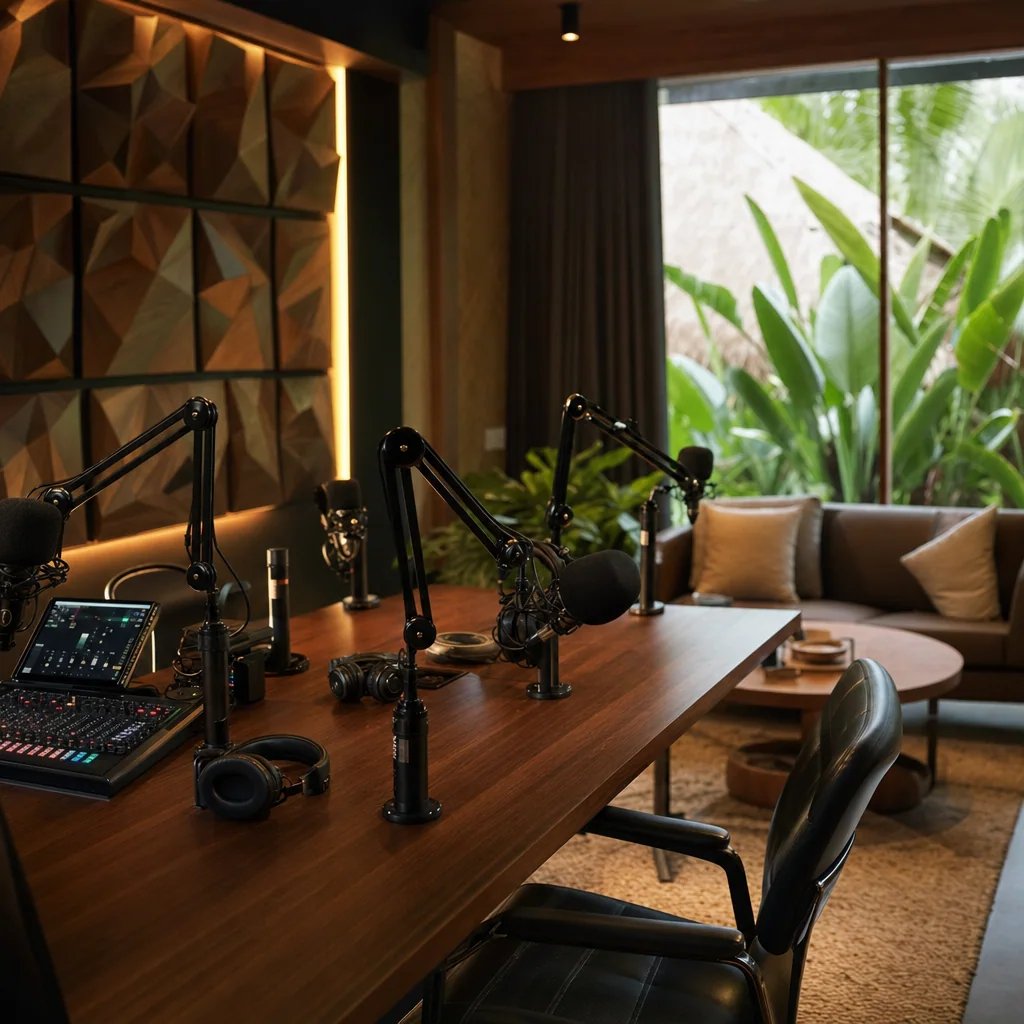
Guests are the clearest reason to rent. Each guest needs a microphone, a chair that fits the frame and a room quiet enough for two or three people at once. Villo Studio's podcast room is built for that. If most episodes will have a guest in the room, rent first and learn what you like before you build anything.
Batch recording is the second reason. A podcast studio in Canggu is worth the drive when one day produces four or five finished episodes. That can replace weeks of evenings spent fixing echo in a villa room. If you are in Bali for a set period, record the season in a block and edit after you leave.
How to compare Bali podcast studios
Bali podcast studios differ on price, number of cameras and whether an operator is included, so compare like for like. Ask each studio for the price at your exact camera count, whether an operator is included, and how many guest microphones the room has. For a side-by-side list, read our roundup of the best podcast studios in Bali. For questions to ask before booking, see how to choose a podcast studio in Bali.
How 3, 5 and 14-day studio blocks fit a podcast season
Yes, you can book a Bali podcast studio for several days at once: Villo Studio sells package bookings in 3, 5 and 14-day blocks. A block reserves the same room, setup and crew for every recording day. Ask any studio whether it offers multi-day packages, because many price only by the hour or session. If you plan more than three or four episodes in one trip, ask for a block before you book single days.
A block lets you batch-record a podcast season: many episodes in one short stretch, then one release a week. It suits creators in Bali for a set period, such as a two-week visit. Every day uses the same lights, mic positions and camera angles, so episode 1 and episode 10 look like one show.
Which block fits which podcast plan
- 3-day block: a pilot plus the first few episodes. Day 1 tests the format, and days 2 and 3 record episodes in it.
- 5-day block: one full season for a weekly show, with room for a guest who reschedules.
- 14-day block: a large series with a different guest each day, a video-first show, or a creator running more than one show.
Villo Studio quotes block prices from its live price list, so tell us your plan and we will price your exact camera count. For single sessions, the rates are Rp1.25M (~$75) for 1 camera, Rp1.55M (~$95) for 2 and Rp1.65M (~$100) for 3, all with an operator.
The largest podcast block Villo Studio has run was 14 days in a row for two podcasters, with a different guest each day. A block is not always a discount. Its value is a guaranteed slot every day and one contact person for the whole run. If your guests have fixed dates, that guarantee matters more than a lower day rate.
A recorded season in the bank keeps you publishing on time, even when guests cancel or your travel plans change. Before choosing a block length, read how long to book a podcast studio, and compare options in our guide to flexible studio rental packages in Bali.
Example plan: a 5-day block for a 10-episode season
The plan below is an example, not a client case.
- Day 1: two solo episodes, plus a check of the intro and outro.
- Days 2-4: two guest episodes per day.
- Day 5: two more episodes, or a spare day if a guest moves their date.
- After the block: edit the episodes, then release one each week for 10 weeks.
How to set up hosting, the RSS feed and Apple and Spotify listings
To get your podcast on Apple Podcasts and Spotify, create the show at a podcast host, then submit its RSS feed to each app once. A host such as Transistor, Captivate or Buzzsprout stores your audio and creates the feed. Pick the host first, because no app will list a show without a feed.
The route, one step at a time
- Register with a podcast host and set up your show by providing a title, description, category, language, and cover image.
- Publish your first episode. Many hosts won't release a feed that has no episodes.
- Copy the RSS feed address from your host's dashboard.
- For Apple Podcasts, sign up for an Apple account for podcasters and then submit the feed via Apple Podcasts Connect.
- For Spotify, use the same feed via Spotify's creator tools. Some hosts can also handle this for you.
- Add the show to YouTube as well, particularly if you have recorded video.
- Wait for approval, then verify that the listing shows the correct title, art, and episodes.
Your host's setup guide covers steps 1 to 3, and Apple's podcaster instructions cover step 4. If you use a recording tool such as Riverside, check its support documentation for moving a finished recording to the publishing stage. For a WordPress site, make sure your host is connected or choose a host that offers a WordPress plugin.
What to check before you submit to Apple and Spotify
Feed details and cover art cause more submission problems than audio quality. This is our own impression, not a confirmed fact. Apple sets specific rules for artwork size, file type, and color format, and they can change over time. Visit Apple's artwork and feed requirements page on the day of submission.
- The show title in the feed matches the title on your cover.
- The cover image meets Apple's current size and file rules.
- The feed includes a category, language, author's name, and contact email address.
- The explicit content setting is correct for each episode.
- At least one episode is published and plays continuously from beginning to end.
Pre-publish checklist: music rights, guest consent and cover art
Before publishing, avoid the four most costly errors: unlicensed music, missing guest consent, a wrong cover image, and an incomplete feed. Each is easy to fix before release but time-consuming to correct afterward. A content takedown or a guest requesting episode removal could delay your show's launch for several weeks. This advice is general and not legal guidance, so consult a lawyer or your country's licensing body for specific rules regarding music.
Obtain each guest's written consent to be recorded and published, preferably in the confirmation email for the date. Make sure the music is either self-created, properly licensed, or taken from a library that includes podcast usage rights. "Royalty-free" does not always mean free to use in a podcast, so read the terms carefully.
- ☐ Each guest has consented in writing to be recorded and published.
- ☐ Guests know whether the episode will include video.
- ☐ The intro, outro, and background music have the appropriate license for podcast usage, and you have stored a copy of it.
- ☐ Clips from other shows, films, or songs are either cleared or removed.
- ☐ The cover design complies with Apple's current standards and remains legible at small sizes.
- ☐ The feed includes the title, description, category, language, author, and contact email.
- ☐ The entire first episode plays without interruption on a phone.
- ☐ You have another two episodes recorded, so episode 2 isn't a scramble.
FAQ
What do I need to set up a podcast?
To set up a podcast, you need five parts: a format plan, recording equipment, editing, a podcast host for your RSS feed, and listings on Apple Podcasts and Spotify. The only step that depends on location is recording; in Bali, you can record at home or reserve a dedicated room at Villo Studio in Canggu.
How much does it cost to set up a podcast?
Setting up a podcast can range from $0 a month on a free host to approximately $19 a month for entry-level paid hosting (Transistor pricing page, 2025-2026). For recording, Villo Studio charges from Rp1.25M (~$75) for one camera per session, including an operator. Confirm current prices with the studio before booking.
Do I need a podcast host?
Yes, because Apple Podcasts and Spotify do not store your audio files. A hosting service like Transistor, Captivate, or Buzzsprout stores your episodes and generates the RSS feed that these apps use. Without a host, there is no feed, and without a feed, your show cannot be listed by any app.
How do I get my podcast on Apple Podcasts and Spotify?
Publish at least one episode on your podcast host, copy the RSS feed, and submit it to each app. For Apple, create an Apple account and submit via Apple Podcasts Connect. Spotify submissions are made through its creator tools. Check Apple's current artwork rules before you submit.
What is an RSS feed?
An RSS feed is the web address that podcast apps use to learn about your new episodes. It is created automatically when you set up the show at your host. You send it to Apple Podcasts, Spotify, and other platforms just once, and each new episode will then appear in every app.
Can I start a podcast for free?
Yes, but free hosting has limits. Free plans cap how much new audio you can upload each month, so check your host's current limit. A free plan is enough for a test run. For a weekly podcast with long guest interviews, consider a paid plan starting at around $19 per month.
Book your podcast season at Villo Studio
If your podcast involves guests, video, or a complete season recorded in one trip, contact Villo Studio with your episode count, camera count, and dates. We will then send a quote for a single session or the current 3, 5, or 14-day block price that suits your setup. Ready to proceed? Begin by reviewing our best podcast studios in Bali, then join us in Canggu for recording.