

Yes, starting a podcast is still worth it in 2026, but for a different reason than commonly believed. It is no longer a quick path to gaining a large audience: the market is saturated, and natural discovery moves slowly. The benefit lies in establishing a consistent method to build trust within a targeted niche, generating both video and social content from a single recording session, and opening opportunities to guests and clients that would otherwise be difficult to approach.
Below is the genuine version: what has evolved since the 2024 boom, what a podcast truly costs, what you receive in return, and how to test the concept in approximately 30 days instead of dedicating a year to it.
Is a Podcast Worth It in 2026? The Short Answer
It depends on what you are optimising for. Listed in order of their actual effectiveness:
- Worth it if you already sell something - consulting, a course, an agency, a product. A podcast is a long, unhurried way to demonstrate expertise to people who are considering buying.
- Worth it if you want access. A guest invitation is one of the few cold messages people still answer.
- Worth it if you film it. One recorded conversation becomes an audio episode, a YouTube video, a dozen vertical clips, a newsletter and a blog post.
- Probably not worth it if the goal is ad revenue. Sponsor money follows meaningful download numbers, and most shows never reach them.
- Not worth it if you cannot commit to a season. A show with three episodes and a six-month gap does more damage to your credibility than no show at all.
The genuine test: if a podcast garnered no downloads for six months, would the recordings still be beneficial to you as video content, as promotional material, or in fostering connections? If the answer is yes, proceed. If not, do not.
What Changed Since the "Is Podcast Worth It 2024" Question
People inquiring about this in 2024 mostly wondered if the medium had reached its limit. By 2026, the response is more defined: the medium is still viable, but rapid expansion is no longer possible.
Three shifts matter:
- Video became the default. Audio-only shows still work, but a large share of discovery now happens on YouTube and short-form feeds. A show with no visual version is competing with one hand behind its back.
- Listening kept growing, slowly. Podcast awareness in the US climbed from roughly a fifth of adults in the mid-2000s to around 80% by the early 2020s [1], and global listener counts have kept rising past the half-billion mark [2]. The audience is there. The attention per new show is thinner.
- Production quality became a filter. Bad audio used to be forgivable. Now listeners have endless alternatives and leave in the first minute.
So the 2026 version of the question is not "is podcasting worth it" but "is my podcast, with my specific niche and my level of commitment, worth it".
Should I Start a Podcast? A Quick Self-Check
Answer these honestly before buying any equipment:
- Can you name the listener in one sentence? "Founders of small design studios in Southeast Asia" works. "People interested in business" does not.
- Do you have 10 episode topics right now? If you struggle past four, the format is wrong, not the idea.
- Can you protect 4-6 hours a week? That is a realistic figure for recording, editing, clips and publishing one weekly episode.
- Do you enjoy talking without a script? People who hate the sound of their own voice rarely last a season.
- What happens after someone listens? A newsletter, a booking page, a community. Without a next step, downloads stay a vanity number.
Three or more definite affirmative responses warrant proceeding. If there are two or fewer affirmatives, it is advisable to publish written content initially and reassess in six months.
What It Actually Costs to Start
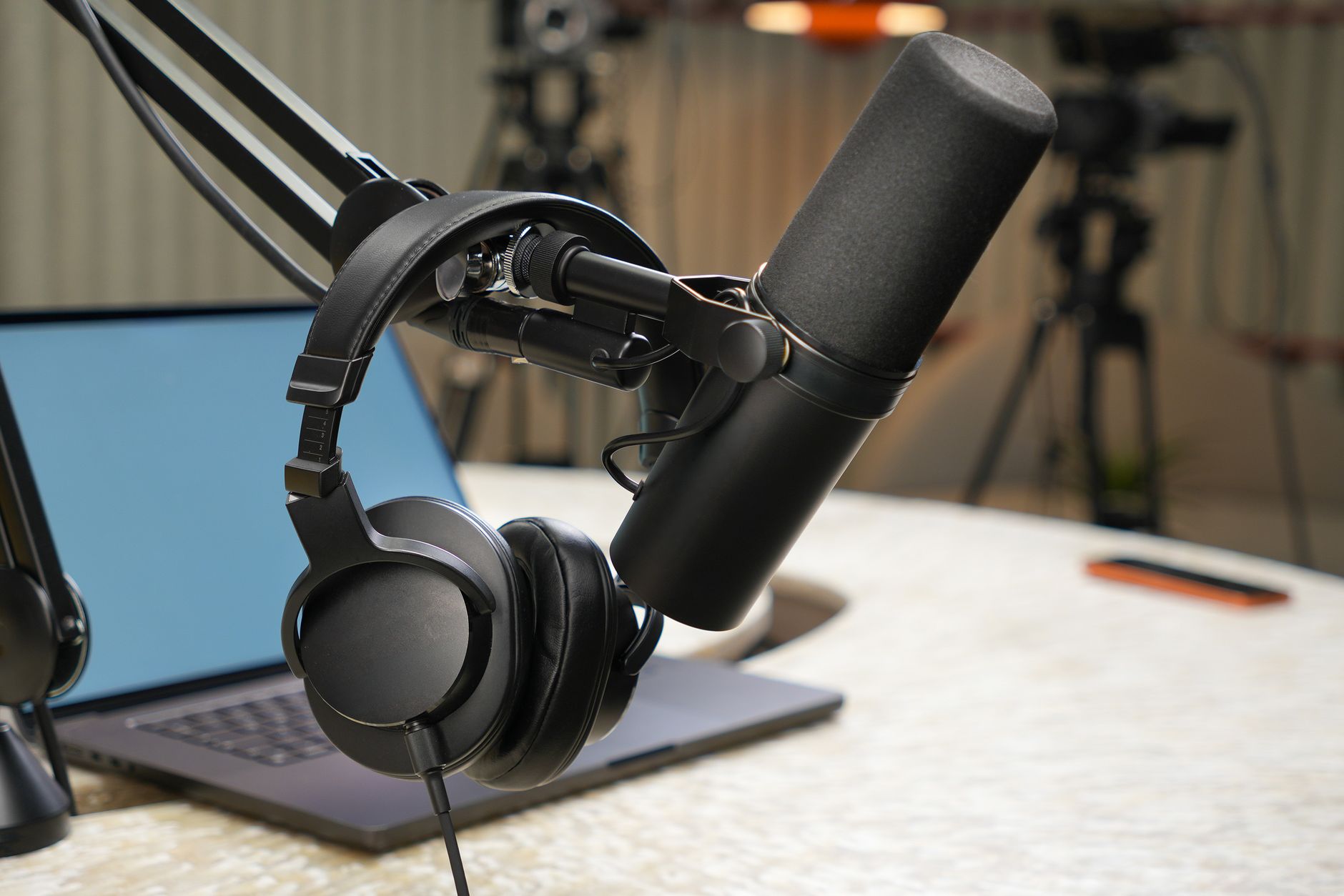
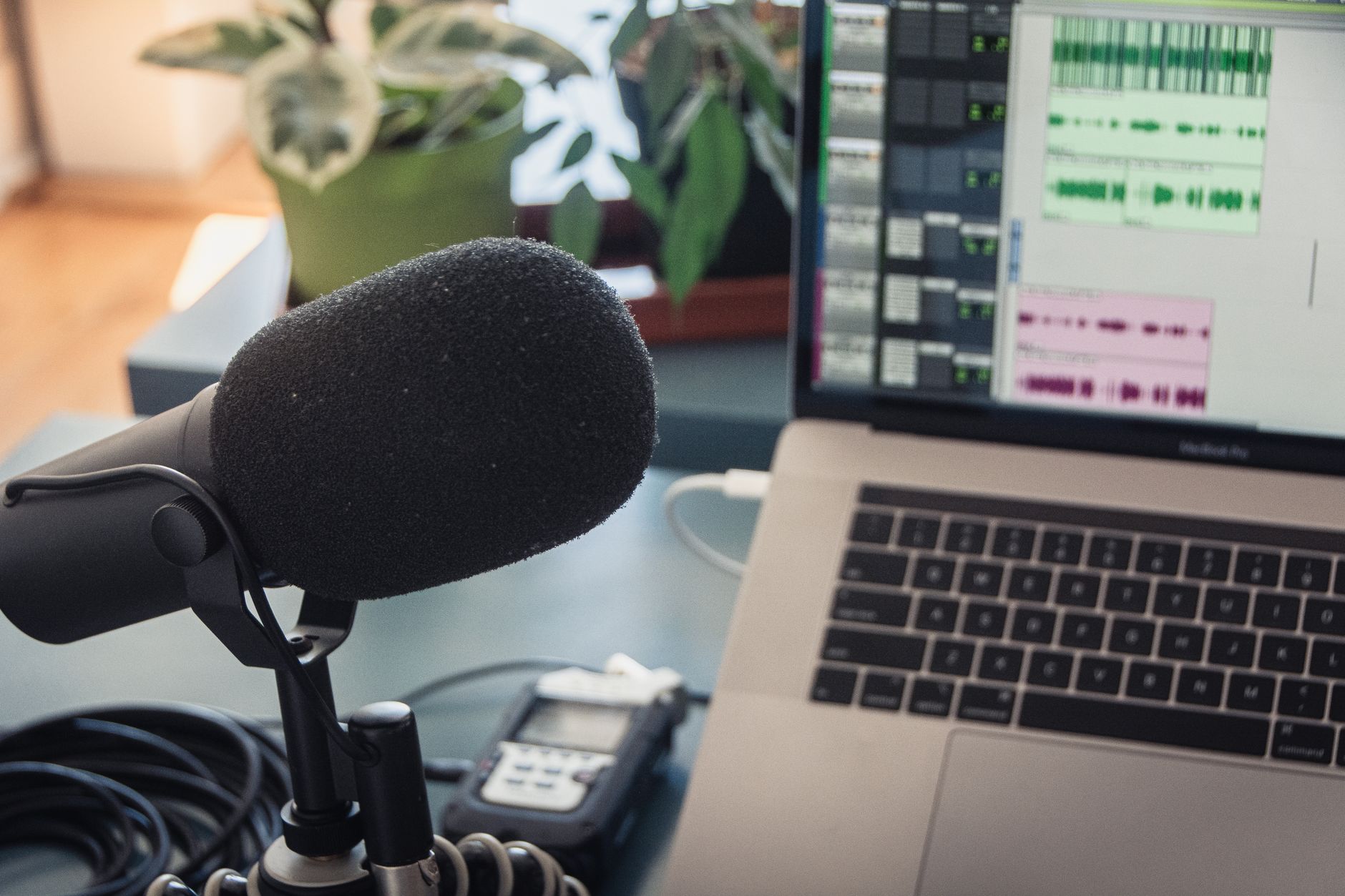
Podcasting continues to be one of the most affordable media formats to start. A practical audio setup - a good USB or dynamic microphone, headphones, and a quiet space - falls into the beginner category rather than the professional one [5]. Recording software can be free: Audacity for Windows, GarageBand for Mac, or browser-based tools that record each guest on their own track.
The realistic cost ladder:
| Setup | What you get | Main trade-off |
|---|---|---|
| Phone or laptop mic | A way to test whether you will keep going | Thin, roomy audio; fine for a pilot, not for a launch |
| Entry USB mic + headphones | Clean audio-only episodes | No video; you carry all the editing yourself |
| Home setup with camera | Audio plus basic video for YouTube and clips | Lighting and room acoustics become your problem |
| Professional studio session | Multi-camera video, treated room, engineer, ready-to-publish files | Per-session cost; you book time instead of owning gear |
The cost often overlooked is editing time. A one-hour session with clips and show notes typically requires more time to complete than the recording itself. This is the primary reason shows die around episode eight.
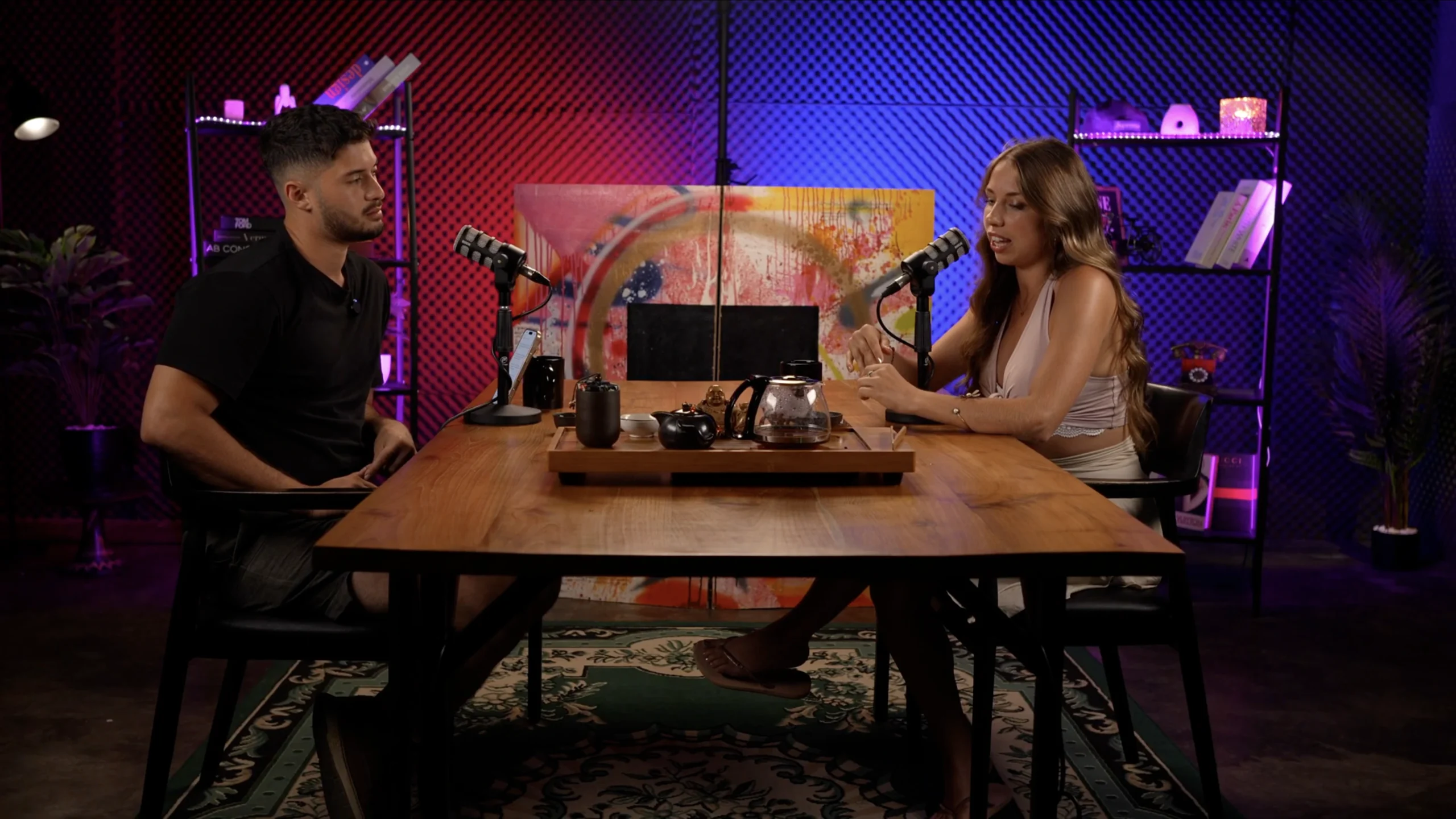
If you prefer to focus on the conversation, a podcast studio in Bali provides a pre-equipped room with cameras and microphones ready to use, allowing you to enter and start recording. Our current prices are openly available for reference if you are considering purchasing your own equipment.
Benefits of Podcasting That Actually Hold Up
1. Trust that scales
An hour of hearing you think out loud accomplishes something a landing page cannot. Listeners who reach your sales page after multiple episodes are already familiar with your approach.
2. Access to people
Guest invitations get replies from people who ignore pitches. Even if the episode performs modestly, the relationship often outlives it.
3. One recording, many assets
Repurposing is where podcasting quietly pays for itself. A single session can produce the audio episode, a YouTube upload, vertical clips, quote cards, a transcript-based blog post, and newsletter material. If you already do video production, recording the podcast on camera costs almost nothing extra and roughly triples the output.
4. It fits into listeners' lives
Most listening occurs concurrently with other activities, such as commuting, exercising, or cooking. This is why podcasts can maintain attention for about 40 minutes, whereas a video might lose the viewer's interest after just four minutes. However, complex and dense content is not well retained by listeners who are only half-attentive, so it's advisable to focus on one clear idea per episode and repeat it.
5. A format you can sustain
Compared with weekly filmed tutorials or daily short-form videos, a conversation is genuinely repeatable. You are not inventing a format every week - you are showing up and talking.
Where Podcasts Disappoint People
Balance matters, so the other side:
- Growth is slow and non-linear. Expect months of small numbers. Podcast apps have weak recommendation engines compared to social platforms.
- Attribution is murky. You will rarely know which episode produced a client. That makes it hard to justify to anyone who wants a dashboard.
- Sponsorship is a later-stage prize. Treat ad revenue as a possible bonus, not the plan.
- It rewards consistency over brilliance. A mediocre show published weekly for a year beats an excellent show published four times.
Building an Audience Without Gimmicks
The things that reliably move the needle are unglamorous:
- Publish the video version. YouTube and short-form clips do the discovery work that podcast apps will not.
- Answer every message. Early listeners who get a reply become the people who recommend you.
- Use guests' audiences. Send each guest ready-made clips and images. Most will share what is easy to share.
- Add transcripts. They make episodes searchable, accessible to deaf and hard-of-hearing listeners, and give you text to publish.
- Give people somewhere to go. A newsletter or community transforms anonymous downloads into a reachable audience.
Presentation remains more important than ever. Consistent cover art, good quality episode thumbnails, and authentic photos of the hosts give a new show a professional appearance. If you are establishing this visual identity from scratch, professional photography addresses artwork and thumbnails in one session.
How to Decide in 30 Days Instead of Guessing
Do not commit to a show. Commit to a test:
- Week 1: Write 10 episode titles. If it feels forced, stop here - you have saved yourself a year.
- Week 2: Record three pilot episodes with whatever gear you have. Do not publish them.
- Week 3: Listen back to the recordings. Ask five people from your target audience for honest feedback.
- Week 4: Decide. If you enjoyed the process and the material is genuinely good, publish all three episodes at once and consider moving to a professional recording studio.
When audio quality begins to affect your audience numbers, it's time to step out of the bedroom studio. Renting a studio space with lighting for a batch day - four or five episodes recorded one after another - is generally more economical and quicker than setting up an equivalent environment at home.
The Verdict
In 2026, a podcast serves well as a business and relationship tool, but is unlikely to be a profitable lottery ticket. The costs are low, the software is free or affordable, and the audience continues to expand. What is lacking is consistent effort and a clear purpose for the show.
If you can specify your audience, commit to a season, and turn your recordings into a week's worth of content from one hour, the arithmetic checks out. Otherwise, use the 30-day trial to figure this out cost-effectively - that outcome is also a win.