


AI Does the Labor. Not the Judgment.
According to Wyzowl’s State of Video Marketing report, 63% of video marketers used AI tools to help create or edit video in 2026 — up from 51% the year before. That’s a meaningful jump in a single year.
But the adoption number isn’t the story. The more interesting question is what people are actually handing to the AI — and what they’re keeping for themselves.
91% of businesses now use video. Of those, 63% use AI tools somewhere in the process. The remaining gap — the part AI hasn’t closed — is pacing, story, and judgment calls. That gap is where this article lives.
What 63% adoption actually tells us
It doesn’t mean AI has replaced editors. It means the repetitive end of the editing workflow has found a cheaper, faster operator. The creative end hasn’t moved — not because the tools aren’t improving, but because “creative end” isn’t really a technical problem. It’s a taste problem, and taste isn’t something you can prompt your way into.
Adoption numbers like this tend to get read as a threat or a verdict. They’re neither. They’re a division-of-labor update.
What AI handles well — and what it doesn’t
AI tools are genuinely good at:
- Silence removal
- Transcript-based rough cuts
- Noise reduction
- First-pass assembly from raw footage
They are not yet good at:
- Pacing decisions
- Emotional arc
- Knowing when to hold a shot a beat longer than the transcript suggests you should
That second list is the part that makes an edit feel like something a person made, rather than something a script assembled. It’s also the part that’s hardest to describe, which is exactly why it’s hard to automate — you can’t specify a rule for “this cut feels earned” the way you can specify a rule for “remove silences longer than 0.4 seconds.”
Why clean source footage matters more, not less
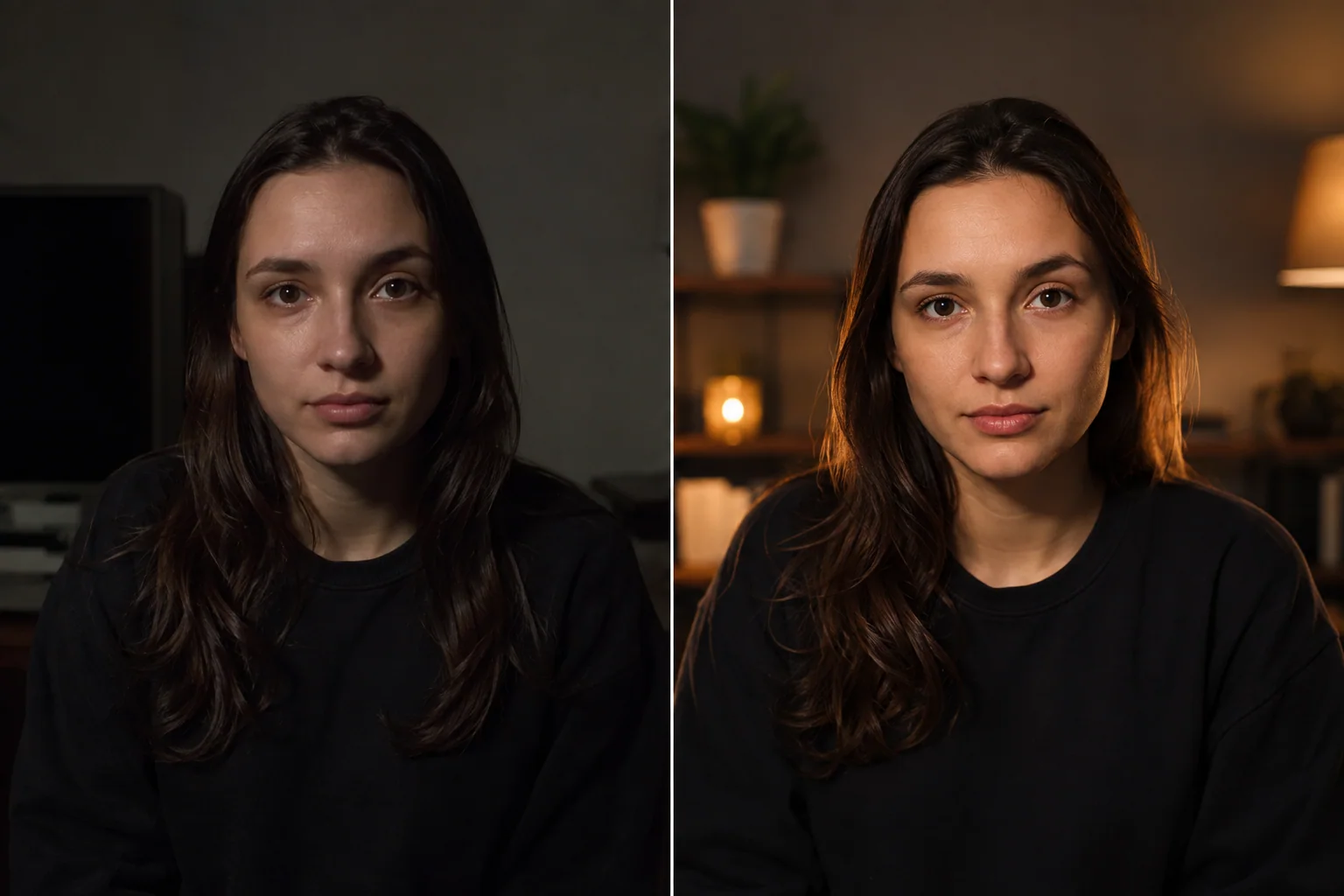
There’s a counterintuitive effect here: AI tools don’t make sloppy footage forgivable — they make it more expensive. These tools work fast and accurately on clean, consistent input. Feed them noisy audio or shaky framing, and the tools don’t quietly compensate; they slow down and introduce new errors on top of the old ones.
In other words, AI raises the floor on clean footage and does very little for messy footage. If anything, it widens the gap between a well-shot session and a rushed one.
How to actually split the workflow
A practical division of labor looks something like this:
- Hand to AI: silence removal, noise cleanup, rough assembly, transcript-based first cuts.
- Keep human: pacing, structure, emotional beats, the final judgment call on what stays and what goes.
- Sequence it so the tools work with you: let AI do the mechanical pass first, so a human editor is spending their attention on decisions instead of drudgery — not the other way around.
That order matters. Using AI to make the creative calls and a human to clean up afterward is the same division of labor, backwards.
AI is very good at the parts of editing that feel like labor. It is not yet good at the parts that feel like taste.
The takeaway
AI is very good at the parts of editing that feel like labor. It is not yet good at the parts that feel like taste. The 63% adoption figure isn’t evidence that editing is being automated — it’s evidence that the boring half of editing finally has a machine for it, which frees up the human half to do the part that actually required a human in the first place.