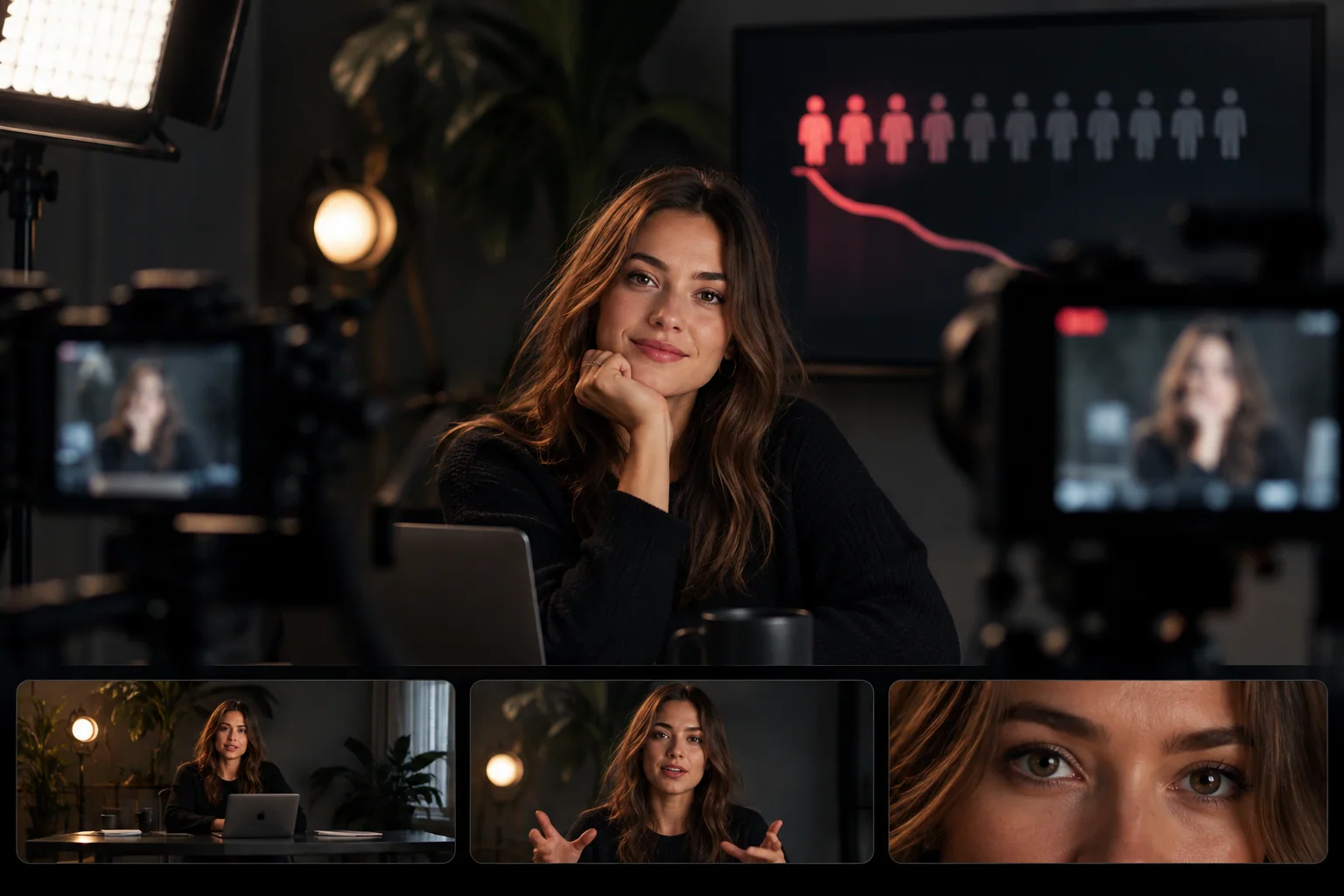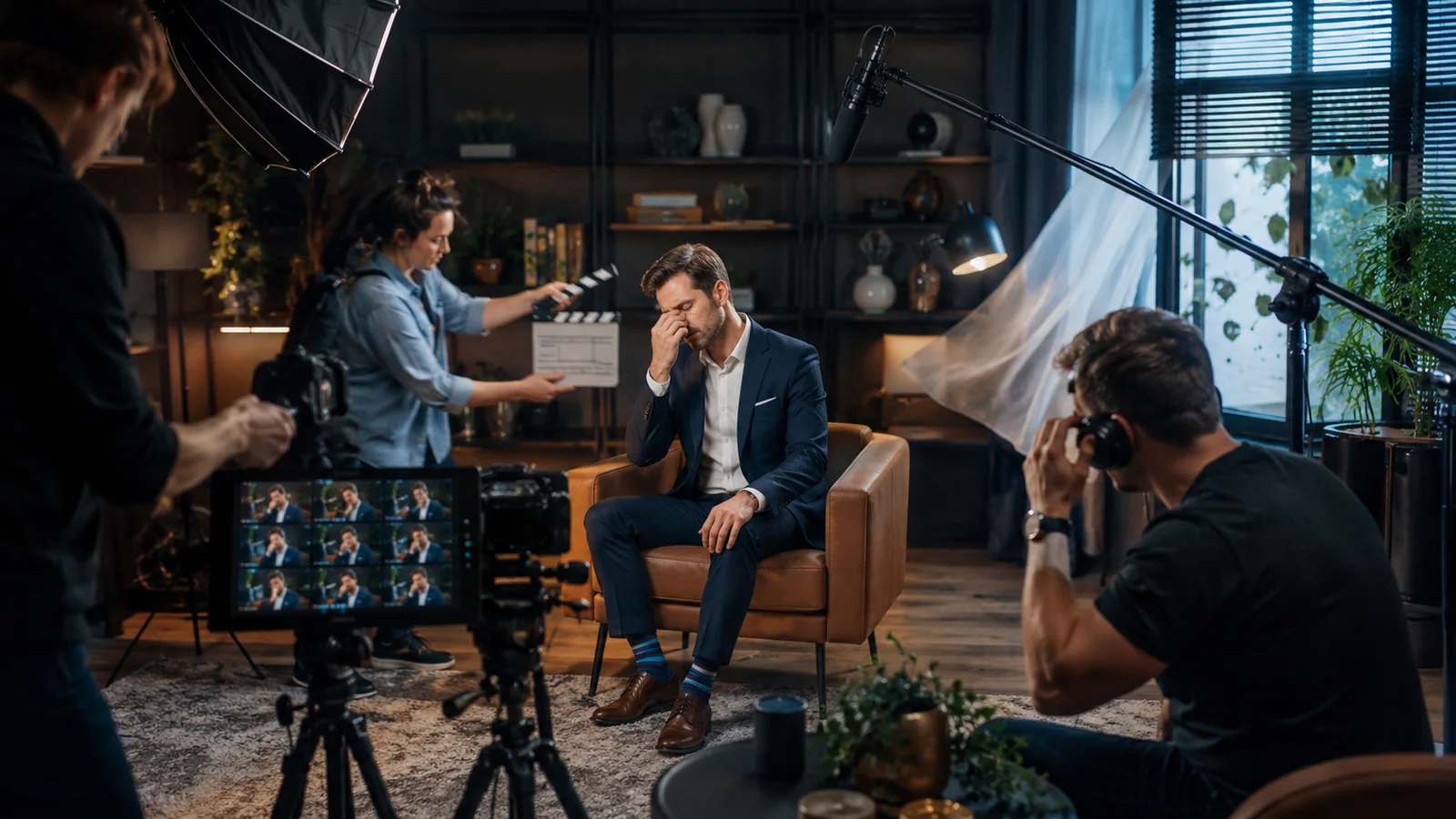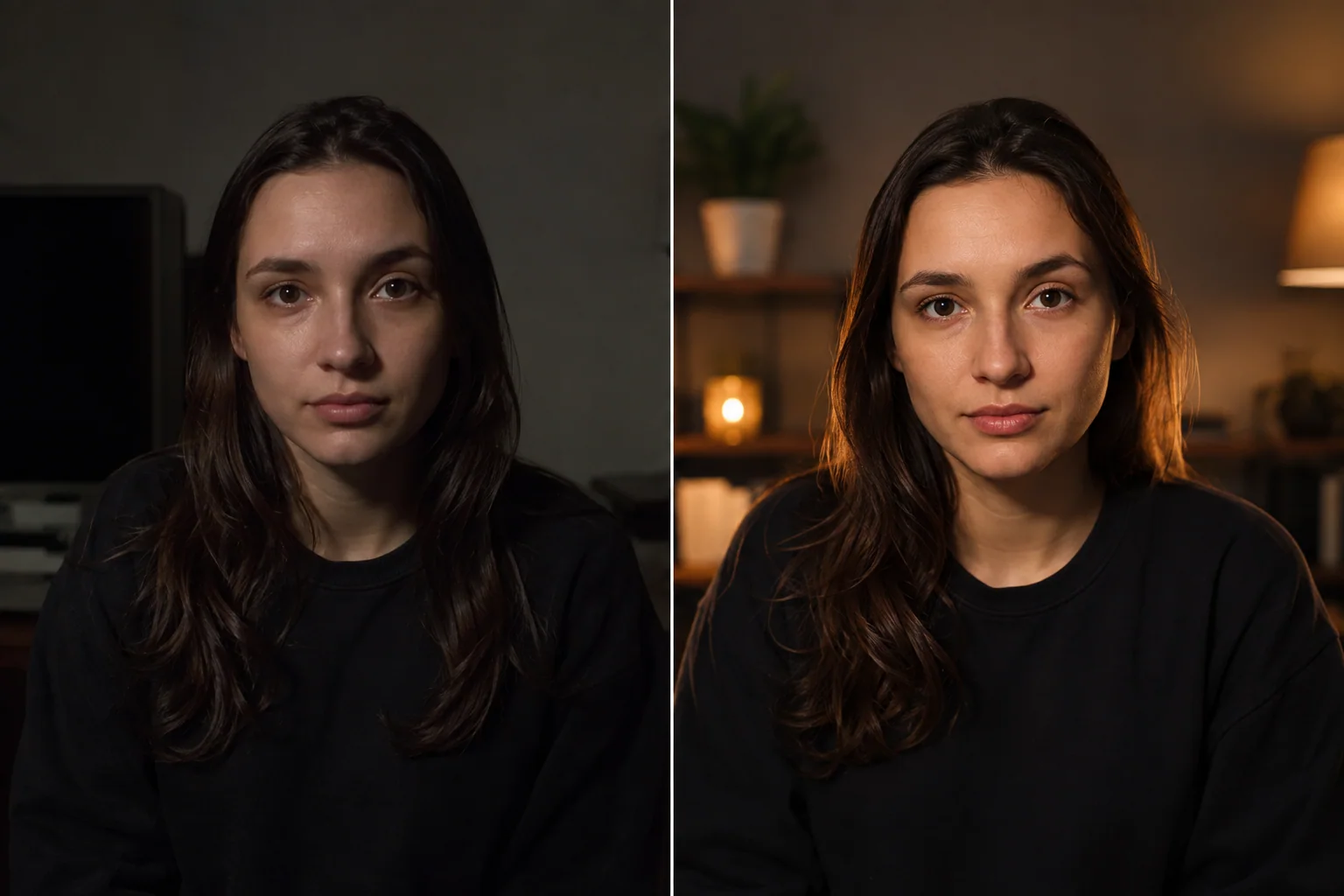


Podcasting has gone from a hobbyist medium to one of the most influential channels in modern media. The biggest shows in the world rival television networks in reach, and even niche podcasts can build audiences that drive real business outcomes — clients, leads, partnerships, and book deals. But audiences have also become more discerning. The “two friends with USB mics recording in a bedroom” sound that defined early podcasting no longer cuts it. Listeners expect broadcast-quality audio, and they leave the moment they don’t get it.
That’s why we built a dedicated podcast studio at Villo Studio in Canggu, Bali. Whether you’re launching your first episode, recording a guest interview while travelling through Bali, or producing a long-running show that needs a consistent home base, our studio gives you the gear, the room, and the team to sound like a top-tier production. This guide walks through everything we offer and how to plan a recording session that delivers.
1. Why Recording in a Real Studio Changes Everything
Most aspiring podcasters underestimate how much room and gear affect the final product. They focus on content and assume the audio will “be fine” — and then wonder why their show isn’t growing while a competing show with similar content keeps gaining listeners.
Audio quality is not a minor factor. It’s one of the strongest signals listeners use to decide whether a show is worth their time. Studies of podcast retention consistently show that poor audio is one of the top three reasons people stop listening within the first 60 seconds.
What a proper podcast studio delivers:
Acoustic environment: a room treated specifically for speech recording — no echo, no flutter, no reflections muddying the audio.
Professional microphones: broadcast-grade mics that capture rich, full vocals while rejecting background noise.
Signal chain quality: proper pre-amps, audio interfaces, and processing that elevate every voice that passes through them.
Multi-channel recording: each guest recorded on a separate channel, giving editors complete control in post-production.
Predictable consistency: the same sound every episode, building the audio identity your audience recognises.
Time efficiency: no troubleshooting gear, no wrestling with software — you walk in, sit down, and record.
2. The Villo Podcast Room
The room is the foundation of podcast audio. Even the best microphone sounds amateur in a bad room. Our podcast space is built around speech recording specifically:
Acoustic treatment: walls, ceiling, and floor treated to absorb reflections and eliminate flutter echo. Speech sits cleanly without the “recording in a living room” sound.
Low ambient noise floor: isolated from external sound sources, with HVAC and electrical noise controlled.
Flexible seating configurations: setups for solo recording, two-host interview, three-host roundtable, or four-person panel.
Eye-level guest positioning: seating designed so guests feel comfortable, with sightlines that make conversations flow naturally.
Branded visual design: if you’re recording video podcast content, the room is built to look intentional on camera — not just a recording booth filmed from one angle.
Climate control: air conditioning critical in Bali’s humidity, with noise levels low enough to not interfere with audio.
3. Microphones and Audio Chain
The microphone is the single piece of gear that affects podcast sound most directly. We use the same microphones the top professional podcasts use:
Shure SM7B: the iconic broadcast microphone used by Joe Rogan, the BBC, and countless major shows. Dynamic, directional, rejects room noise, sounds rich and full on virtually any voice.
Electro-Voice RE20: the classic radio broadcast microphone. Similar character to the SM7B but with its own signature richness.
Rode PodMic: alternative dynamic mics for hosts and guests who prefer a different tonal character.
Sennheiser MD 421: for shows with a more classic radio sound.
Lavalier options: Sennheiser and DPA lavaliers for guests who prefer not to be on a boom microphone or who’ll be moving during recording.
Audio signal chain:
Pre-amps: professional pre-amps with the headroom and clean gain that broadcast mics like the SM7B require.
Interface: RodeCaster Pro II for shows that want all-in-one workflow, or Universal Audio interfaces for shows wanting cleaner conversion and studio-grade processing.
Real-time processing: compression, EQ, noise gates, and de-essing applied during recording so the raw audio sounds polished.
Multi-track recording: every microphone recorded as a separate file, giving editors complete flexibility in post.
Monitoring: professional headphones for every participant — you hear yourself and your guests cleanly during recording, catching problems live.
4. Video Podcast Production
The biggest podcasts in the world are also video shows now. YouTube has become a top podcast platform, Spotify rolled out native video podcast support, and short-form clips drive most podcast discovery. If you’re not also producing video, you’re leaving most of the growth potential on the table.
Our video podcast setup:
Multi-camera coverage: dedicated cameras for each guest position, plus a wide shot of the full table.
Cinematic lighting: proper key, fill, and rim lighting on every participant so the video looks intentional rather than fluorescent-lit.
Professional cameras: Sony FX3 and FX30 cinema cameras with the dynamic range and low-light performance that flatters every face.
Live switching: optional live multi-camera direction during recording for shows that want to publish video with minimal editing.
Branded backgrounds: set design that reinforces show identity — branded backdrops, custom signage, or styled environments matching the show’s visual direction.
Vertical clip cameras: dedicated vertical-framed cameras capturing each guest for native short-form clip distribution.
Short-form clipping built in: our editors flag clip-worthy moments during recording and have shorts ready for distribution alongside the long-form episode.
5. Solo, Interview, and Panel Configurations
Different podcast formats need different setups. We can configure the studio for whichever format your show uses:
Solo recording: single-host monologue shows, narrative storytelling, or audiobook recording. Streamlined setup focused on a single broadcast-quality vocal sound.
Two-host interview: the classic interview format. Two-mic setup with cameras positioned for the over-shoulder feel that defines modern interview shows.
Roundtable (3–4 people): panel discussions, group shows, or interview formats with multiple hosts. Multi-mic setup with cameras covering each participant.
Remote guest integration: in-studio host with remote guest joining via Zoom, Riverside.fm, or SquadCast — with broadcast-quality audio and video for the remote participant.
Live audience podcasts: for shows that want to record in front of an audience, we can configure for small live audiences with appropriate audio isolation.
For shows recording weekly or biweekly, we save your show’s specific setup so every session starts faster.
6. Remote Guest Recording
One of the most valuable upgrades to a podcast is being able to interview guests who aren’t physically present. Done badly, this destroys the show’s audio quality. Done well, it expands your guest pool to anyone in the world.
How we handle remote guests:
Riverside.fm or SquadCast: double-end recording where each guest’s audio is captured locally on their device and uploaded separately, giving you broadcast-quality audio regardless of internet quality.
Pre-call coordination: we coach remote guests in advance on microphone setup, room treatment, and lighting so they sound and look as professional as possible.
Live editing of remote audio: if a guest has audio issues, our team works on cleanup in real-time so problems don’t ruin the episode.
Video integration: remote guest video integrated into the multi-camera mix for full video podcast production.
This is particularly valuable for podcasts focused on industries where the most interesting guests are in different time zones — tech, entertainment, finance, and international business in particular.
7. Editing and Post-Production
The recording is the raw material. Editing is where the show actually gets made. We handle every level of post-production:
Basic editing: removing dead air, “ums,” major mistakes, and obvious sound issues. Suitable for conversational shows where natural flow matters more than tight pacing.
Standard podcast editing: tighter pacing, content restructuring where needed, music and intro/outro integration, full audio mix and master.
Advanced editing: narrative restructuring, sound design, music scoring, sound effects, and full audio production. This is what high-profile shows actually pay for.
Audio mastering: loudness normalisation to podcast platform standards (-16 LUFS), final compression, and broadcast-grade finishing.
Show notes and transcription: AI-assisted transcription with human review, formatted show notes ready for upload.
Chapter markers: structured chapter points for episodes, making content more navigable on podcast platforms.
For ongoing shows, we develop a show-specific style — your music cues, your transitions, your pacing — so every episode feels like part of the same series.
8. Short-Form Clip Production
The single biggest growth lever for modern podcasts isn’t longer episodes or better SEO — it’s short-form clip distribution. The shows growing fastest on social media are the ones turning every episode into 10–25 short clips for TikTok, Reels, Shorts, and Twitter.
Our short-form clipping service:
Clip identification: our editors mark high-engagement moments during the recording — the surprising answers, the emotional moments, the quotable lines.
Vertical reframing: proper 9:16 reframing with speaker tracking so the right person is on screen at the right moment.
Captions and graphics: styled captions, key-word emphasis, branded lower thirds, and intro hooks.
Platform-specific exports: different cuts optimised for TikTok versus YouTube Shorts versus Reels.
Hook engineering: the first 1.5 seconds of every clip designed to stop the scroll.
A typical 60-minute episode yields 8–15 strong short-form clips, each with the potential to bring new listeners back to the full show. Over time, this is what scales a podcast from a few hundred listeners to hundreds of thousands.
9. Publishing and Distribution
For shows that want full-service production, we handle the entire pipeline from recording through publication:
Publishing platforms: upload to Apple Podcasts, Spotify, YouTube, Google Podcasts, Amazon Music, and other major platforms.
RSS feed management: setting up and maintaining the technical infrastructure podcasts run on.
Show artwork: branded podcast cover art, episode-specific artwork, and visual identity development.
Episode descriptions and metadata: SEO-optimised descriptions, structured metadata, and platform-specific formatting.
Analytics tracking: integrated analytics so you understand who’s listening, how long they stay, and which episodes perform.
Social distribution: short-form clips distributed across social channels, with engagement tracking.
This level of service makes sense for shows being run as serious business assets — by founders building audiences, brands using podcasts as marketing channels, or media companies launching new shows.
10. Pricing and Booking Options
We offer flexible booking options depending on the show’s stage and frequency:
One-off sessions: single recording session with optional editing. Ideal for testing the studio, recording one-time guest episodes, or producing single-episode content.
Episode packages: recording plus full editing and post-production delivered as completed episodes ready to publish.
Monthly retainers: for shows recording regularly, monthly retainers offer preferred pricing, priority scheduling, and consistent crew across episodes.
Full-service production: end-to-end show management — recording, editing, publishing, social distribution, and ongoing strategy.
Guest recording sessions: for podcast guests visiting Bali, we offer dedicated single-session recording with clean audio delivered to the host show.
Specific pricing depends on configuration — solo vs multi-host, audio-only vs video, basic vs full-service editing. Detailed proposals available at villostudio.com.
11. Planning a Great Recording Session
The best podcasts aren’t accidents. Here’s what we recommend for getting the most out of a session:
1. Prepare your guest: brief them on the show, the topics, and the format. Surprise them creatively in the conversation, but never with the basics.
2. Have a flexible outline: 5–10 topic areas with potential questions, not a rigid script. The best moments happen when the host can follow an unexpected thread.
3. Record longer than you need: a 90-minute recording edits down to a tight 60-minute episode. Trying to record exactly the final length usually produces something padded.
4. Build in production time: editing, mixing, mastering, clip extraction, and publishing all take time. Don’t record on Monday and expect to publish Tuesday.
5. Batch when possible: recording two or three episodes in a single session is much more efficient than weekly studio visits.
How to Book Your Recording Session
Getting started is simple:
1. Initial enquiry: reach out through villostudio.com with your show details, format, and scheduling preferences.
2. Strategy call: we discuss format, frequency, and the level of production support you need.
3. Test session: for new shows, we recommend a test recording so we can dial in the sound and confirm the format before committing to a full series.
4. Recurring schedule: for ongoing shows, we lock in recording times that work for your schedule and guest availability.
5. Production pipeline: once running, you record, we edit and produce, and finished episodes deliver on agreed timeline.
Ready to Record?
Whether you’re launching your first podcast, scaling an existing show, or bringing a high-profile guest into Bali for a one-off recording — Villo Studio gives you the room, the gear, and the team to produce content that competes at the highest level. We’ve worked with first-time hosts and established shows, solo creators and brand-backed productions, audio-only podcasts and full video shows distributed across major platforms.
Visit villostudio.com to book your session, tour the studio, or discuss a full-service podcast production for your brand.
Need professional video content in Bali?
Villo Studio — a video production studio in Canggu, Bali. We help businesses create podcasts, social media videos, product photography, and creative content.
villostudio.com · Canggu, Bali
Ready to record? Book our Villo’s podcast studio in Bali — 4 microphones, 3 cameras, operator and lighting included. Walk in with a topic, walk out with a ready episode.