


Somewhere in your feed right now, a competitor with a worse offer than yours is getting more replies than you. Not because their thinking is sharper. Because they’re on camera and you’re not.
That sounds like a marketing line. It’s closer to a math problem.The math
Four in five people on LinkedIn are there in a decision-making capacity — not scrolling for entertainment, but reading with a budget in mind. That’s the whole draw of the platform: you’re not shouting into a crowd, you’re talking to a room full of people who can actually say yes to something.
The problem is what you’re saying to them. A text post — even a good one, even one with a sharp hook and clean line breaks — gets roughly a fifth of the engagement a video does. Not because the writing is worse. Because the format is quietly losing before it starts.
Why the room goes quiet for text
LinkedIn’s algorithm isn’t being coy about this. Video watch time is up 36% year over year. Impressions on video are up 73% over the same stretch. The platform is actively pushing the format toward more feeds, more often — which means every month you stay text-only, the gap between your reach and a video-first competitor’s gets a little wider, not a little narrower.
And it’s not just that video wins overall. Short video wins hardest. Clips under 60 seconds get about 40% more reach than longer ones. The algorithm isn’t rewarding effort. It’s rewarding a specific, narrow behavior: someone hitting play and staying to the end.
What a text post actually signals
Here’s the uncomfortable part. On a platform built for buyers, a static post is a resume — a claim about who you are, delivered at arm’s length, easy to scroll past. A video is a pitch. It’s you, in real time, making the case yourself. One asks for trust on your word. The other builds it in thirty seconds flat.
If you’re a consultant, a coach, or a founder, that distinction isn’t cosmetic. Trust is the entire product before there’s a contract. And right now, the format doing the most work to build it is the one most people in your position still aren’t using.
What’s actually stopping most people
It’s rarely the idea. Most business owners have a dozen things worth saying on camera. What stops them is the setup — bad lighting, echoey audio, the ten failed takes before something feels postable. So the video gets planned, then postponed, then quietly dropped for another safe text post.
That’s a production problem, not a content problem. And it’s the one part of this that’s actually easy to fix.
The fix
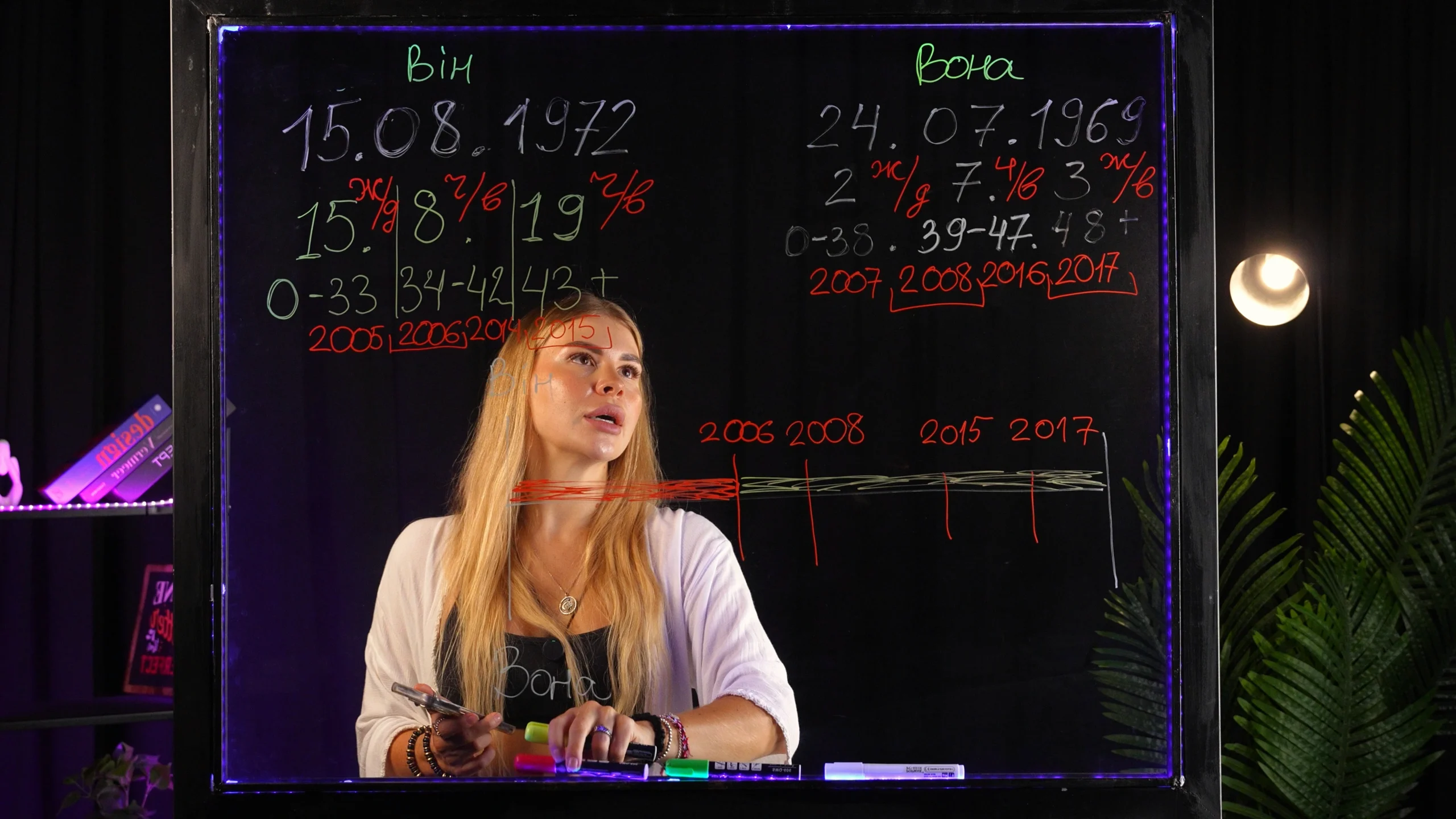
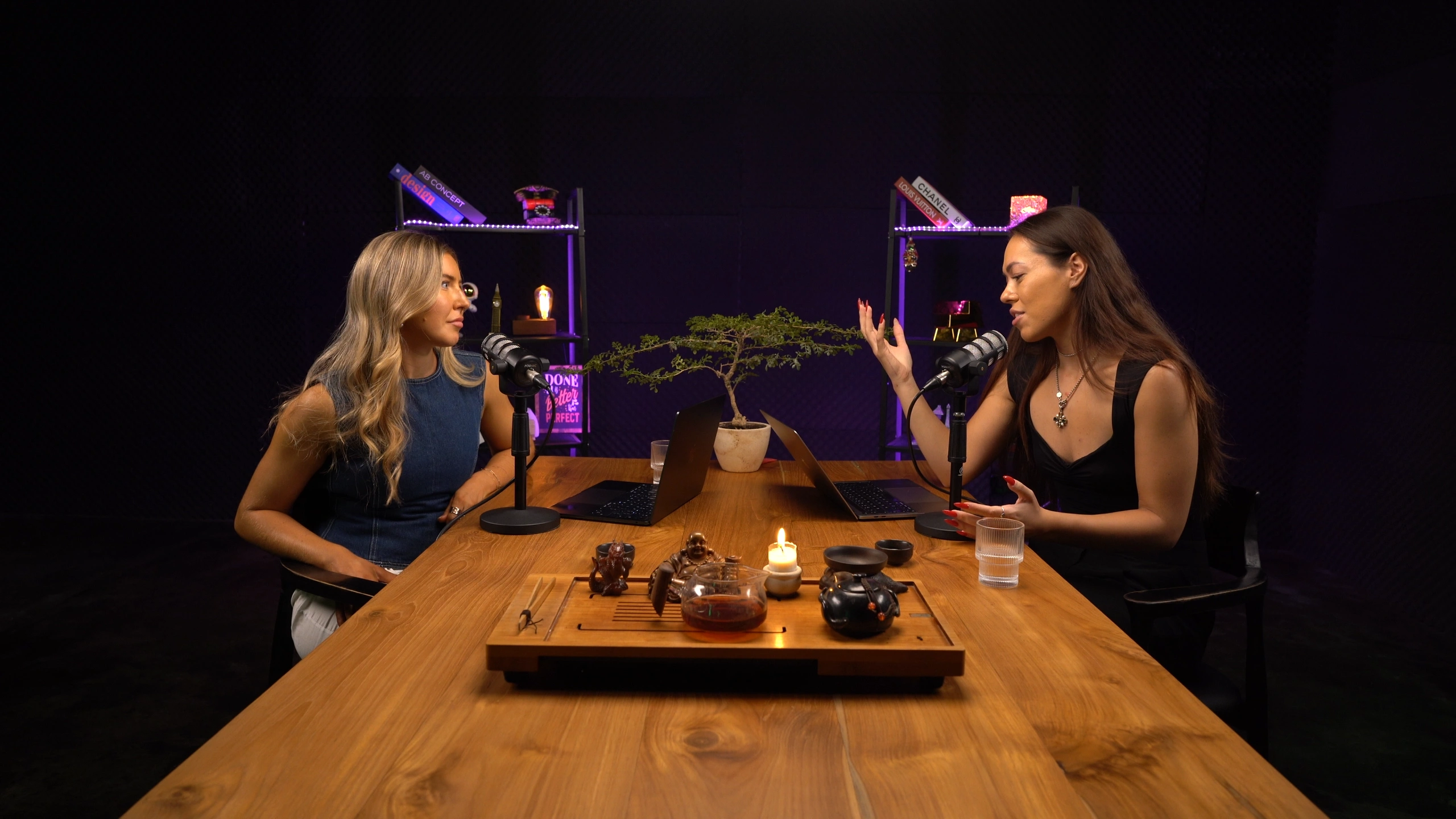
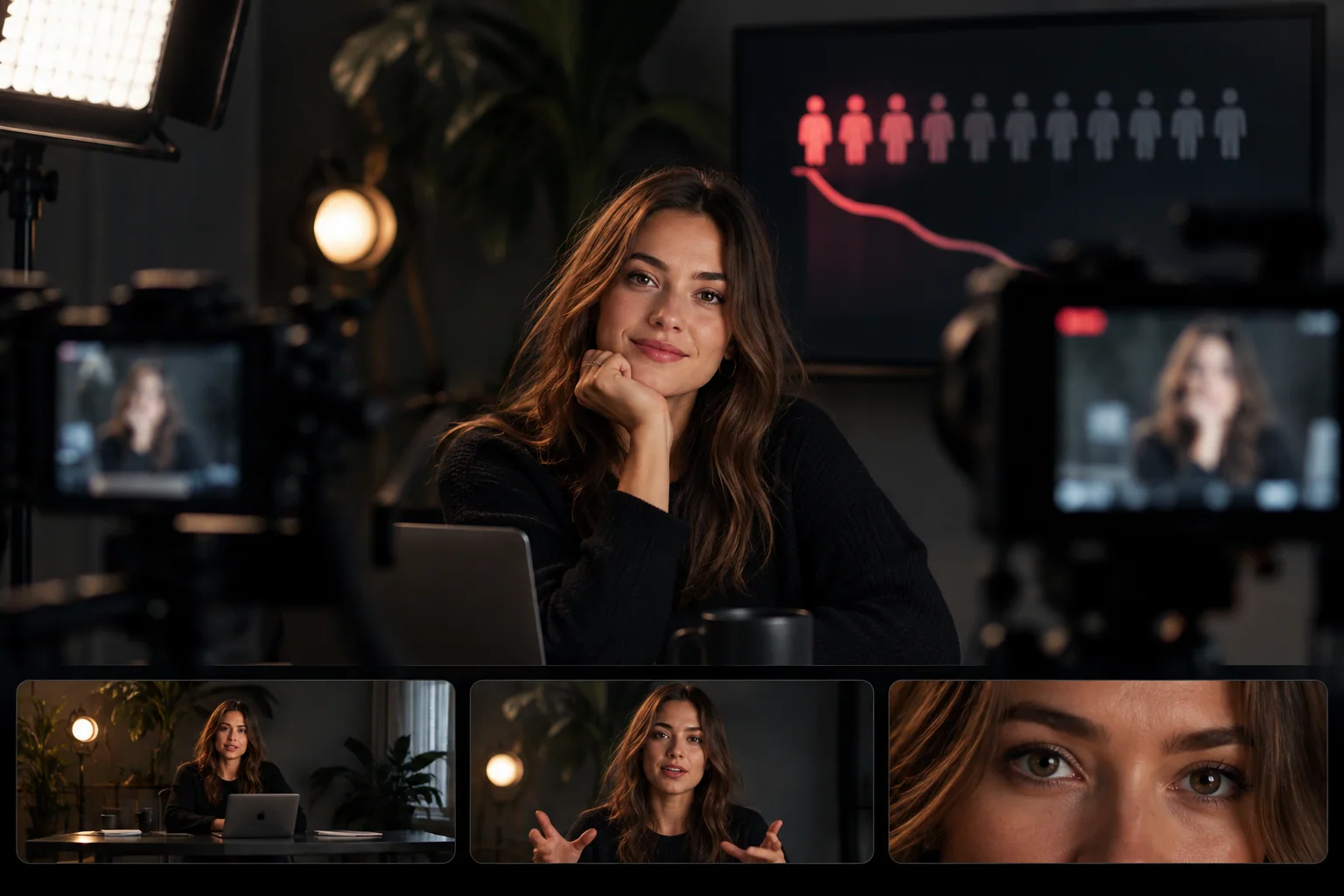
Villo Studio runs exactly this kind of session — short LinkedIn talking-head clips, sales videos, thought leadership pieces, shot in a professional setup that makes you look like the person worth trusting from the first frame. No lighting to fight, no audio to apologize for. Most clients walk in once and walk out with a month of content, recorded in a single afternoon.
The data says video is where the room is. The only real question left is whether you’re in it.
Book a session at Villo Studio →
Sources as provided: LinkedIn Marketing Solutions; SocialPilot LinkedIn Statistics 2026; Socialinsider 2025 LinkedIn Benchmarks (1M+ posts analysed); Hootsuite Social Trends 2026; Sprout Social 2026 Social Media Content Strategy Report. Figures carried over from the source campaign brief, not independently re-verified.