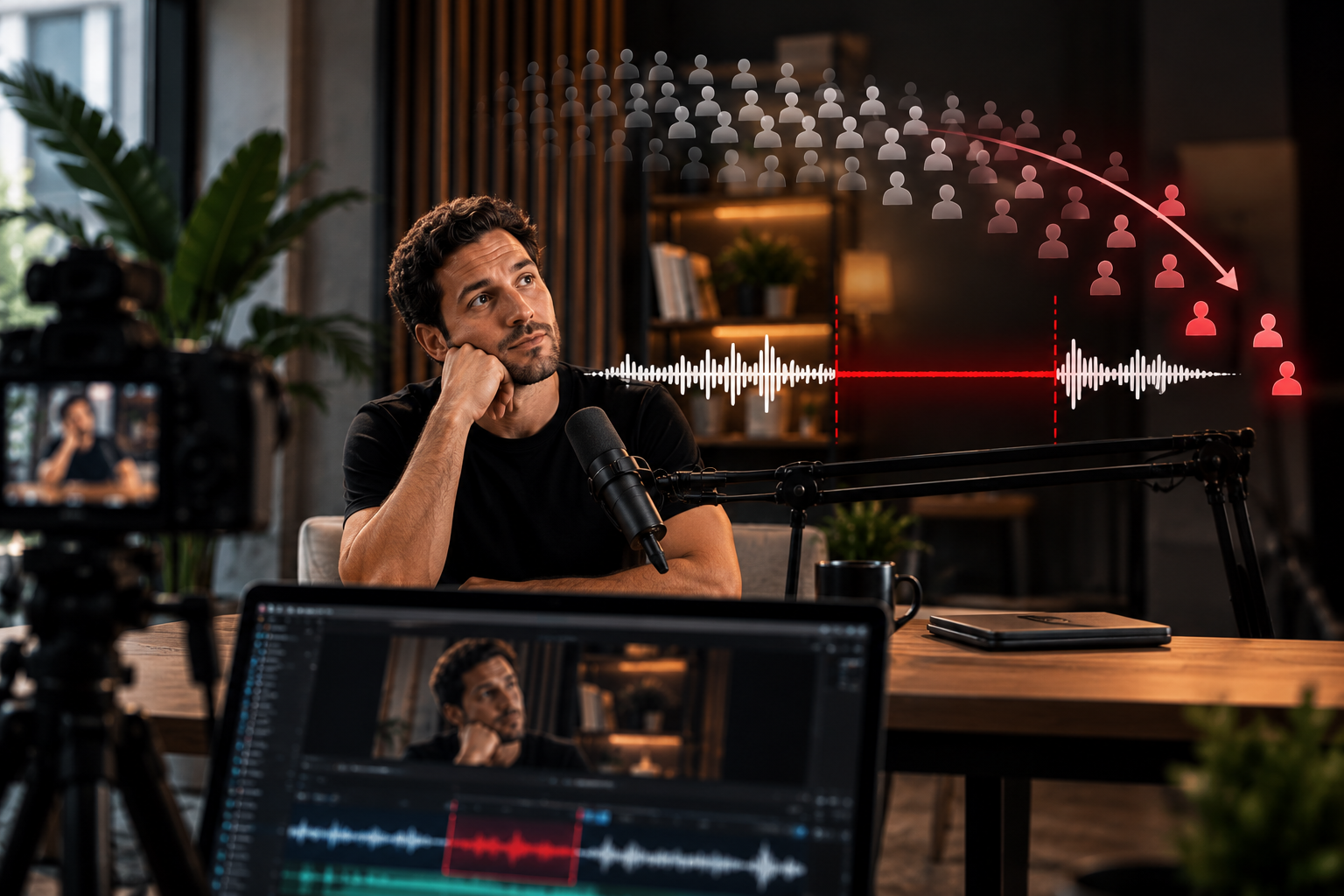


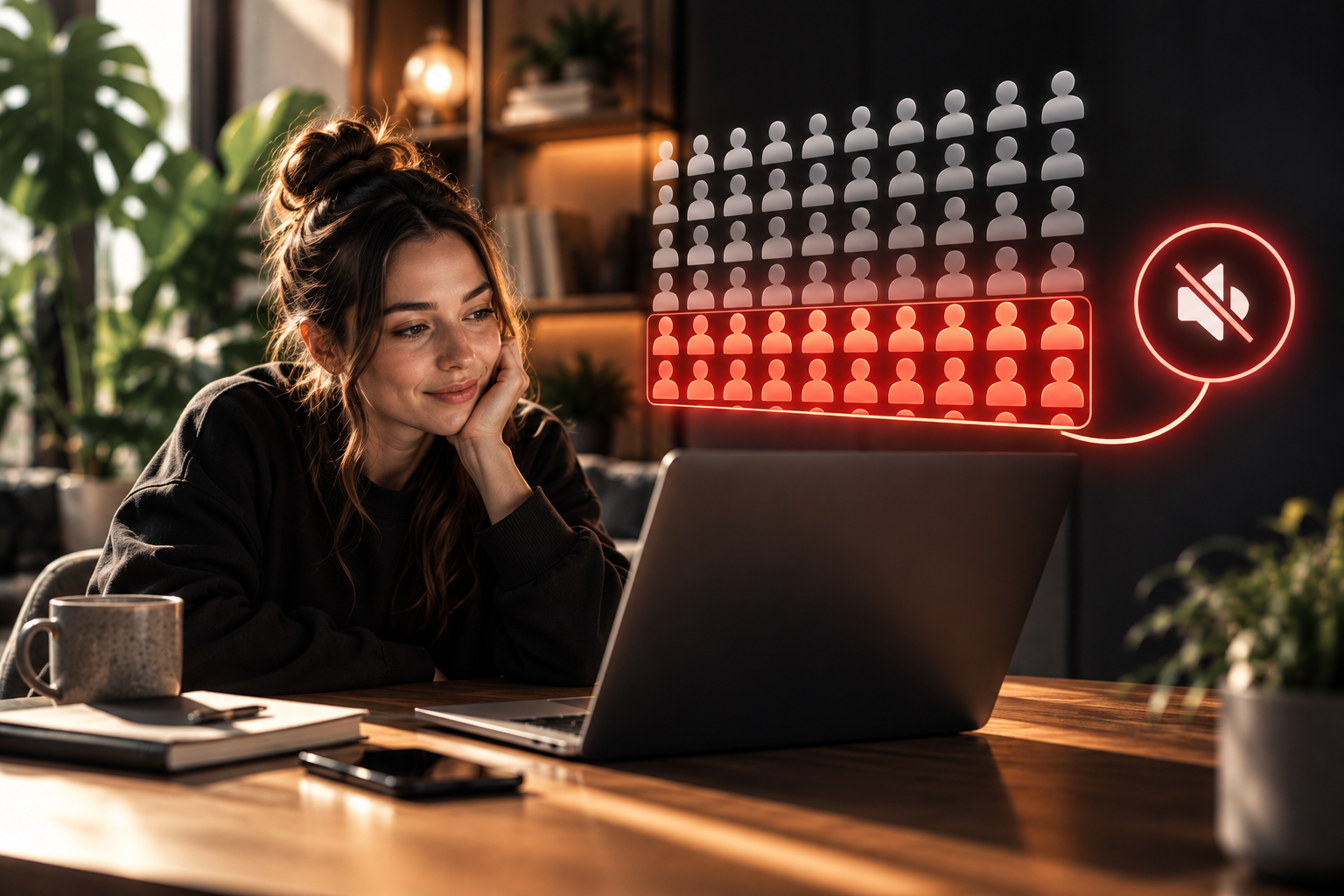
Think about where people actually watch video: a queue, a train, a waiting room, an office, a bed next to someone who's asleep. In many of those moments, the sound is off. If your message only works when the audio is playing, you're quietly shrinking your audience before anyone has judged your content.
What the Research Says
The most-cited data on this comes from a 2019 survey by Verizon Media and Publicis Media of more than 5,600 US consumers. Its headline findings:
- About 69% of respondents said they watch video with the sound off in public places, and about 25% do so even in private places.
- About 80% said they're more likely to watch an entire video when captions are available.
- About 80% of the people who use captions don't have a hearing impairment.
A fair caveat: this was a self-reported survey of US consumers in 2019, so it tells you what people say they do and prefer, not what the retention graph on your own channel will show. Treat it as a strong directional signal rather than a guarantee. Platforms and audiences have shifted since, so your own analytics are the final word.
A Rough Illustration
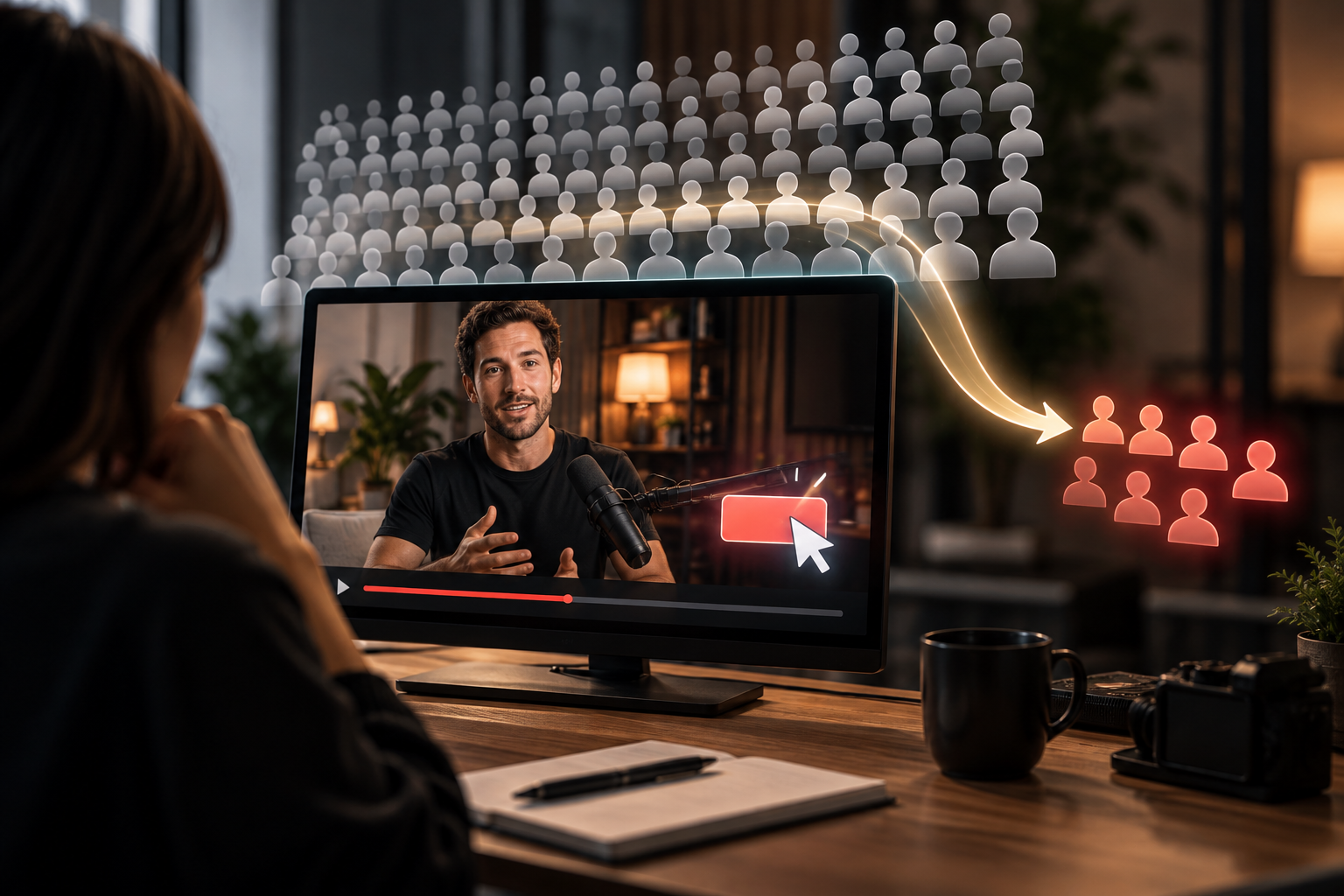
Imagine 100 people watching your video in public places. If they behaved like the survey respondents, roughly 69 of them would be watching on mute. For those viewers, a video without captions or on-screen text is a video they can't follow. That's a large share of your potential audience lost to a production detail, not a content problem.
Captions Are a Reach Tool, Not Just a Compliance Box
Captions are essential for accessibility, and that alone justifies them: viewers with hearing loss depend on them. But the survey shows something more: most people who use captions aren't hearing impaired. They're commuters, multitaskers, non-native speakers, and people in quiet places. Captions serve all of them, which makes them one of the simplest ways to widen who can understand and finish your video.
How to Make Captions Actually Work
- Accuracy first. Wrong words break trust faster than no captions at all. Check names and technical terms.
- Tight timing. Text should land with the speech, not trail behind it.
- Short, readable lines. One or two lines at a time, large enough to read on a phone, with strong contrast against the picture.
- Respect the safe area. Keep text clear of platform buttons and interface overlays.
- Show the hook in text. Put your opening idea on screen in the first seconds, since that's when silent scrollers decide to stay.
- Style with restraint. Highlighting a key word helps; animating every word becomes noise.
Test It the Honest Way
Open your best video, turn the sound off, and watch it as a stranger would. If the message disappears, you know what to fix. For a more rigorous check, compare retention on captioned and uncaptioned videos in your own analytics.
Practical Takeaway
Design every video to work twice: once with sound, once without. Captions and clear on-screen text are how the silent half of your audience gets the same message as everyone else.
Captioning Built Into Your Session
Captioning shouldn't be a tedious extra step. At Villo Studio in Canggu, Bali, professional subtitling is part of our standard deliverables: styled, timed, and formatted so your message lands whether the sound is on or off, with a multi-camera recording and crew handling the footage behind it.
Book a session at Villo Studio →
Sources: Verizon Media and Publicis Media, Relationship of Video, Sound and Captions consumer study (2019), as reported by 3Play Media ("Verizon Media and Publicis Media Find Viewers Want Captions") and Forbes ("Verizon Media Says 69 Percent Of Consumers Watching Video With Sound Off", 2019).