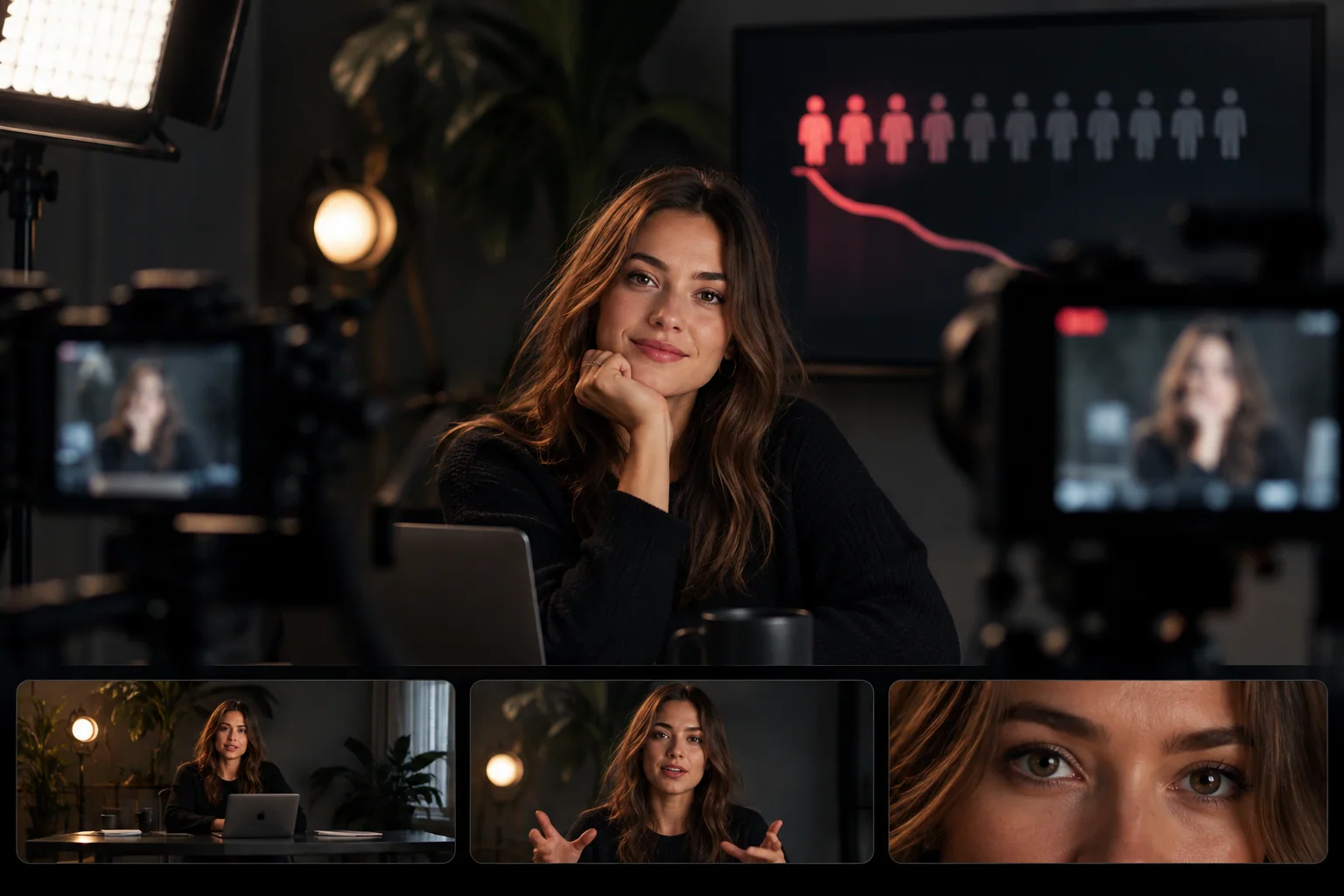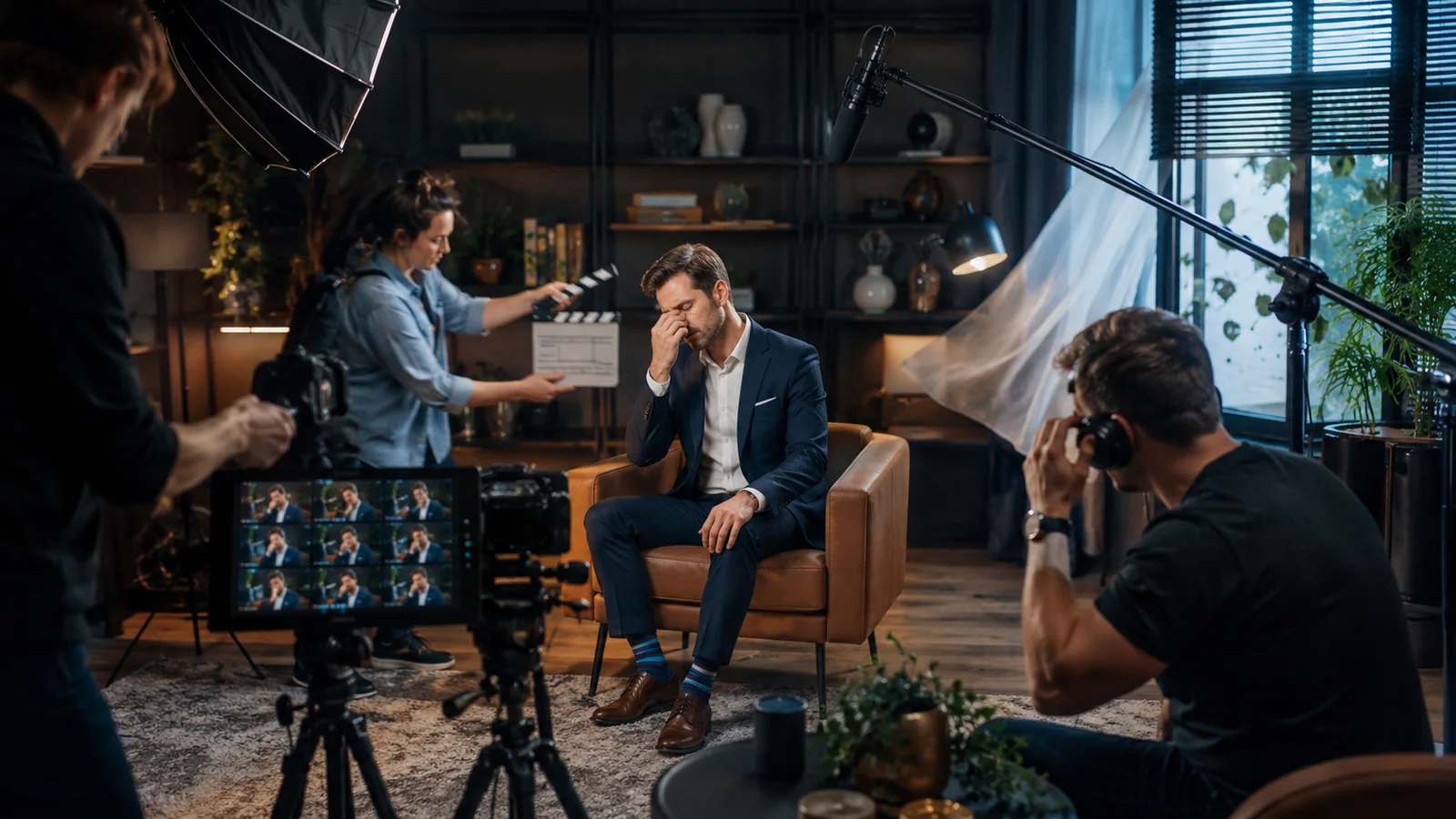


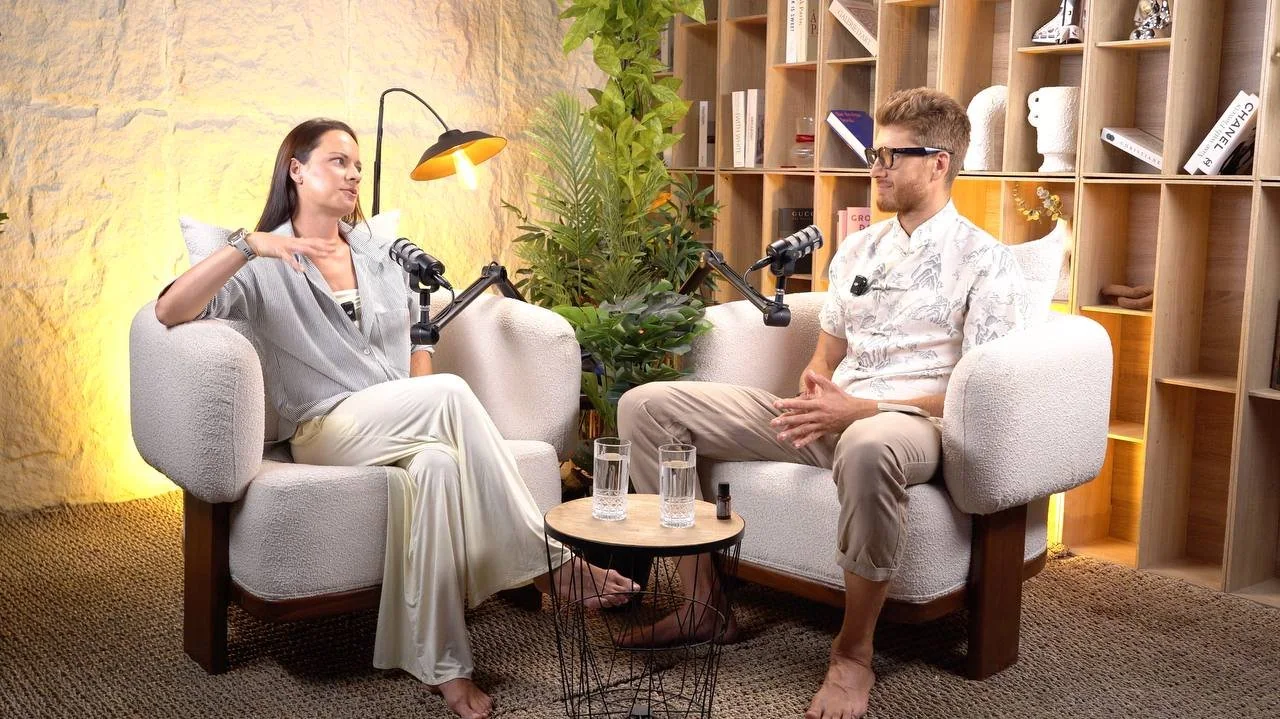
Podcasting has evolved far beyond audio-only content. Today, entrepreneurs, business owners, creators, coaches, consultants, and companies use video podcasts to build stronger relationships with their audiences.
Unlike audio, video allows viewers to connect through facial expressions, body language, and genuine conversations. A single recording session can also be repurposed into YouTube episodes, Instagram Reels, TikTok videos, YouTube Shorts, LinkedIn clips, and promotional content.
One of the first questions people ask before recording is:
How many cameras do I actually need?
Should you use one camera, two cameras, or invest in a three-camera setup?
There isn’t one correct answer. The ideal setup depends on your podcast format, number of speakers, publishing goals, editing style, and the type of audience you want to reach.
Why Does the Number of Cameras Matter?
The number of cameras affects much more than just appearance.
It influences:
- Viewer engagement
- Editing flexibility
- Production quality
- Visual storytelling
- Content repurposing opportunities
Changing camera angles keeps viewers interested during longer conversations. Instead of watching a single static shot for an hour, audiences experience a dynamic conversation that feels more natural and professional.
More camera angles also give editors greater creative freedom.
Recording with One Camera
A single-camera podcast is the simplest production setup.
The camera is usually placed directly in front of the speaker or positioned wide enough to capture everyone in the frame.
Best for
- Solo podcasts
- Educational content
- Personal branding
- Coaches
- Business advice
- Motivational talks
- Talking-head videos
- Short-form educational content
For creators speaking directly to the audience, one camera is often all that’s needed.
The focus stays on the message rather than the production.
Many successful YouTube creators still produce millions of views using only one camera because strong storytelling matters more than complicated equipment.
Advantages
- Simple production workflow
- Faster editing
- Lower production costs
- Consistent visual style
- Easier setup
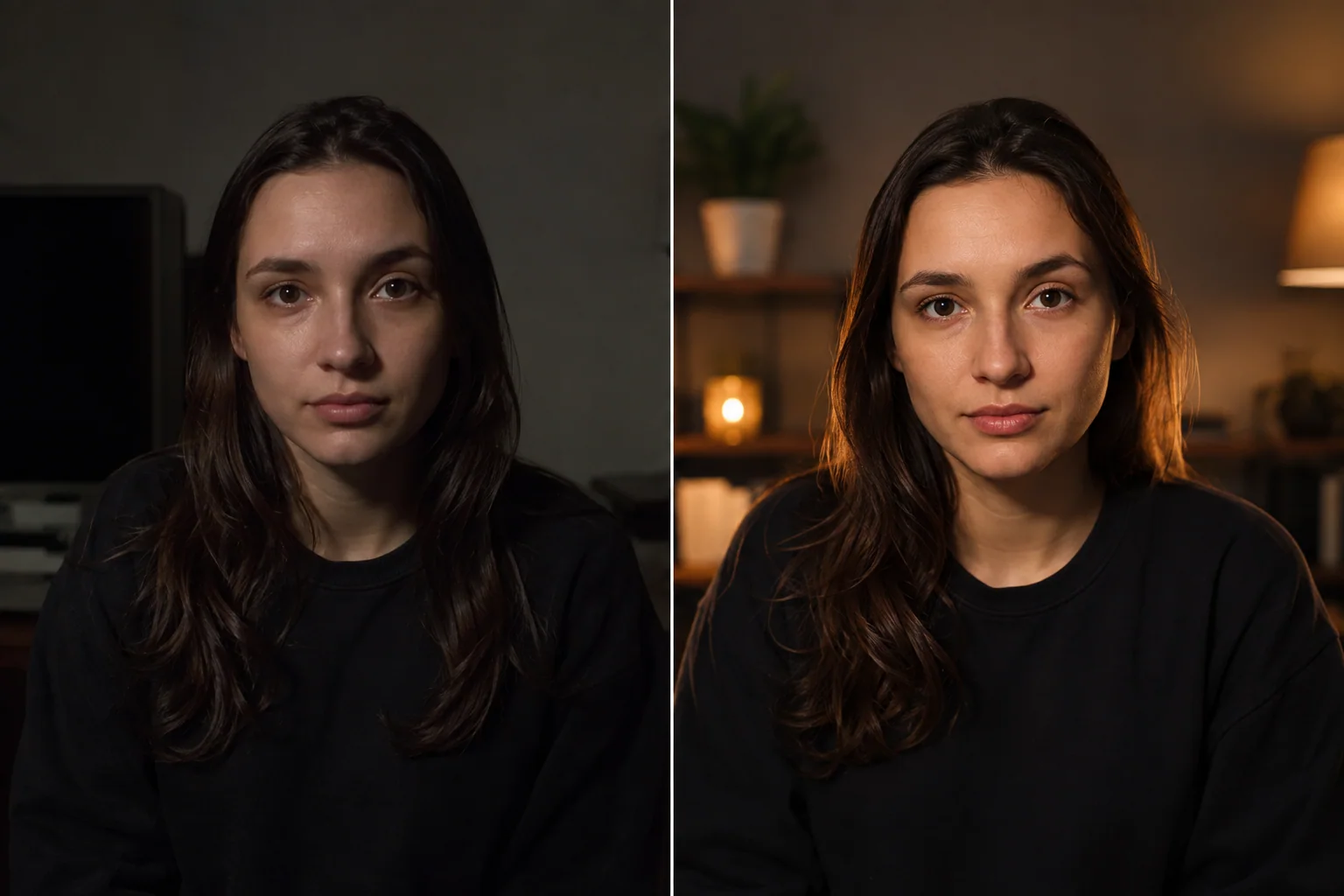
With good lighting, professional audio, and an attractive background, a one-camera podcast can look highly professional.
Limitations
- A static image may become repetitive during longer episodes.
- If two people share one frame, viewers may miss important facial expressions and reactions.
- Editors also have fewer creative options during post-production.
Recording with Two Cameras
Two cameras are considered the standard setup for interviews and conversations between two people.
Typically:
- Camera One focuses on the host.
- Camera Two focuses on the guest.
Another popular option combines one wide shot with one close-up camera.
Best for
- Interview podcasts
- Business conversations
- Educational discussions
- Client testimonials
- Company podcasts
- Personal branding interviews
- Industry experts
- Professional conversations
Each speaker receives individual screen time, making conversations easier to follow.
Instead of constantly watching both speakers in one frame, viewers naturally focus on whoever is speaking.
This creates a more engaging viewing experience.
Advantages
- Two cameras significantly improve production quality without making the workflow overly complex.
- Editors can switch between speakers naturally, creating better pacing throughout the episode.
- It also makes the conversation feel more cinematic and professional.
Limitations
- Without a dedicated wide shot, viewers may not fully appreciate the atmosphere of the studio.
- Proper camera placement becomes more important to maintain visual balance.
Recording with Three Cameras
Three-camera productions are commonly used by professional podcast studios, media companies, and businesses producing premium content.
The most common configuration is:
- Camera One — Host
- Camera Two — Guest
- Camera Three — Wide shot
The wide camera captures the entire studio, microphones, furniture, lighting, and interaction between participants.
Best for
- Professional podcasts
- Premium YouTube channels
- Business podcasts
- Executive interviews
- Panel discussions
- Corporate productions
- Long-form conversations
- High-end branded content
This setup gives editors maximum flexibility.
They can move between close-ups, reaction shots, and wide shots without interrupting the flow of the conversation.
The result feels polished and television-quality.
Advantages
- Three cameras create a premium viewing experience.
- Visual changes occur naturally without distracting the audience.
- Editors also have backup angles whenever someone changes posture, looks away from the camera, or gestures unexpectedly.
- Another major advantage is content repurposing.
- One recording session can generate dozens of unique clips from different perspectives.
Limitations
- Three-camera productions require more planning.
- Lighting must match across all cameras.
- Camera settings, white balance, focus, and exposure need to remain consistent.
- Editing also takes longer because there are more video files to synchronize.
How to Choose the Right Camera Setup
Before deciding, consider these five factors.
1. Number of Speakers
If you’re recording alone, one camera is usually sufficient.
For two-person conversations, two cameras create a much better viewing experience.
Three cameras become valuable when you want a premium production or a dedicated wide shot.
Panel discussions with three or more participants often benefit from multiple cameras.
2. Episode Length
Short videos under fifteen minutes can work perfectly with one camera.
Longer podcasts lasting thirty, sixty, or ninety minutes generally benefit from multiple camera angles to maintain viewer attention.
Changing perspectives naturally keeps audiences engaged.
3. Distribution Platforms
Audio platforms like Spotify don’t require video. However, YouTube audiences expect visually engaging content. If your marketing strategy includes Instagram Reels, TikTok, YouTube Shorts, Facebook, or LinkedIn, multiple camera angles provide much greater editing flexibility. Editors can create vertical videos without excessive cropping.
4. Content Style
Educational lessons and solo presentations often work well with one camera.
Interview podcasts become significantly more engaging with two cameras.
Premium business podcasts, executive interviews, storytelling shows, and panel discussions usually benefit from three-camera productions.
5. Future Content Repurposing
A single podcast recording can produce:
- Full YouTube episode
- Spotify audio podcast
- Instagram Reels
- TikTok videos
- YouTube Shorts
- Promotional trailers
- Educational clips
- Quote videos
- Website content
- Social media snippets
The more camera angles available, the easier it becomes to create fresh content without repeating the same visuals.
Is a One-Hour Podcast Too Long?
Not necessarily. Many of today’s most successful podcasts regularly exceed one hour. The key isn’t the duration. It’s the quality of the conversation.
A sixty-minute recording can easily be transformed into:
- One complete YouTube episode
- Multiple Shorts
- Instagram Reels
- TikTok clips
- Promotional videos
- Behind-the-scenes content
- Educational highlights
- Social media posts
One recording session can provide weeks of content for multiple platforms.
Great Audio Matters More Than More Cameras
No matter how beautiful your video looks, poor audio immediately reduces its professional quality. Viewers may tolerate simple visuals. They rarely tolerate bad sound. Professional podcast production always starts with:
- High-quality microphones
- Proper microphone positioning
- Acoustic treatment
- Noise control
- Audio monitoring
- Clean recording levels
- Accurate audio synchronization
Excellent audio is the foundation of every successful podcast.
Preparing Before Recording
Preparation makes recording smoother and more productive.
Before arriving at the studio:
- Define your podcast objective.
- Prepare discussion topics.
- Create key questions instead of reading a script.
- Wear clothing that works well on camera.
- Avoid busy patterns.
- Arrive early for equipment checks.
- Test microphones before recording.
- Relax and allow the conversation to flow naturally.
Authentic conversations almost always perform better than heavily scripted interviews.
Final Thoughts
There is no universally perfect camera setup.
- A one-camera podcast is ideal for solo creators and educational content.
- Two cameras are perfect for interviews and conversations.
- Three cameras provide the most flexibility and produce the highest-end visual experience.
The best choice depends on your goals, audience, recording style, and content strategy—not simply on how many cameras are available.
Ultimately, successful podcasts are built on valuable conversations, clear audio, thoughtful storytelling, and consistent publishing. Cameras enhance the experience, but meaningful content is what keeps audiences coming back.