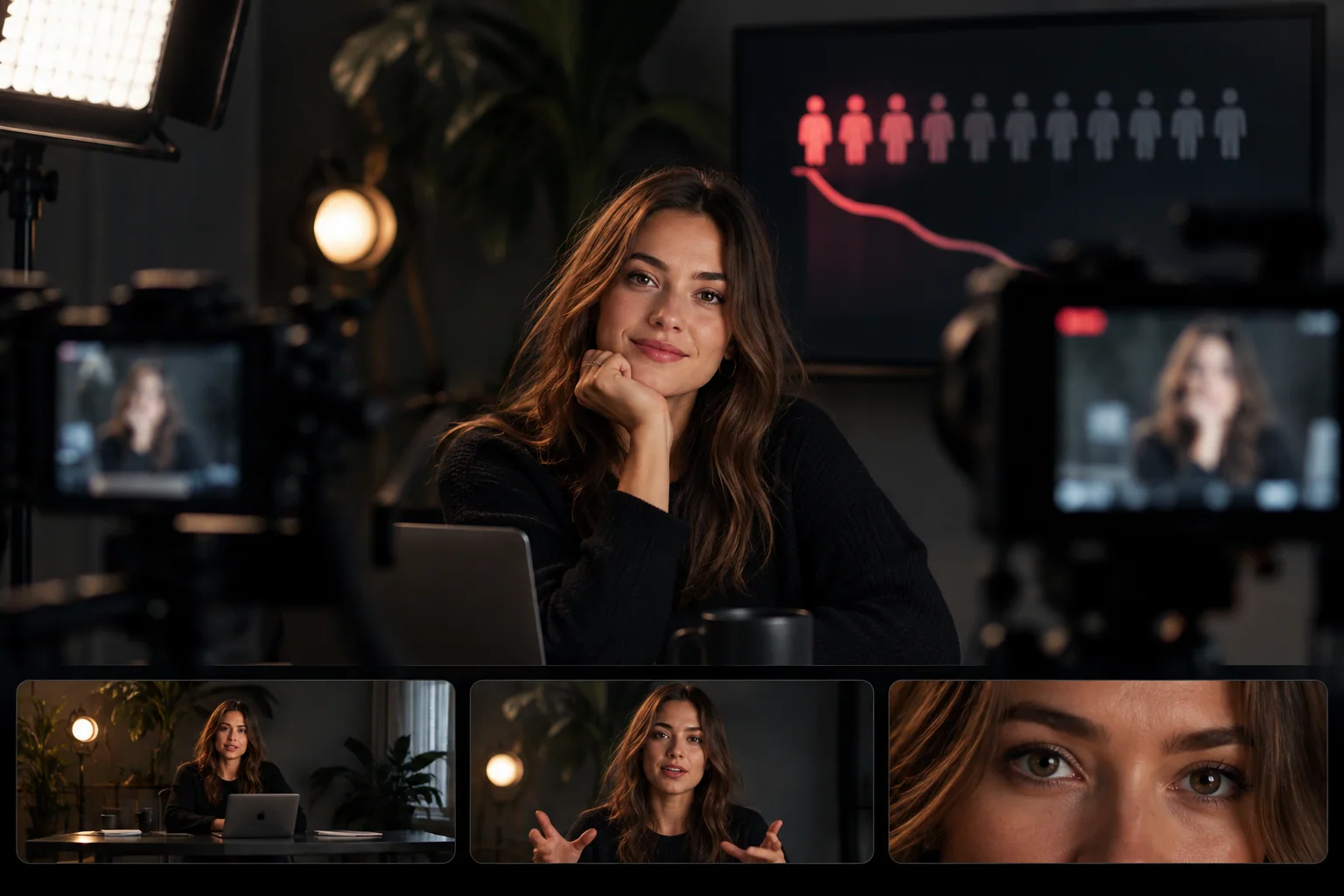


The bottleneck in modern content creation is rarely the recording phase; it is the edit.
Based on industry estimates and editor workflows, creators typically spend between 5 and 10 hours in post-production for every hour of finished video [High confidence: Based on standard post-production ratios for mid-tier YouTube and podcast workflows]. This 5:1 to 10:1 ratio holds remarkably steady across different formats, from video podcasts to talking-head YouTube essays.
Most creators attempt to compress this timeline by investing in faster hardware, premium software plugins, or automated tools. While these optimize the workflow, they fail to address the root cause of the bottleneck. The single largest variable dictating your editing time is the quality and consistency of the raw media you capture in the room.
1. Where Editing Time Actually Goes
To fix the editing bottleneck, you must first audit where the hours are spent. A critical analysis of standard post-production reveals that the bulk of a timeline is not dedicated to creative storytelling. Instead, it is consumed by corrective tasks:
- Audio Restoration: Scrubbing background hums, removing room echo, and attempting to level out inconsistent microphone gain.
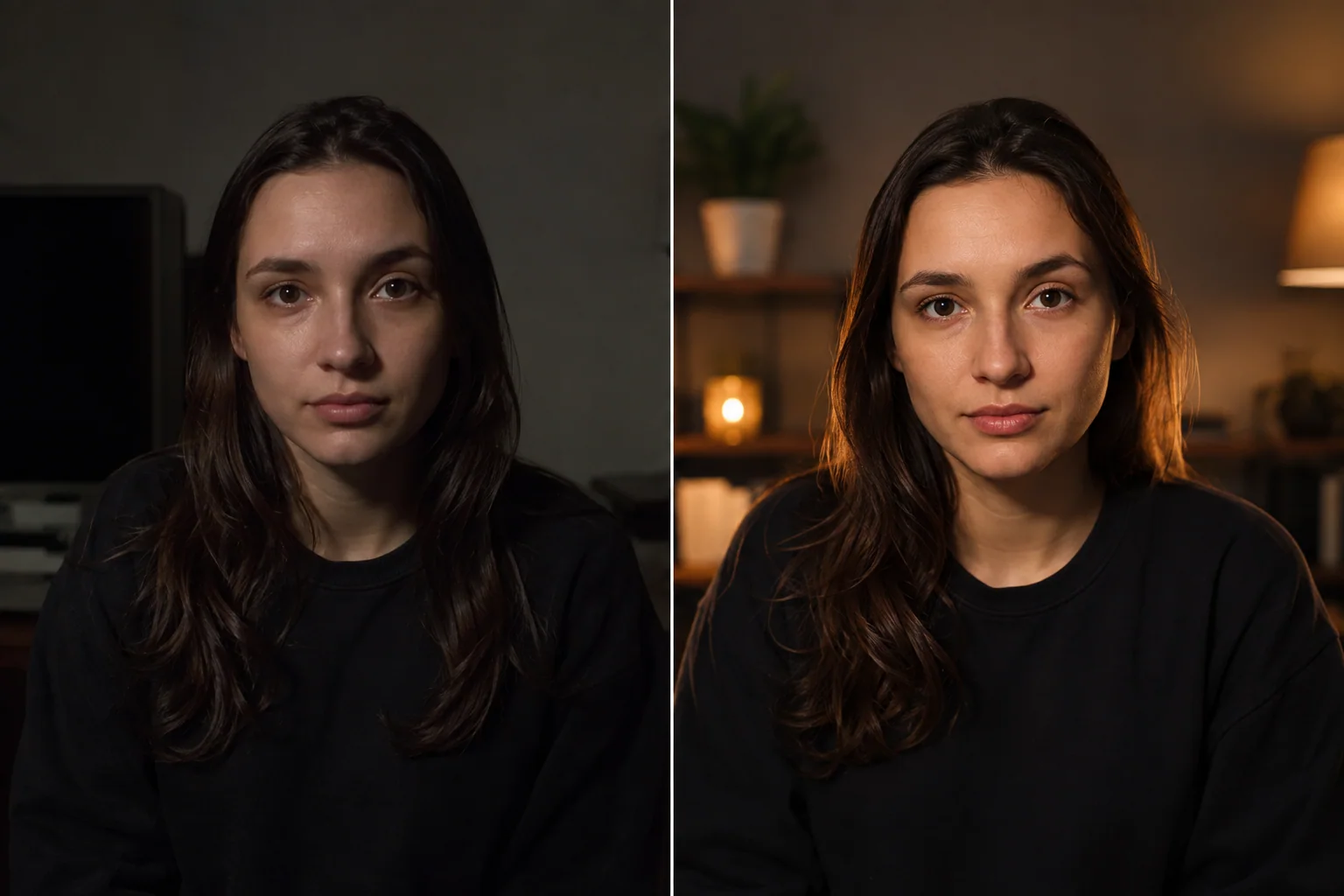
- Visual Correction: Fixing shifting color temperatures caused by window light, matching exposure between multiple cameras, and rescuing underexposed footage.
- Structural Trimming: Cutting out stumbles, retakes, and sync errors caused by disorganized recording practices.
When you record in an uncontrolled environment, every clip requires bespoke correction. You are not just editing; you are repairing.
2. Why Batch Recording Changes the Math
The most effective way to drastically reduce the editing ratio is through batch recording in a standardized environment.
When you record multiple episodes in a single session within a controlled studio setup, the math of post-production fundamentally shifts. If your lighting, framing, and audio levels are locked in and consistent across four videos, your editor only needs to build the project template once. The color grade applied to video one works perfectly for video four. The EQ and compression chain built for the first microphone setup translates seamlessly to the rest of the batch.
This transitions post-production from a series of unique puzzles into a predictable assembly line.
3. AI Tools Are Accelerators, Not Rescuers
There is a prevailing assumption that generative AI and automated post-production tools have rendered room acoustics and lighting irrelevant. This assumption is flawed.
AI noise reduction, auto-framing, and silence-removal tools are highly effective at accelerating an already solid workflow. However, applying aggressive AI noise reduction to highly reverberant, noisy audio often results in digital artifacts and robotic vocal tones. Relying on auto-color tools to fix terrible mixed lighting usually yields unnatural skin tones.
The rule of “clean in, clean out” has not been bypassed by machine learning. AI amplifies the quality of your source file; it cannot completely replace it.
4. A Practical Recording-to-Edit Checklist
To minimize corrective editing, standardize these variables before you hit record:
- Acoustic Treatment: Record in a space designed to kill reverb. If that is impossible, utilize dynamic microphones placed close to the speaker rather than highly sensitive condenser mics.
- Controlled Lighting: Black out natural light sources and rely entirely on artificial lighting. Natural light shifts over time (due to clouds and time of day), requiring continuous, tedious color correction in post.
- Camera Settings: Lock your white balance and exposure manually. Never rely on auto-white balance (AWB) or auto-exposure during a long-form recording.
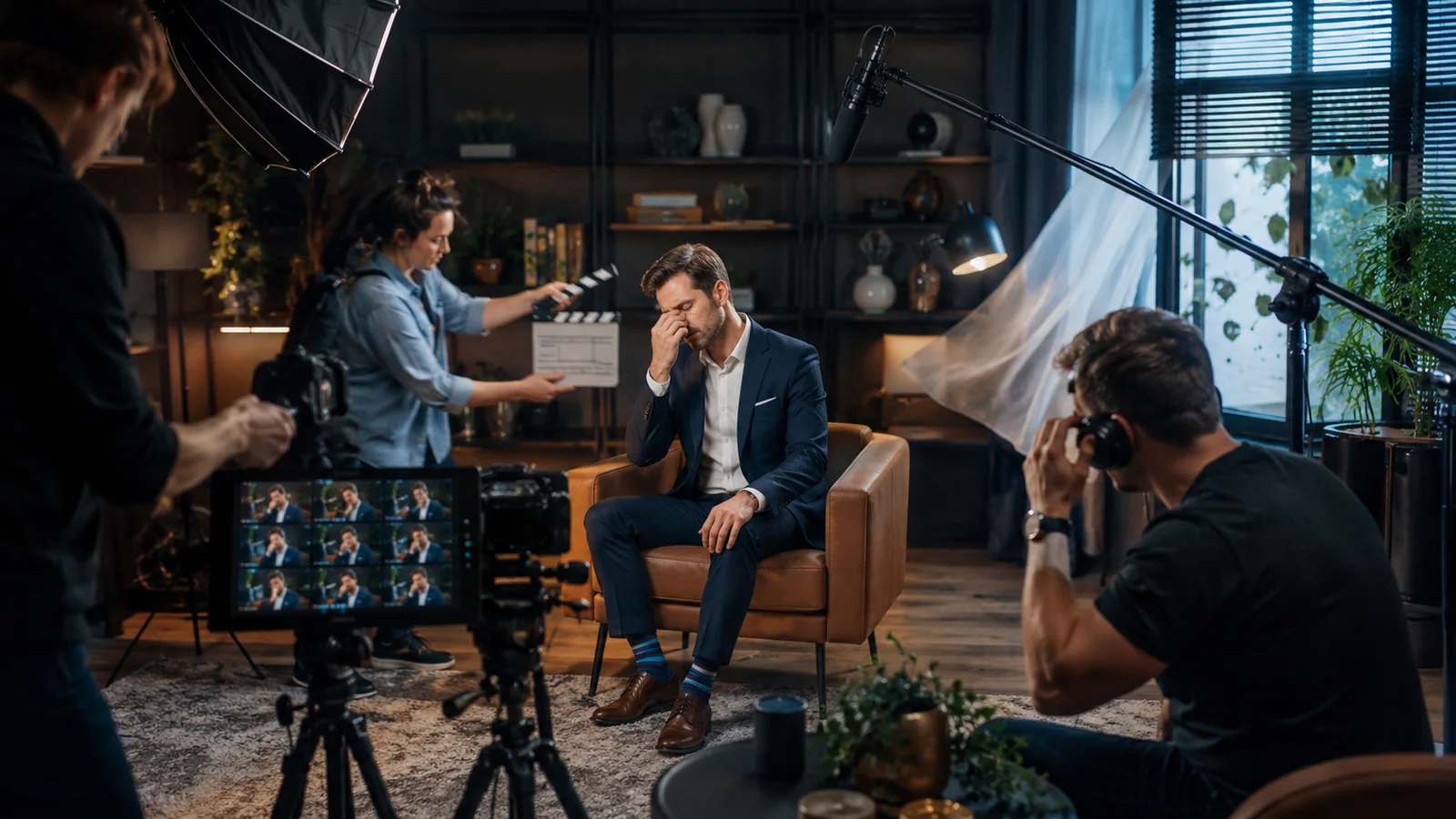
- Slate and Sync: If using multiple cameras and external audio without timecode generators, use a physical clapperboard or a loud, visible hand clap at the start of every take. This makes waveform syncing instant.
The Fix Starts in the Room
A treated room with consistent framing is not a luxury; it is the first phase of pre-production for your edit.
If your post-production time is unsustainable, the solution is not a faster processor. The solution is removing the volatile variables in your recording environment. By capturing clean, consistent, and well-lit footage, you eliminate the corrective phase of editing, allowing you to focus entirely on the output.
This is the operational philosophy behind spaces like Villo Studio. By utilizing an acoustically treated, consistently lit environment for your sessions, the footage you bring to the timeline is already in its optimal state. Less noise removal, fewer retakes, and a significantly faster path to publishing.
For complete episodes, explore our podcast editing service, from audio cleanup to a finished multi-camera cut.