

The best business podcast topics are the ones listeners can act on or see themselves in. Ten formats cover most of them: founder stories, industry trends, how-to guides, expert interviews, case studies, marketing, finance for entrepreneurs, everyday business problems, new technology and founder well-being. Choose two or three that fit what you know, then rotate them so the show stays useful and doesn't start to feel repetitive.
Below you'll find those 10 formats with more than 40 episode titles you can record in 2026. After them come separate sections on corporate podcast ideas, B2B podcast ideas and ways to turn a podcast into a business. Each idea explains why it works, so you can adapt it to your niche.
Business Podcast Topics at a Glance: Which Format Fits Your Goal
Topics are easier to choose once you know what the podcast is for. A show built to win clients needs different episodes from one built to grow a personal brand.
| Format | Main goal | Prep effort | Guest needed |
|---|---|---|---|
| Founder stories | Trust and emotional connection | Medium | Often |
| Industry trends | Expert positioning | High (research) | Optional |
| How-to guides | Loyalty and repeat listens | Medium | No |
| Leader interviews | Reach and networking | Medium | Yes |
| Case studies | Proof of expertise, leads | High | Optional |
| Marketing and branding | Practical, current tactics | Medium | Optional |
| Finance for entrepreneurs | Niche authority | High (fact-checking) | Often |
| Business challenges | Relevance and loyalty | Low to medium | Optional |
| Innovation and technology | Forward-looking authority | High | Often |
| Well-being and mental health | Deep connection, standing out | Low | Optional |
Tip: strong business shows rarely use only one format. A simple rotation such as interview, then solo how-to, then case study keeps a season varied and gives you time to book guests.
1. Entrepreneurial Journey Stories
People forget numbers but remember stories. Episodes that go behind the scenes of a business and cover the founders' struggles, failures and turning points are among the most listened-to business podcast topics. The "from zero to result" format works because every listener can see themselves in it.
NPR's How I Built This is one of the best-known business shows, and nearly every episode uses this format: one founder, one company, the whole story from the first idea onward.
Topic examples:
- “How 5 Failures Led to the First Million: The Story of [Name]”
- “Lessons Learned from My First Business Mistakes”
- “Turning Points on the Road to Building a Company”
2. Industry Trends and Predictions
This format makes you the person listeners come to for analysis, not only entertainment. Walk through the data, invite analysts and take industry reports apart: new technologies, changes in consumer behavior, the wider economy.
Tip: tie episodes to the calendar with titles like “Q1 forecast”, “year-end review” or “what to expect after [major event]”. Analytical episodes on a regular schedule turn listening into a habit.
Topic examples:
- “What Actually Worked in Digital Marketing in 2026: A Year-End Review”
- “How AI Is Reshaping the Job Market: What the Data Shows”
- “The Future of Remote Work: Trend or New Reality?”
3. Practical How-To Guides
How-to episodes build loyalty. When listeners can pause, try a tip and see it work, they come back. Step-by-step guides suit every level, from launching a first side project to handling complex B2B negotiations.
Learning something new is one of the main reasons people give for listening to podcasts. That is why educational episodes do so much to win subscribers.
Topic examples:
- “A Marketing Plan in 5 Steps: From Strategy to Launch”
- “The Art of Cold Outreach: Scripts That Actually Work”
- “How to Raise Venture Capital: A Step-by-Step Breakdown”
4. Interviews with Industry Leaders
An interview does two jobs: it gives you content and it builds your network. You get material no one else has, and the guest brings their audience to your show. Preparation makes the difference. Skip the questions your guest has already answered ten times and go deeper into personal decisions, mistakes people don’t know about and the principles behind them.
Tip: after the interview, ask your guest to share the episode on social media. Most will. It is free cross-promotion, and it reaches people who already trust your guest.
Topic examples:
- “Leadership Lessons from [Name]: What Didn't Make It into the Textbooks”
- “How the CEO of [Company] Builds a Resilient Business”
- “The Future of Innovation Through the Eyes of Tech Pioneers”
5. Case Studies and Success (and Failure) Stories
Real cases, wins and losses alike, give listeners lessons they can use right away. Stick to a simple structure: what happened, what was decided, what the result was, and what the lesson is. That turns someone else's experience into something your listener can use.
Tip: be as open about failures as about wins, because honest post-mortems are rare and memorable. Only name a company if the details are already public or the company has agreed to it.
Topic examples:
- “How Company X Tripled Sales by Changing One Process”
- “Why Startup Y Shut Down After 18 Months, and What It Teaches Us”
- “Small Changes, Big Results: The Case of Company Z”
6. Marketing and Branding
Digital marketing changes every 6-12 months as algorithms, platforms and tactics shift. Listeners want strategies that work right now, not textbook theory. Break down specific campaigns, share real metrics and show what is actually converting.
Tip: record this topic as a video podcast. One session produces the full episode plus short vertical clips for Reels, Shorts and LinkedIn. If you need help with editing and clips, see our video production services in Bali.
Topic examples:
- “How to Build a Brand That Customers Recommend on Their Own”
- “Influencer Marketing for Small Business: Where to Start”
- “UGC, Reels and Short-Form Video: What Converts in 2026”
7. Personal Finance for Entrepreneurs
Money management is the weak spot of many entrepreneurs. They know how to bring in revenue but struggle with taxes, emergency funds or keeping personal and business money apart. Freelancers, small business owners and startup founders all relate to this topic.
Cash flow problems are one of the most common reasons small businesses fail. Often the product is fine and the money was managed badly, which makes the topic a strong fit for practical episodes.
Tip: bring in a qualified accountant or financial advisor as a guest, and say clearly that the episode is general information, not personal financial advice.
Topic examples:
- “Financial Planning for Freelancers: A Step-by-Step System”
- “How to Build Wealth While Growing Your Business”
- “5 Financial Mistakes That Kill Small Businesses”
8. Overcoming Business Challenges
Every business hits roadblocks, from cash flow gaps to team conflicts. Episodes that take one specific problem and offer practical fixes make listeners feel “this podcast understands my situation”. That feeling turns a casual listener into a loyal subscriber.
Topic examples:
- “How to Scale Without Sacrificing Product Quality”
- “Cash Flow Crisis: An Action Plan for the First 72 Hours”
- “Managing a Distributed Team: Tools and Principles”
9. Innovation and Future Technology
AI, blockchain, AR/VR and sustainable technology already affect businesses today. Focus on practical use: how a support team used AI assistants for routine questions, how AR changed the way a store sells, how blockchain simplified a supply chain.
Tip: avoid hype, because business listeners value pragmatism. Instead of “AI will change the world”, go with “here is what one company automated, what it cost, what went wrong and how it could work for you”.
Topic examples:
- “How AI Tools Are Actually Saving Businesses Money: 5 Real Cases”
- “Blockchain Beyond Crypto: Applications in Logistics and Fintech”
- “Sustainable Tech: Trend or Competitive Advantage?”
10. Work-Life Balance and Mental Health
Burnout is an occupational hazard for entrepreneurs. Talking about it was once seen as weakness. Now an honest conversation about mental health draws an audience that is tired of the hustle-culture front. These episodes create a real emotional bond and set your show apart from dozens of look-alike business podcasts.
A University of California, San Francisco study led by Michael Freeman found that 72% of the entrepreneurs surveyed reported mental health concerns.
Topic examples:
- “How to Set Boundaries When You're the CEO”
- “Burnout Prevention: Practices That Actually Work”
- “Success and Well-Being: Do You Really Have to Sacrifice One for the Other?”

Corporate Podcast Ideas
A company makes a corporate podcast for its employees, clients or partners. The goal is to inform people and build trust, not to entertain the widest possible audience. The ten formats above still apply, but these ideas are made for company use:
- Internal news without the memo: “What Changed This Quarter, Explained by the People Who Changed It”
- Leadership Q&A: “Ask the CEO: Answers to This Month's Top Employee Questions”
- Onboarding series: “Your First 30 Days: What Nobody Tells New Hires”
- Employer branding: “A Day in the Life of Our Logistics Team”
- Customer stories: “How [Client] Solved [Problem], Told by the Client”
- Values in practice: “The Decision We Almost Got Wrong, and What Guided Us”
Tip: keep internal episodes short enough to finish on a commute. Let employees, not only managers, do the talking.
B2B Podcast Ideas
B2B buyers usually research a problem thoroughly before they talk to a salesperson. A podcast for a B2B audience can reach them at that stage by answering the questions they are already asking. Topics that work well:
- Buyer's guides: “How to Choose a [Category] Supplier: 7 Questions to Consider”
- Myth-busting: “5 Things Everyone Gets Wrong About [Your Niche]”
- Behind the product: “Building This Feature: Goals and Things We Said No To”
- Regulation explained: “New Rules in [Industry]: What Changes for Your Team”
- Client roundtables: “Three Clients Discuss How They Solved [Common Problem]”
Tip: invite the people you would like to work with. An interview is a natural reason to start a conversation, and it also gives you content.
Podcast Business Ideas: Making the Show Pay for Itself
If you are looking for business ideas in podcasting, you may want a show that earns money directly. The typical methods include:
- Sponsorships and ad reads once you have a steady, clearly defined audience.
- Paid extras: bonus episodes, subscriptions or early access for your most loyal listeners.
- Lead generation: the podcast brings clients to your consulting service, agency or other service.
- Courses and events built on your most popular episodes.
- Podcast production as a service for companies that want a podcast without building their own team.
None of these works automatically. Each depends on audience size, niche and consistency, so most shows start with lead generation and add other methods later.
How to Turn These Topics into a Season
- Pick two or three formats from the table that fit your goal.
- Write 10-12 episode titles before you record anything.
- Record several episodes in a single session to keep the sound and visuals consistent.
- Cut each episode into short clips for social media.
- After six episodes, check which topics listeners finished and shared, and make more content like them.

Why Record Your Business Podcast at Villo Studio
Great subjects are essential, but audio quality is just as important. Listeners are more likely to abandon a podcast with echo or background noise than one with a less exciting topic but high-quality sound.
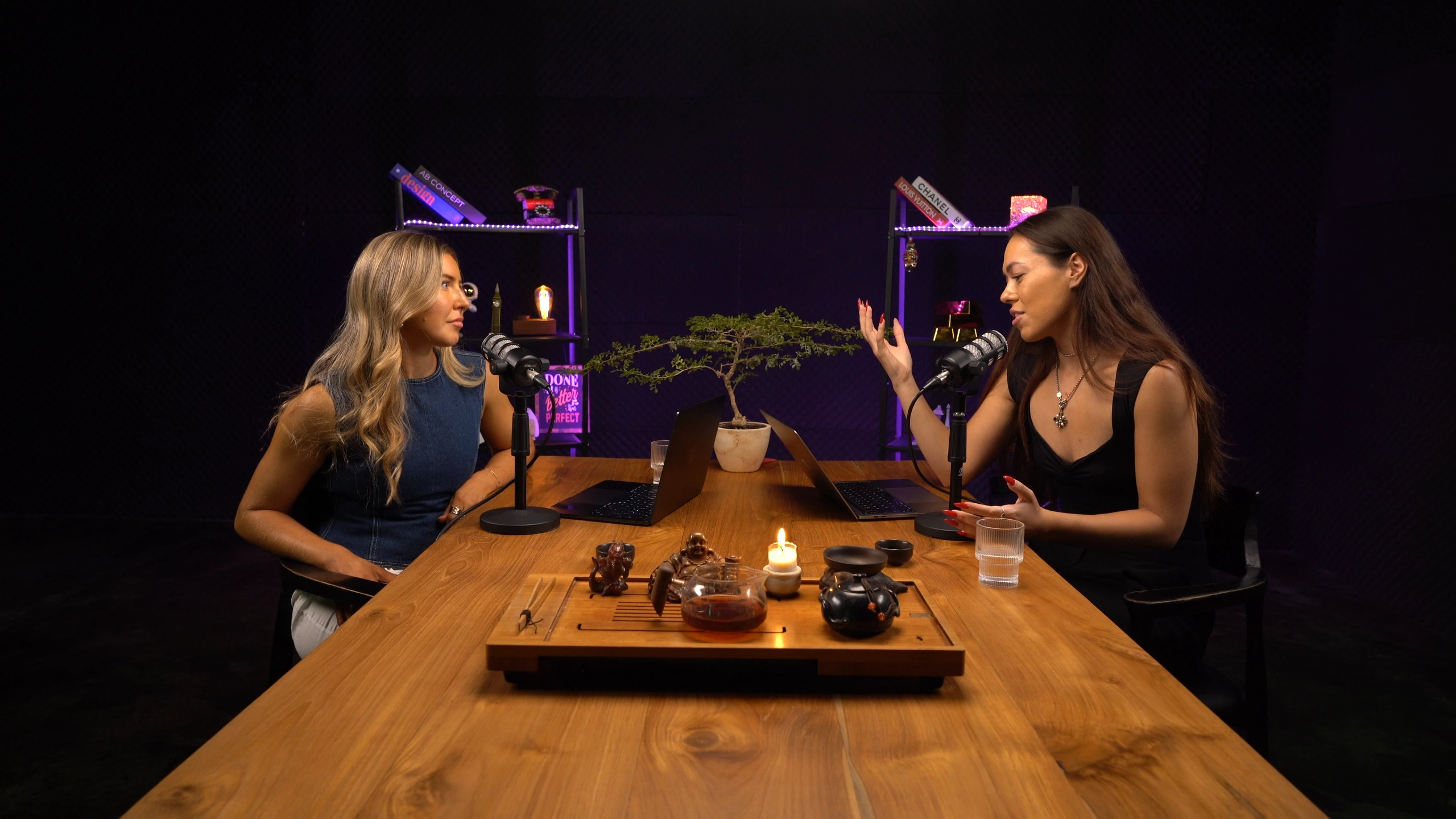
Our podcast studio in Bali provides you with all the tools necessary for professional recording:
- professional microphones and audio interfaces;
- a soundproofed space with treated acoustics;
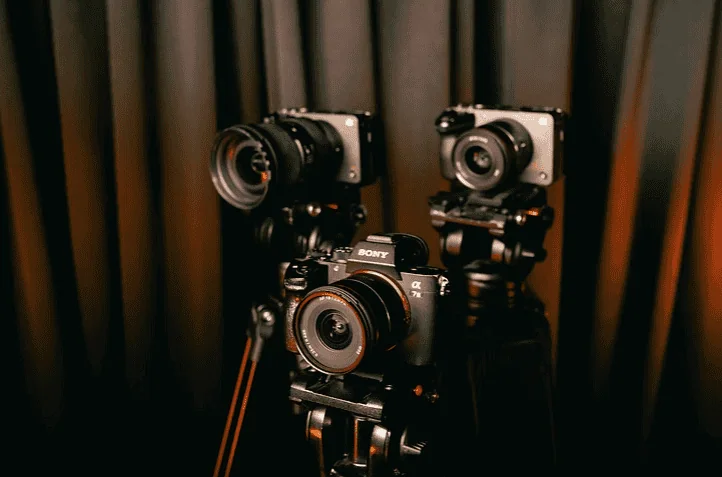
- Sony FX30 cameras (4K) for video podcasts;
- professional Godox lighting;
- a team that provides assistance throughout, from initial setup through to post-production.
You concentrate on the content, while we handle the technical aspects. Please review the available packages on our prices page.
Ready to record? Book a podcast session in Canggu, Bali. The package includes 4 microphones, 3 cameras, an operator and lighting. Come with a topic, leave with a finished episode.