

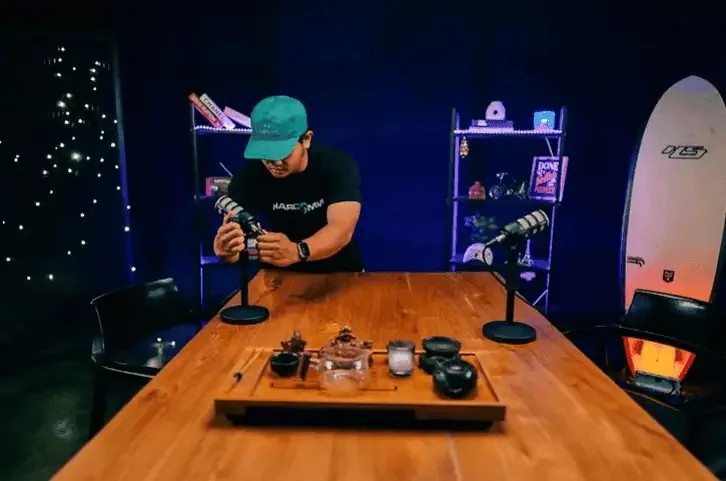
Creating Quality Content: 5 Steps to Take Before You Hit Record
Every content creator knows that rush of excitement that builds as you prepare to press the record button. But here is something that separates consistently great content from content that is merely good: what happens before you press record matters just as much as what happens during the session itself. The quality of your podcast, video, or film is not determined solely by your performance in the moment — it is shaped, in large part, by the preparation you invest beforehand.
At Villo Studio — Bali’s leading content creation and podcast studio — we have worked with hundreds of podcasters, filmmakers, and content creators at every level of experience. That experience has taught us one consistent truth: a little deliberate preparation transforms good content into something genuinely professional, memorable, and worth coming back to. If you are serious about creating content that stands out and builds a real audience, here are five things you should always do before you press that record button.
Why Preparation Makes All the Difference
Preparation is the foundation of quality content — and it is the step that the majority of creators underestimate or skip entirely. The difference between a session that flows naturally and one that feels disjointed, hesitant, or technically compromised almost always comes down to how well the creator prepared before they started. Great preparation is not about removing spontaneity — it is about creating the conditions that allow spontaneity to thrive. When the technical side is locked in and the structure is clear, you are free to be fully present and genuinely creative during the recording itself. That freedom is what audiences feel when they watch or listen to content that truly engages them.
1. Prepare Your Recording Space Thoroughly
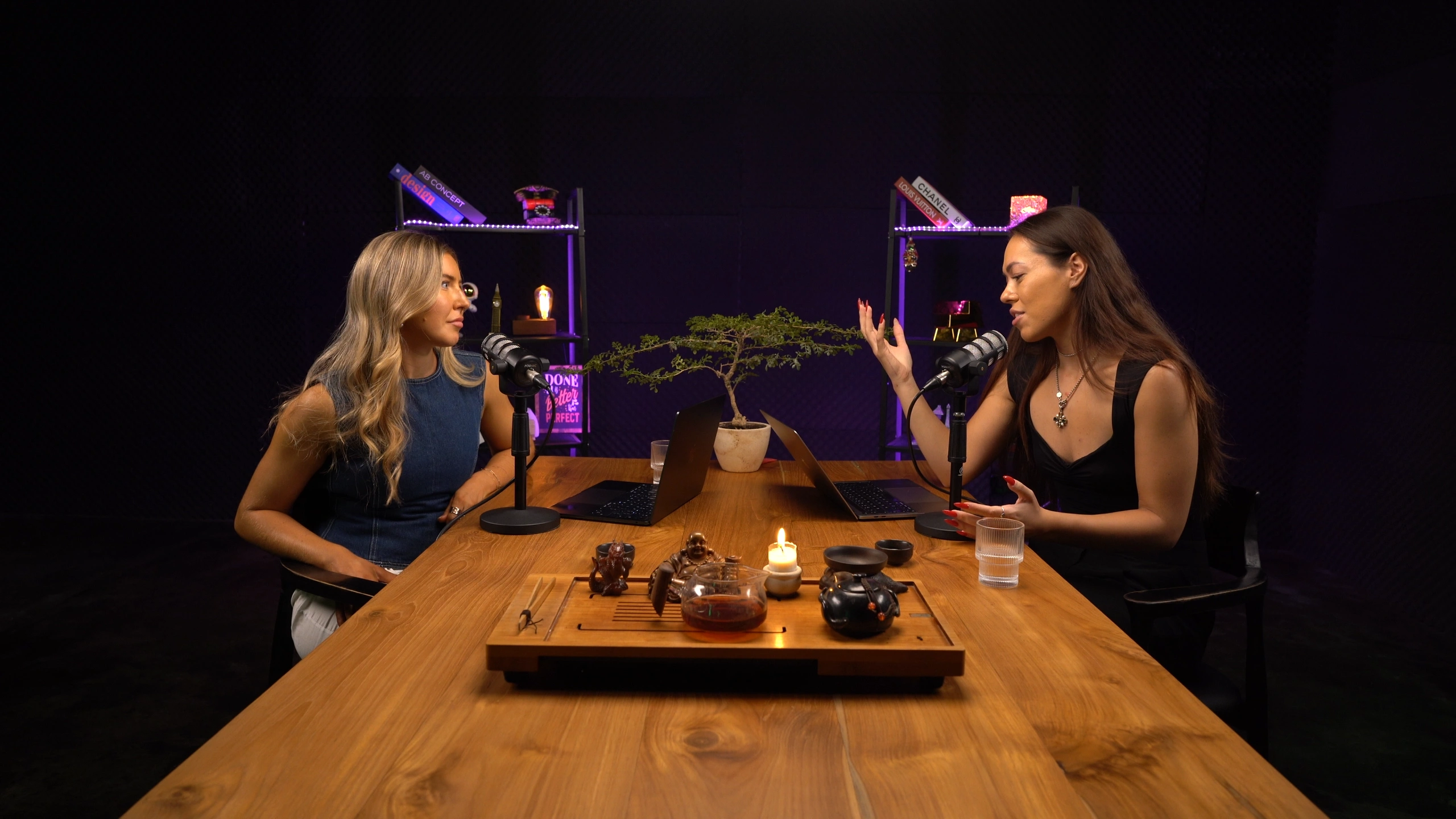
Your environment tells a story before you have said a single word. A clean background, balanced lighting, and a space free from visual distractions allow your audience to focus on what actually matters — you, your message, and your content. Whether you are recording in your living room, a home office, or a professional studio, your background should actively support you rather than compete with you for the viewer’s attention. A cluttered or visually chaotic background subtly undermines your credibility, even when your content itself is excellent.
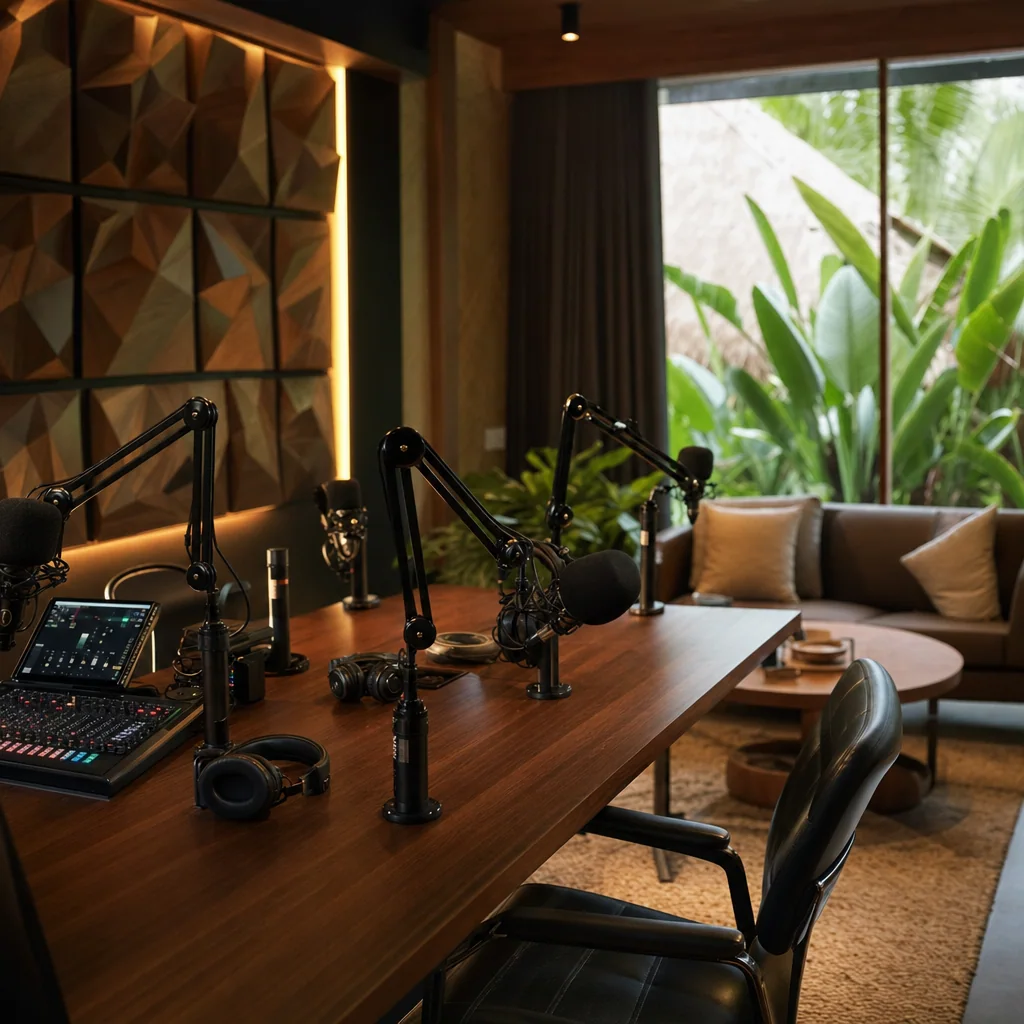
Take time before every session to look at your frame with fresh eyes — step back, look at what the camera actually sees, and remove anything that distracts. Adjust your lighting so that your face is evenly and flatteringly lit, with no harsh shadows or blown-out highlights. If you are recording audio-only content, address the acoustic properties of your space: soft furnishings, acoustic panels, and even a closed wardrobe full of clothes can dramatically reduce unwanted echo and room noise.
👉 Pro tip: check all your camera settings — resolution, frame rate, white balance, and focus — before you start recording. A two-minute check at the beginning of a session can save you from discovering a critical technical issue halfway through a long recording.
2. Check All Your Equipment Thoroughly
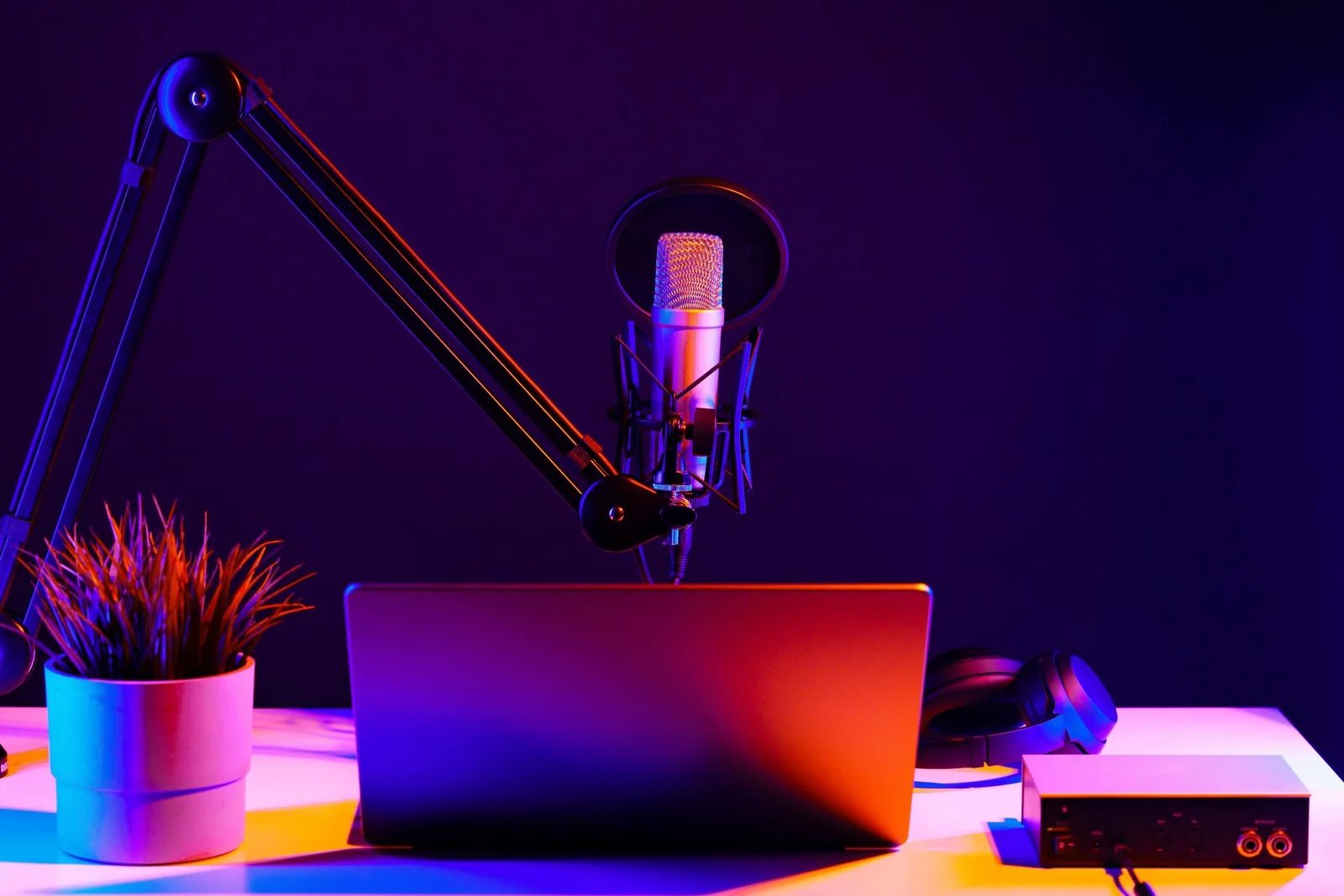
Nothing derails a recording session faster than discovering mid-way through that your microphone was not properly connected, your camera battery died at the twenty-minute mark, or your recording software was saving to the wrong drive. These are entirely preventable problems — and they are far more common than you might think, even among experienced creators who let preparation slip out of habit. A thorough equipment check before every session is not optional: it is a professional discipline.
Run through your complete equipment checklist before every session: microphone connection and gain levels, camera battery and storage capacity, lighting positioning and power, headphone monitoring, and software routing. At Villo Studio, we conduct a thorough pre-session technical check for every booking to ensure that everything is recording perfectly from the very first second — giving our creators the confidence to focus entirely on their content without a single technical concern in the back of their minds.
👉 Pro tip: record a ten-second test take and play it back through your headphones before you start. Listen critically for background hum, microphone handling noise, distortion, or any other issue that needs correcting. This single habit eliminates the vast majority of technical surprises.
3. Create a Clear Plan or Outline
Even the most relaxed, conversational podcast episode benefits from having a clear underlying structure. An outline or a set of key talking points is not a script — it is a navigation tool. It keeps you on course, ensures you cover everything that matters, prevents you from losing your thread mid-recording, and gives the final content a sense of intentionality and coherence that an unstructured session simply cannot achieve. The best content feels effortless to the audience precisely because the creator worked hard on the structure beforehand.
If you are recording with guests, share your key topics and questions with them in advance. This is not about over-rehearsing — it is about giving your guests enough context to feel relaxed and prepared, which almost always results in more thoughtful, articulate, and engaging conversations. Guests who know what to expect arrive with energy, clarity, and a genuine desire to contribute rather than spending the first fifteen minutes finding their footing.
👉 Pro tip: think of your outline as a roadmap, not a script. You are free to explore interesting detours — but a good map means you will never get truly lost, and you will always know how to find your way back to the core message.
4. Prepare Your Energy and Your Voice
Your voice and your energy are the primary instruments of your content — and like any instrument, they perform better when they have been warmed up before the performance. Walking straight from a meeting, a commute, or a long stretch of silence into a recording session without any preparation almost always results in content that sounds flat, hesitant, or low-energy in the first few minutes, which is precisely when you most need to capture your audience’s attention.
Before you start recording, spend a few minutes on a simple vocal warm-up: speak a few sentences aloud at your intended recording volume, practice any technical terms or names you will be using, and do a short breathing exercise to calm any pre-recording nerves and center your focus. If you are feeling mentally scattered, take sixty seconds to close your eyes, breathe deeply, and remind yourself of the core message you want your audience to take away from this session. Arriving at the microphone with intention and presence is immediately audible — and your audience will feel the difference even if they cannot articulate exactly why.
👉 Pro tip: smile as you speak — even on a podcast where no one can see your face. A genuine smile changes the physical shape of your mouth and adds warmth and openness to your vocal tone. Your listeners will feel it, even if they never see it.
5. Visualize the Final Result
Before you press record, take a moment to ask yourself a single, clarifying question: how do I want this to look, sound, and feel when it is finished? Do you want a relaxed, intimate podcast episode that feels like a conversation between friends? A high-energy interview that crackles with momentum and insight? A polished, cinematic video that positions your brand with authority and elegance? Having a clear vision of the end result before you begin is not a minor detail — it shapes everything from how you hold yourself on camera to the pacing of your delivery, the energy you bring to the conversation, and the editing decisions that will come later.
Visualization is a tool used by professional broadcasters, public speakers, and filmmakers precisely because it works. When you know what you are aiming for, every decision you make during the recording — conscious or otherwise — is pulled in the direction of that vision. Without it, you are improvising your way toward an outcome you have not defined, which is a much harder way to create something consistently excellent.
👉 Pro tip: before you press record, ask yourself: if I were a member of my own audience watching or listening to this right now, would I stay engaged? Would I find this genuinely valuable? If the honest answer is yes — you are ready to record.
Why This Matters for Creators in Bali
Whether you are an independent podcaster, a filmmaker, a brand building its content presence, or a business telling its story, proper preparation is what separates content that is forgettable from content that actually builds an audience, earns trust, and drives results. The good news is that none of these five steps requires expensive equipment or advanced technical knowledge — they require attention, discipline, and a genuine commitment to giving your audience the best possible version of what you have to offer.
Building a Real Connection with Your Audience
One of the most important things that preparation enables is genuine connection with your audience. When you are not distracted by technical problems, uncertain about your structure, or low on energy, you can be fully present and fully yourself — and that authenticity is what audiences feel and respond to. People do not just want information: they want to feel connected to the person sharing it. Preparation creates the space for that connection to happen naturally and consistently, episode after episode.
Effective Time Management on Set
Preparation also makes a significant practical difference to how efficiently you use your recording time. With a clear plan in place and equipment that has been checked and confirmed, you eliminate the dead time that accumulates when sessions start late, run into technical issues, or lose their direction mid-way through. This means more usable content per session, shorter editing time, and a faster overall production cycle — all of which matter enormously when you are trying to maintain a consistent publishing schedule alongside everything else in your professional life.
Maintaining a Consistent Standard of Production Quality
In a content landscape that is more competitive than at any point in history, production quality is no longer a differentiator — it is a baseline expectation. Audiences have been conditioned by years of high-quality professional content to expect a certain standard, and content that falls significantly below that standard simply does not get listened to or watched, regardless of how good the ideas behind it are. Consistent preparation is the most reliable way to maintain a consistent quality standard — and consistency, over time, is what builds the trust and recognition that makes an audience loyal rather than merely occasional.
Pressing record might feel like the main event — but it is the preparation that makes your content truly shine. Set up your space thoughtfully, check your equipment without exception, plan your session clearly, warm up your energy deliberately, and visualize your end result with intention. Do these five things consistently, and the quality of everything you create will reflect it.
At Villo Studio — Bali’s trusted creative studio for podcasters, filmmakers, and content brands — we specialize in helping creators bring their ideas to life at the highest possible standard. From fully soundproofed podcast rooms and professional video setups to expert technical support and a creative environment built for focused work, we take care of every detail so that you can focus entirely on what you do best: telling your story. Book your session at Villo Studio today and create content that genuinely stands out.