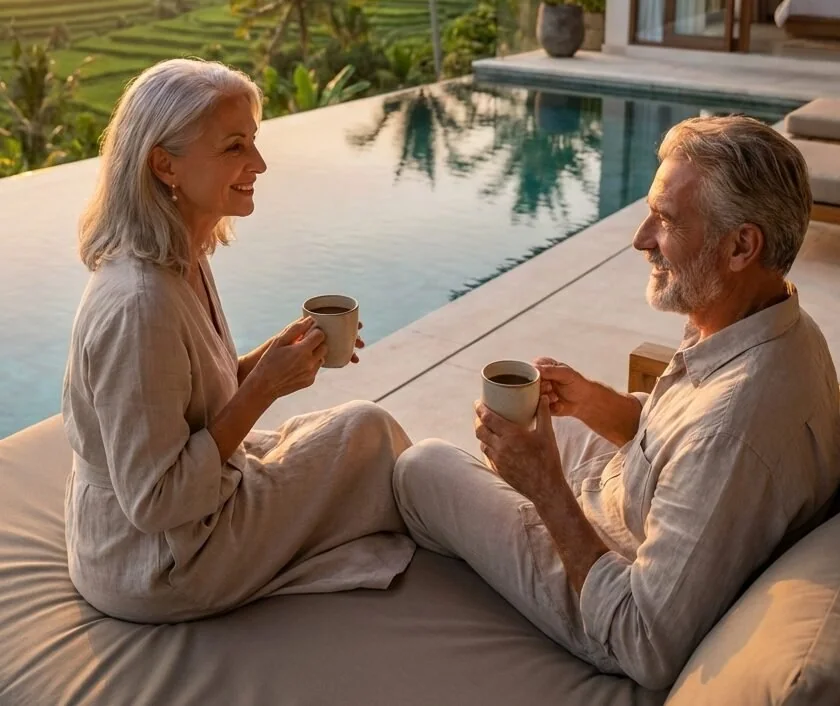


Close your eyes for a moment and imagine yourself in Bali. A gentle breeze caresses your hair, the scent of incense calms your soul, and the soft sound of a pool’s flowing water brings a sense of peace. A landscape of lush green rice fields stretches before you, adorned by a majestic temple radiating a spiritual aura. This is Bali — the Island of the Gods — which captivates not only with its natural beauty, but also with its rich culture and enduring traditions.
Now, imagine that Balinese charm present in your own home. Not merely a replica, but a harmonious blend of traditional Balinese elements with elegant modern touches. Indeed, Balinese architecture — steeped in meaning and in harmony with nature — is increasingly sought after for modern living, bringing calm and peace amidst the bustle of city life.
For those who wish to bring a touch of Bali into their dream home, this article explores 9 minimalist Balinese house design inspirations worth replicating. Let us delve deeper into the philosophy and hallmarks of Balinese architecture, and discover creative ways to blend it with a modern style that suits your taste.
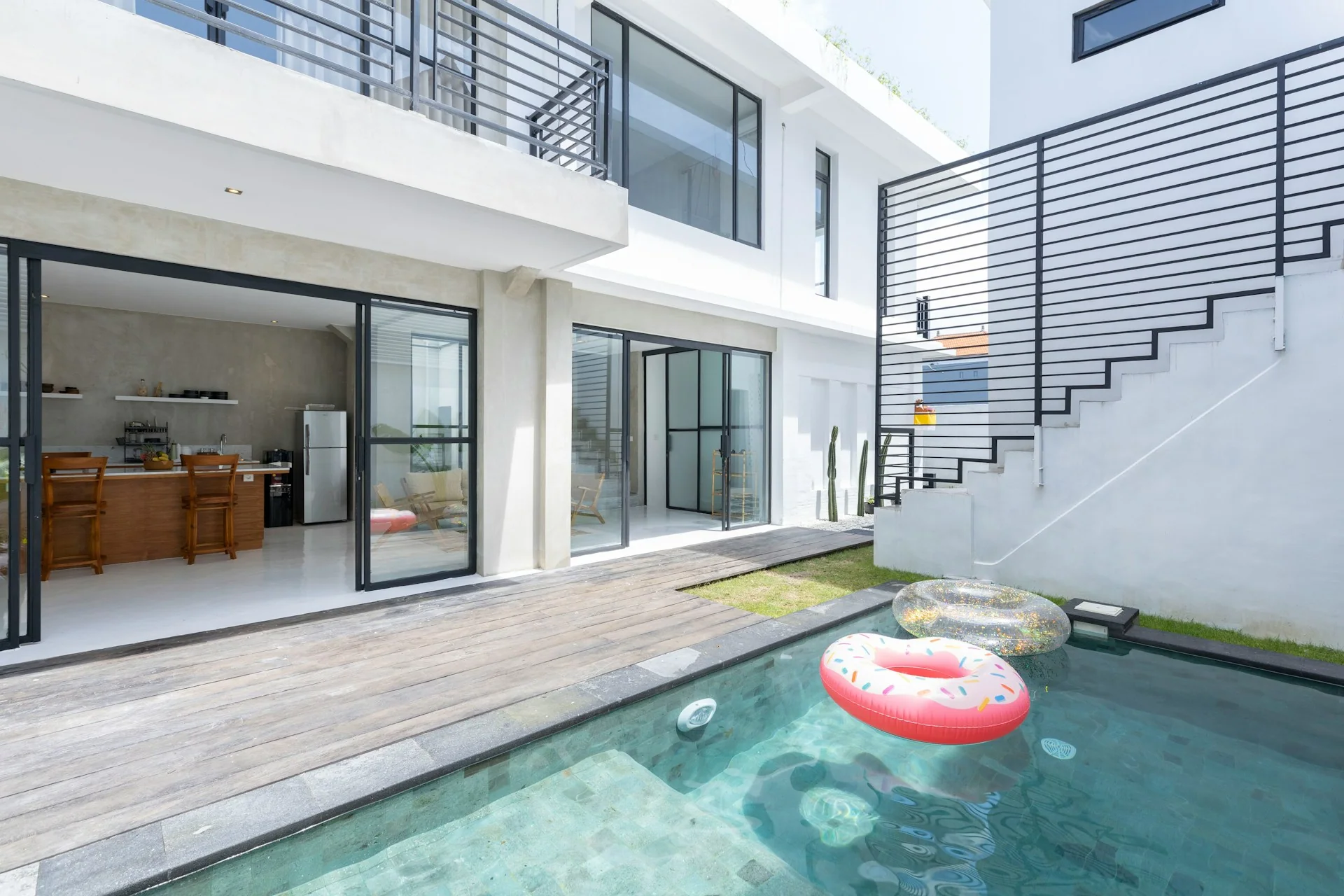
1. Embracing Nature with an “Open Style”
Tired of the same old rooms? Want to feel truly connected with nature right at home? Try applying Bali’s signature “Open Style” concept!
Forget rigid partitions that confine your space. Let a lush green garden blend seamlessly with the interior through open walls. Imagine enjoying your morning breakfast accompanied by birdsong and the fragrance of flowers. Or relaxing in the living room with a soothing breeze drifting through.
Open Style is not just about aesthetics. This concept helps you connect with nature, bringing calm and peace into the midst of daily busyness.
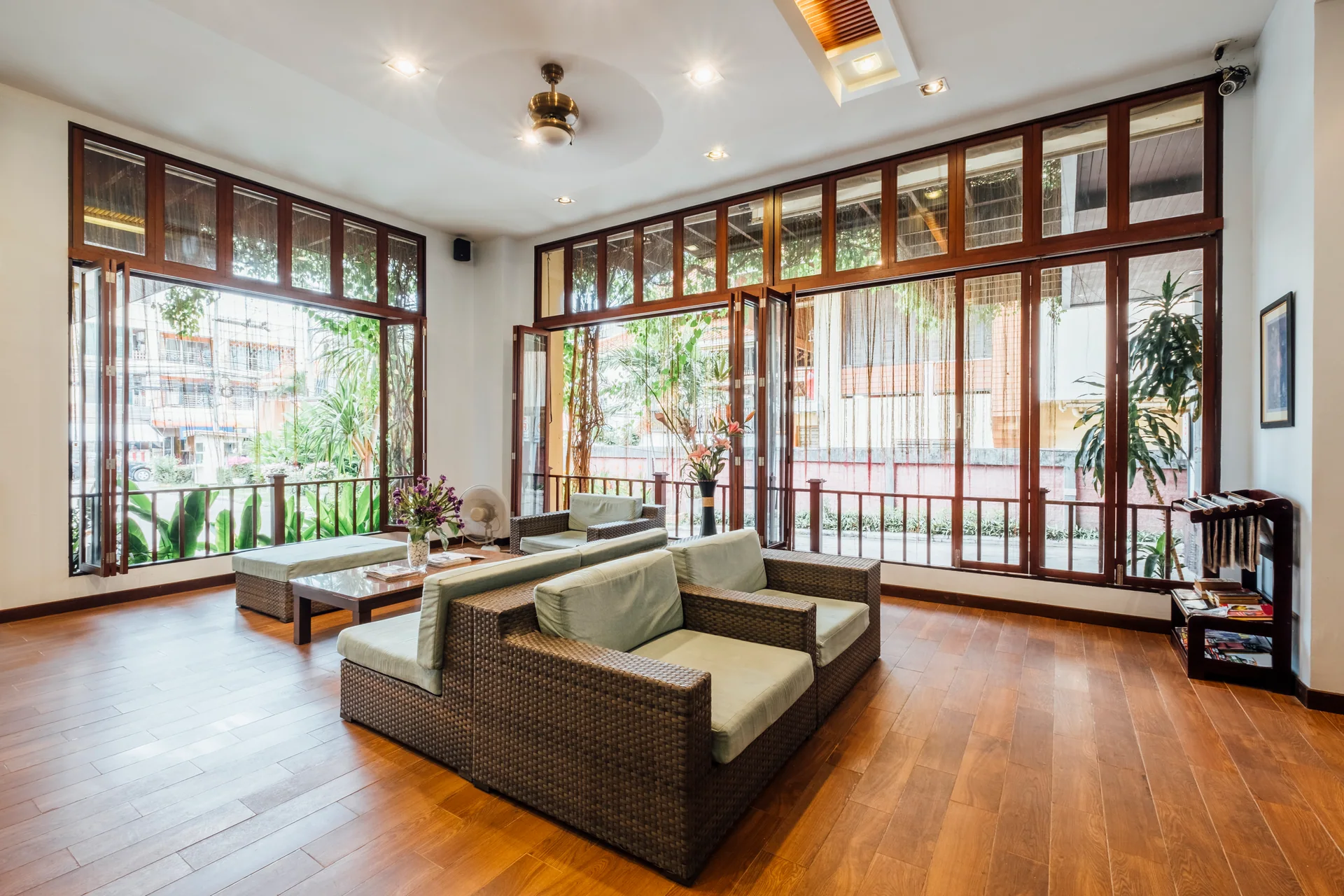
2. A Spacious and Comfortable Family Room
Who wouldn’t want a large, pillar-free living room? Imagine relaxing with your family in a grand, airy space, complete with high ceilings and a sturdy wooden structure. A spacious and comfortable room like this is sure to make everyone want to linger, chatting and sharing stories with the people they love most.
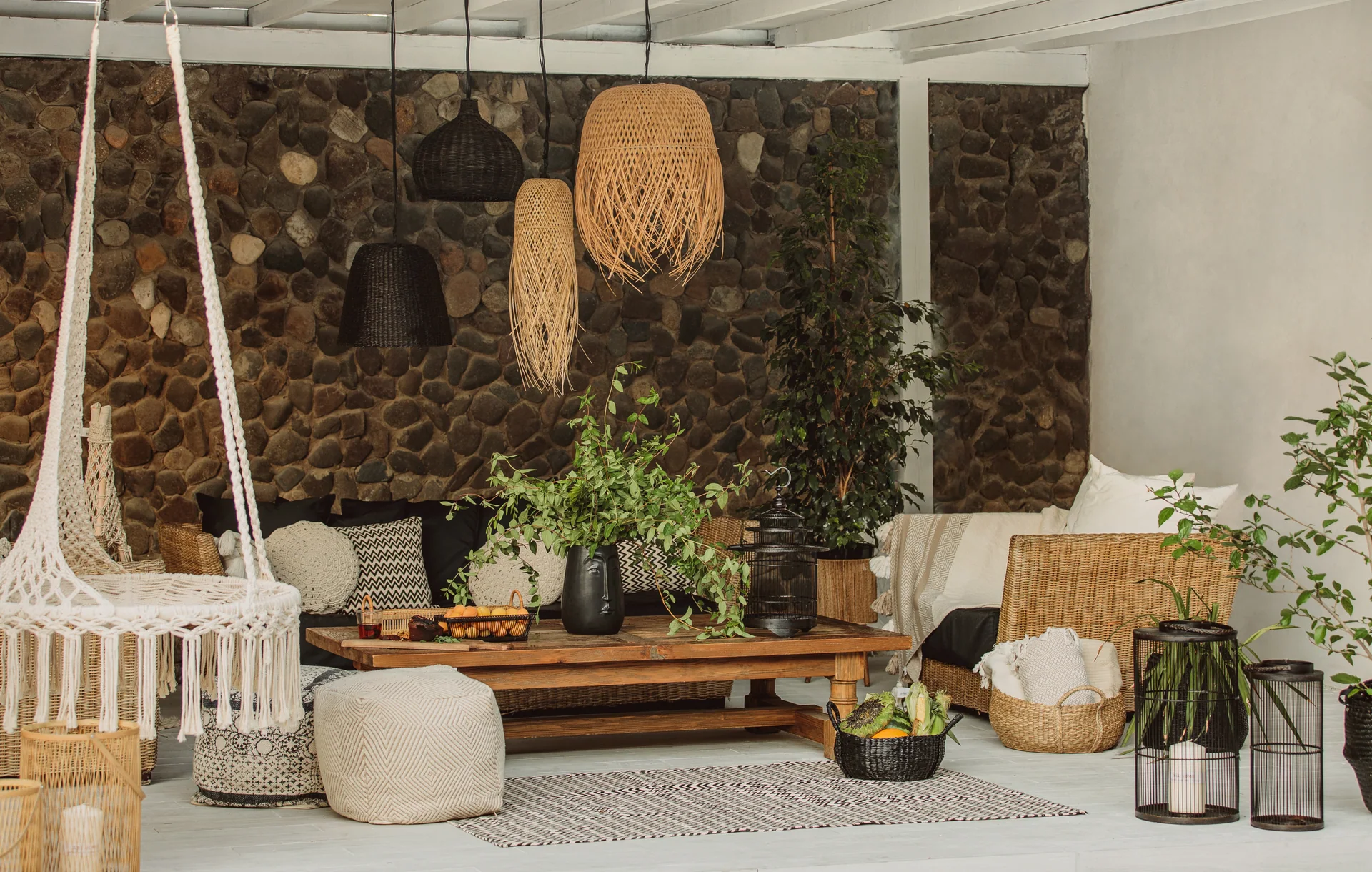
3. Tri Hita Karana: Harmony of Nature, Humanity, and God in Your Dream Home
Have you heard of the Tri Hita Karana philosophy from Bali? This philosophy carries a truly profound meaning — at its core, it speaks of balance between humanity, nature, and God. Now imagine applying this to your dream home.
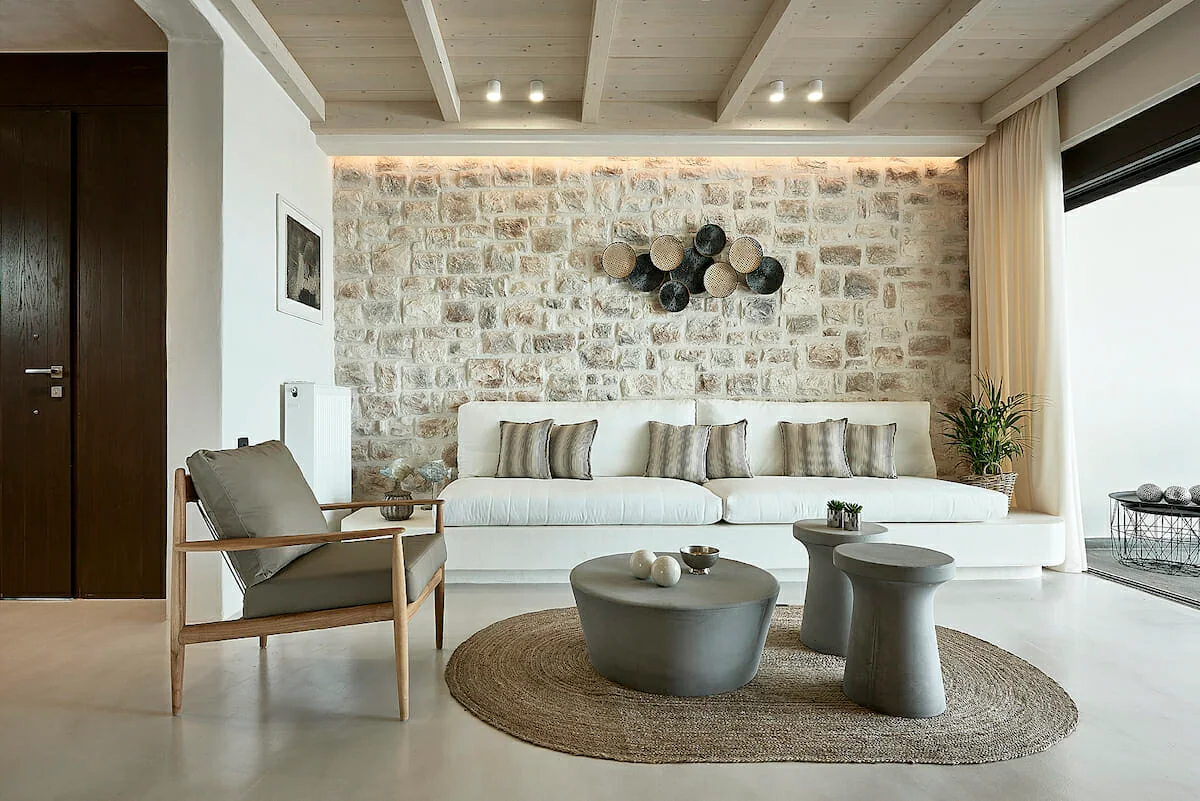
A home in harmony with nature uses natural materials such as stone and wood, enhanced by touches of greenery in every corner, creating a calm and peaceful atmosphere that nurtures both body and soul. It is not merely about aesthetics, but about finding genuine inner peace.
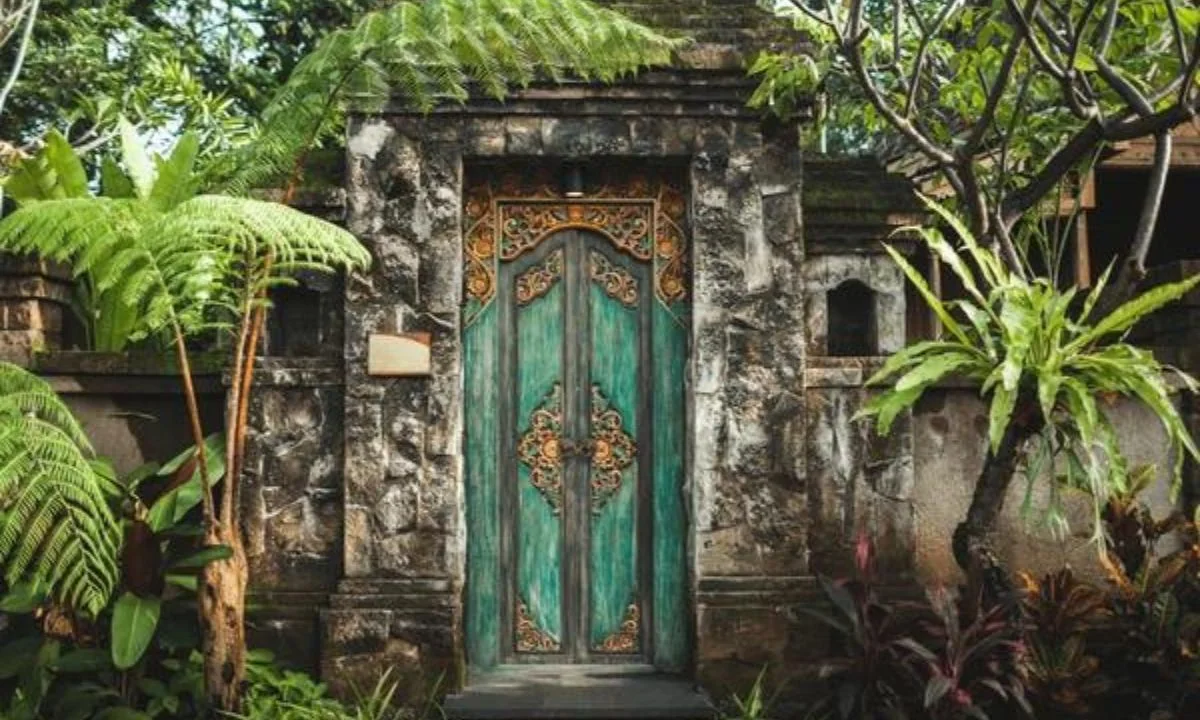
4. Beautifying Your Home with Balinese Cultural Heritage
Tired of monotonous home décor? Try enlivening your walls or furniture with characteristic Balinese carvings! Not only will this make your home look more beautiful and unique, it also brings deep meaning and story to your space.
Balinese carvings are far more than ordinary decoration. They are part of the archipelago’s cultural heritage that deserves to be preserved. Each carving motif carries its own meaning and story, lending an authentic Balinese feel to your home — from floral and leaf motifs symbolising beauty and fertility, to animal motifs reflecting strength and courage, to deity motifs serving as symbols of spirituality and protection.
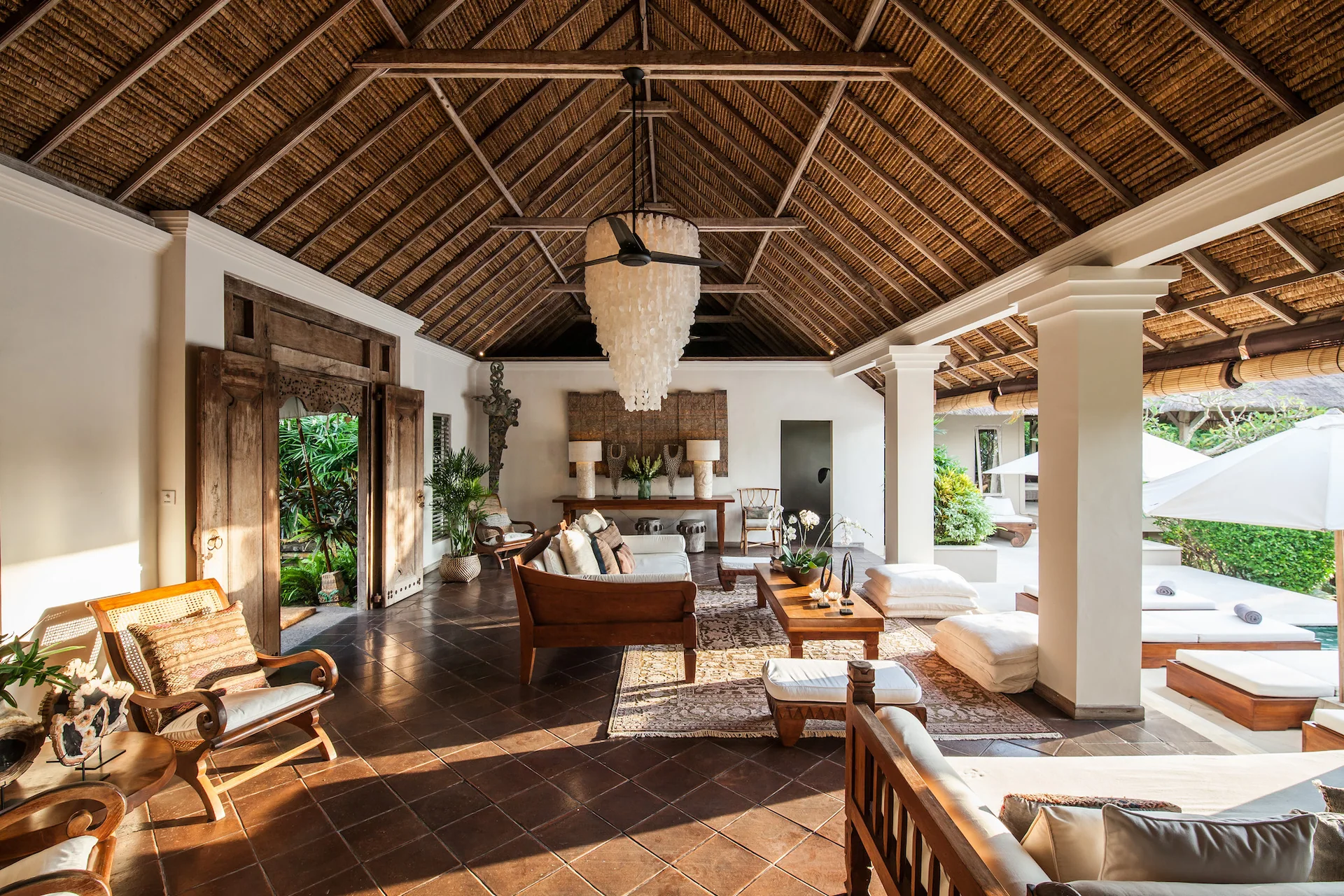
5. Thoughtful Layout Inspired by Tri Mandala Philosophy
Divide your space thoughtfully according to function and level of privacy, following the Tri Mandala philosophy originating from Bali. Public areas such as a front garden are ideal for relaxing with the family, while semi-public areas such as a terrace can be used to welcome guests and enjoy the view. Private areas — the bedrooms, family room, and kitchen — serve as ideal spaces for maintaining privacy and tranquillity.
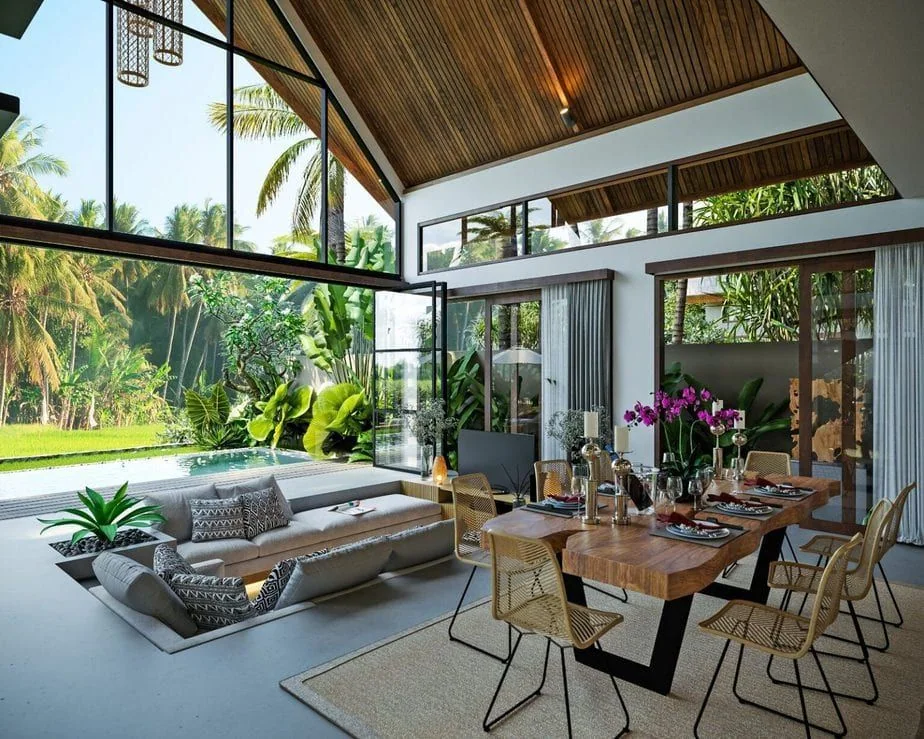
6. Perfect Air Circulation
One of the most distinctive hallmarks of Balinese architecture lies in the presence of large windows and open roof spaces. By maximising the use of natural ventilation, you can not only enjoy the refreshing, health-giving quality of natural airflow, but also optimise your home’s energy efficiency.
A cool and comfortable atmosphere can be achieved without relying on air conditioning units. In this way, the home becomes not only an aesthetic space, but also an environmentally friendly one that supports an energy-conscious lifestyle.
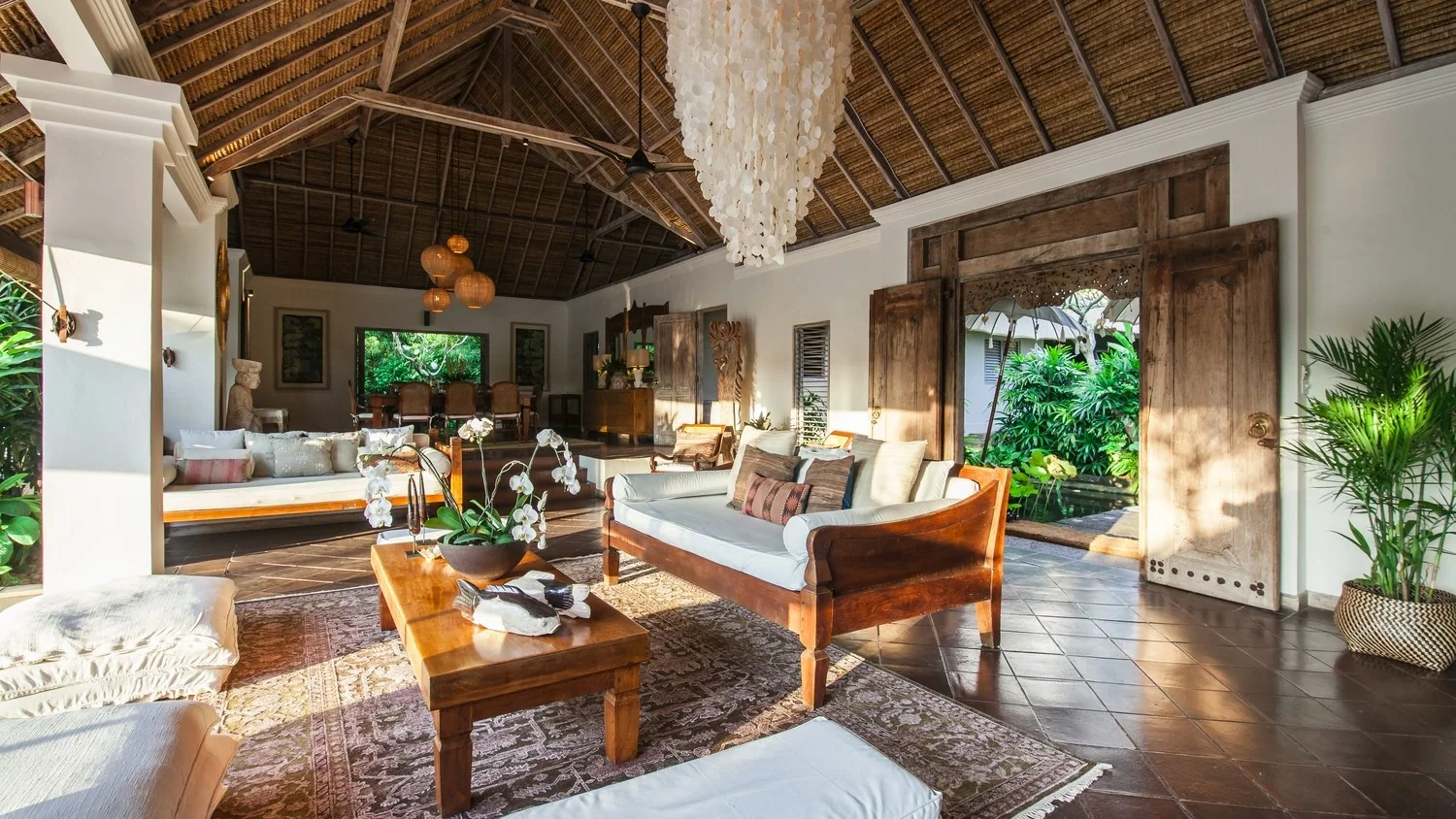
7. Solid Foundations Inspired by Tri Loka
The Tri Loka philosophy inspires the view that a home is, in essence, an extension of the human body. The foundation is as sturdy as the legs, providing stability. Open pillars evoke the bones that support the structure, while the roof with its exposed wooden beams symbolises the head — representing intelligence and thought.
Within this robust construction, one gains not only the safety and durability of the home, but also the emanation of a strong and balanced life philosophy. A home is not merely a shelter, but a reflection of a philosophical foundation that unites stability, support, and wisdom in comprehensive harmony.
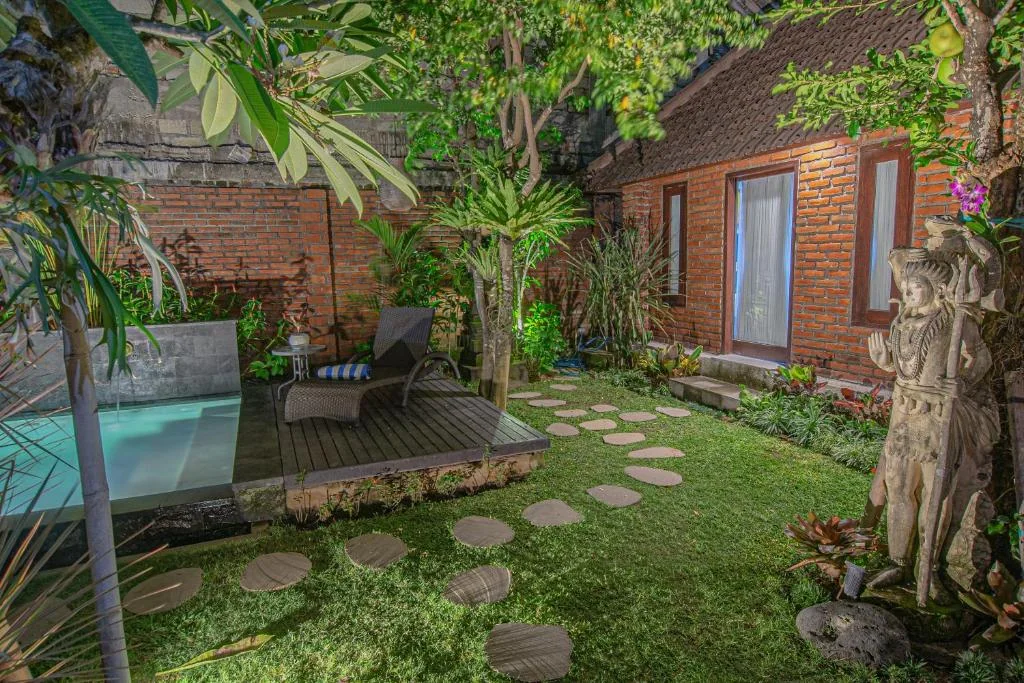
8. A Spacious Garden for Relaxation
Transform your home into a private resort with the presence of a wide and refreshing garden. Lush, thriving trees, a soothing koi pond, and an inviting gazebo are the key elements in creating an authentic resort atmosphere.
Through this combination, the garden becomes an oasis offering tranquillity amidst the bustle of city life — a place where you can not only unwind, but also find the peace and spiritual calm you so deeply desire.
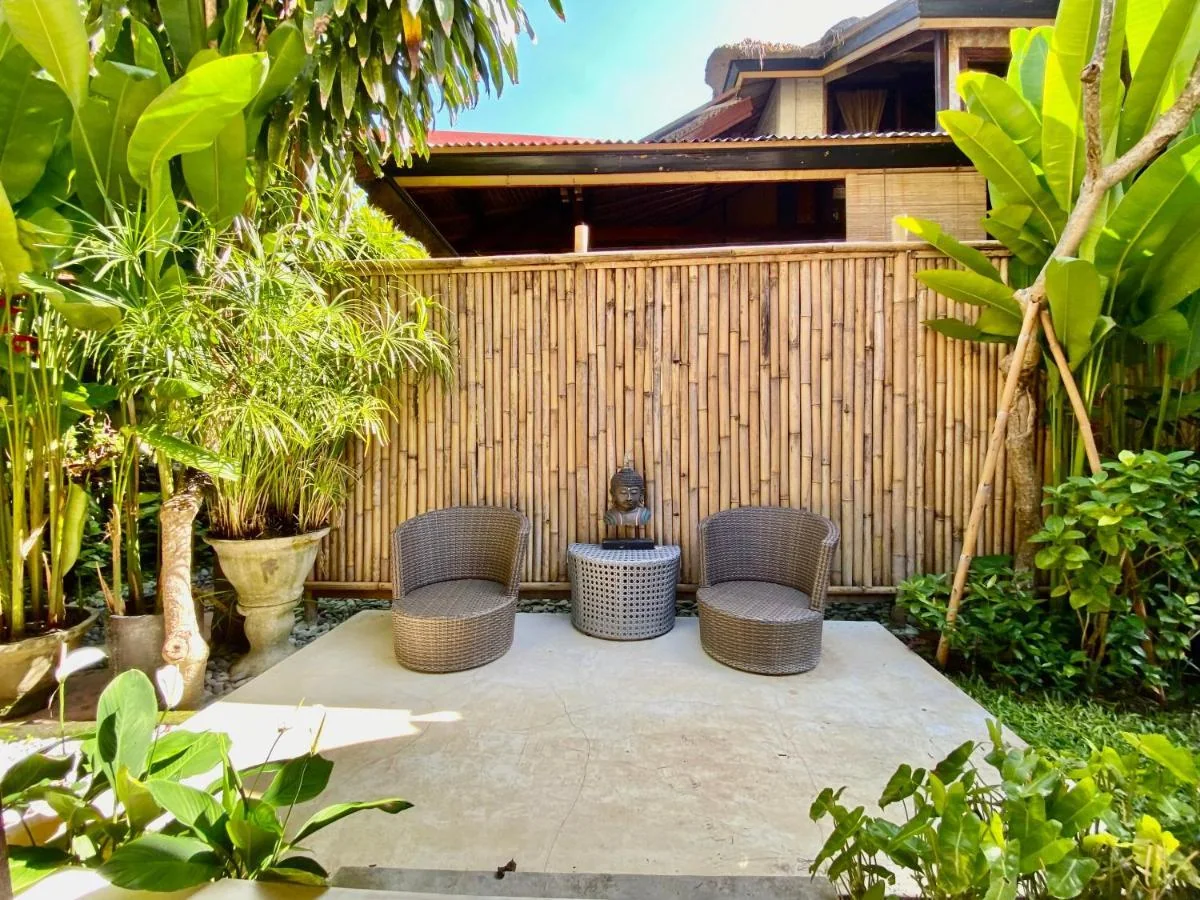
9. The Fence as a Spiritual Guardian
In Balinese culture, walls serve not merely as physical boundaries, but also hold an important role as protectors. A tall fence adorned with palm trees, banana plants, and bamboo functions not only as a unique decorative accent for the home, but also provides a sense of security and privacy.
Beyond being a mere physical structure, this fence becomes a powerful symbol of spiritual protection — serving as a guardian of the home’s inhabitants against negative energy, and cultivating a calm and safe atmosphere within the home environment.
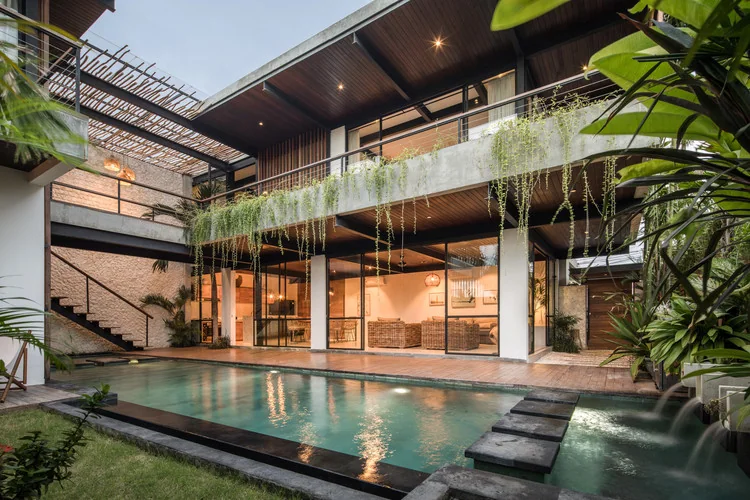
The Philosophy of Balinese Architecture
In Balinese architecture, home design is about far more than aesthetics. Behind it lies a philosophy and meaning capable of bringing peace and balance.
For a home is not merely a place to live, but also a place to reflect and find inner peace.
The following are the philosophies commonly embedded in Balinese architecture:
Tri Hita Karana: Often called the “3 sources of happiness,” it teaches living in harmony and balance across 3 realms: humanity (the self), nature (the surrounding environment), and God (spiritual belief).
Tri Mandala: The governing principle of spatial division and arrangement — similar to urban zoning, but expressed in Balinese philosophical style.
Sanga Mandala: Similar to Tri Mandala, but specifically concerned with the division of space according to the cardinal directions — akin to feng shui, but in a Balinese style.
Tri Angga: A concept of hierarchy between different worlds — similar to a caste system, but not about social status; rather, it concerns the distinct roles and functions of each realm.
Tri Loka: Somewhat similar to Tri Angga, but speaks to the levels of the universe, from the underworld to the heavens above.
Asta Kosala Kosali: An architectural guideline for designing buildings, covering rules on symbols, temples, stages, and dimensions — similar to an ISO standard, but specific to Balinese construction.
Arga Segara: A sacred axis connecting the mountains and the sea — a “golden line” linking places of spiritual significance.
By understanding these philosophies, you can incorporate their noble values and sense of harmony into your home design, creating an atmosphere that is truly peaceful and balanced.
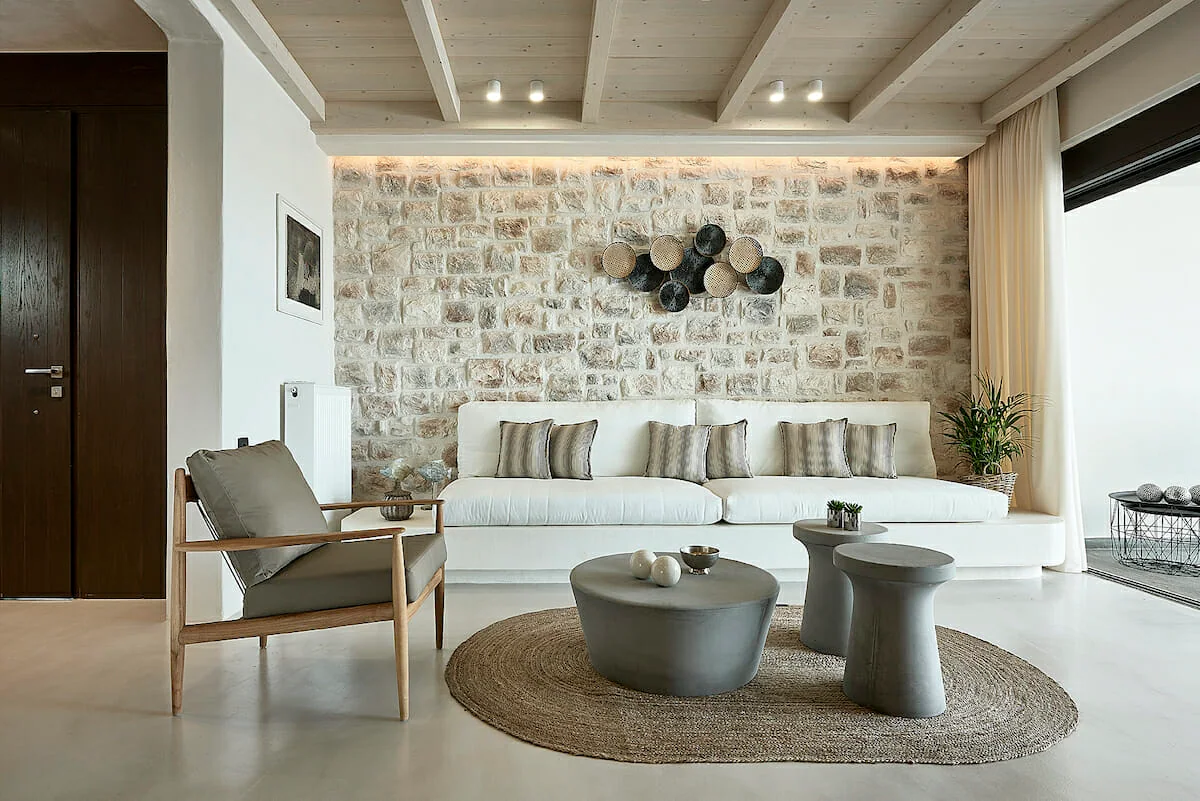
The Defining Characteristics of Balinese House Design
Harmony with Nature
The concept of harmonisation with nature forms the foundational character of Balinese-style architecture. The use of natural materials such as stone, carved wood, and bamboo creates harmony between humanity and the environment, as well as a sense of connection between people and their Creator.
Carvings on Stone and Wood
The distinctive carvings of Balinese style, inspired by Hindu Majapahit influences, are a unique architectural element. Originally used in places of worship, these carvings have over time become a defining feature of the Balinese home aesthetic.
Neat Spatial Zoning
The Tri Angga zoning principle, with its three tiers of Utama (primary), Madya (middle), and Nista (lower), creates a balanced distribution of space. Applied in a modern context: the garden as public space, the terrace as semi-public area, and the bedroom as private space.
Need Professional Video Content in Bali?
Villo Studio — a video production studio in Canggu, Bali. We help businesses create professional podcasts, social media videos, product photography, and creative content.
villostudio.com | Canggu, Bali