



Property investment is indeed profitable and tends to hold a stable value. However, do not choose blindly. First, learn about the types of property that are worth investing in, along with their advantages and disadvantages.
Choosing the right property for investment is a crucial step in building wealth. Each type of property has its own advantages and disadvantages, so it is important to understand the factors to consider before investing.
This article takes a deeper look at 6 examples of property types that are generally considered profitable for investment, along with an in-depth analysis of the benefits, drawbacks, and success tips for each.
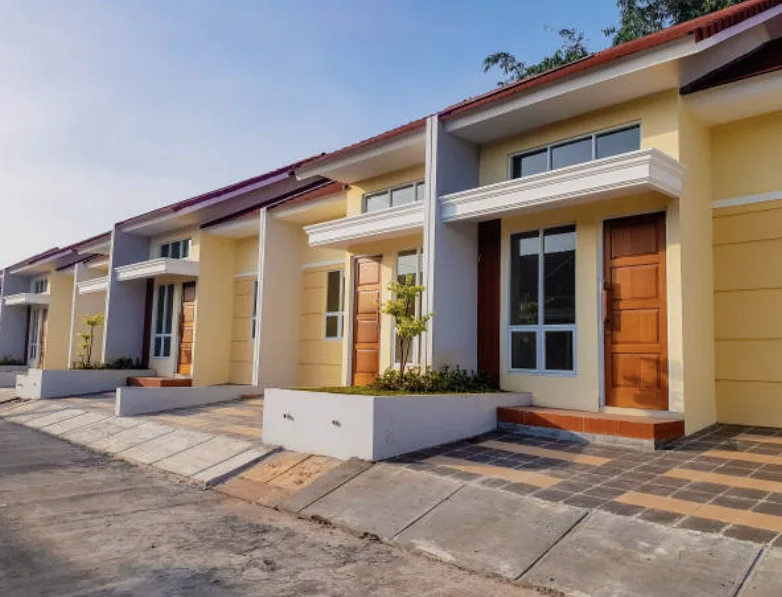
1. Landed House: A Classic Property Investment with Stable Value
A landed house is a classic property choice that is always in demand, particularly in Indonesia. This high demand is driven by several factors, such as:
Population growth: A rising population increases the need for housing.
Urbanisation: The movement of people from rural areas to cities drives demand for housing in urban areas.
The desire to own a private home: Indonesian society has a strong preference for owning their own home.
Advantages of Investing in a Landed House:
Asset value tends to be stable and appreciates over time: History shows that the value of landed houses generally increases steadily over the long term.
High rental potential: A landed house can be rented out to generate a stable passive income.
Suitable for long-term investment: A landed house is ideal for long-term investment as its value tends to increase over time.
Can be used as a personal residence: In addition to being an investment, a landed house can also be lived in by the owner.
Disadvantages of Investing in a Landed House:
Requires a large initial capital: Purchasing a landed house generally requires significant upfront capital, including a down payment, mortgage costs, and renovation expenses.
More complex maintenance and upkeep: A landed house requires more complex maintenance and upkeep compared to other property types.
Lower liquidity compared to other properties: Compared to assets such as gold or shares, landed houses have lower liquidity, meaning they take longer to sell.
Tips for Successful Landed House Investment:
Choose a strategic location: Select a landed house in a strategic location with easy access to public facilities and adequate infrastructure.
Consider the condition of the property: Make sure the property is in good condition and well maintained.
Conduct market research: Research the market to find out the going price of properties in your chosen location.
Assess your financial capacity: Make sure you have the financial capacity to purchase and maintain the property.

2. Apartment: A Practical and Modern Home with Complete Facilities
Apartments are an attractive option for those seeking a practical and modern home in an urban area. Apartments are usually well located and close to various public facilities, such as shopping centres, schools, hospitals, train stations, and bus stops.
Advantages of Investing in an Apartment:
Relatively more affordable than a landed house in the same location: Apartments are generally more affordably priced than landed houses in the same area.
Easier maintenance and upkeep: Apartment maintenance is generally easier as it is managed by the building management team.
Complete facilities and guaranteed security: Apartments are usually equipped with various amenities, such as a swimming pool, garden, gym, and 24-hour security.
High rental potential: Apartments have high rental potential, especially in strategic locations.
Disadvantages of Investing in an Apartment:
More limited living space: Apartments generally offer less living space compared to landed houses.
Monthly service charge (IPL): Apartment residents must pay a monthly service charge (IPL) to cover the building’s operational and maintenance costs.
Stricter rules and regulations: Apartments have stricter rules and regulations compared to landed houses.
Less privacy: Living in an apartment means less privacy compared to living in a landed house.
Tips for Successful Apartment Investment:
Choose the right location: Select an apartment in a strategic location with easy access to public facilities.
Consider the facilities on offer: Choose an apartment that offers facilities that meet your needs.
Be aware of the rules and regulations: Make sure you understand the rules and regulations that apply in the apartment.

3. Shop-House (Ruko): A Combination of Residence and Business with Dual Income Potential
A ruko (shop-house) is a combination of a residence and a commercial space, making it suitable for small and medium enterprises (SMEs) or for renting out to various types of businesses.
Advantages of Investing in a Shop-House:
Dual income potential: A ruko has dual income potential from both rental and business operations.
Asset value tends to be stable and appreciates over time: The value of a ruko generally increases steadily over the long term.
Suitable for long-term investment: A ruko is ideal for long-term investment as its value tends to increase over time.
Flexible use: A ruko can be used for a variety of purposes, such as running your own business, renting it out, or a combination of both.
Disadvantages of Investing in a Shop-House:
Requires a large initial capital: Purchasing a ruko generally requires significant upfront capital, including a down payment, mortgage costs, and renovation expenses.
Strategic locations are not always easy to find: Finding a ruko in a strategic location at an affordable price is not always straightforward.
Intense business competition: Business competition in shop-house areas can be fierce, requiring the right strategy to attract customers.
Tips for Successful Shop-House Investment:
Choose a strategic location: Select a ruko in a strategic location with easy access to main roads and busy areas.
Research suitable business types: Research the types of businesses most suited to operating in that location.
Calculate costs carefully: Make sure you can cover the rental costs, operating costs, and other expenses.
Develop an effective marketing strategy: Create an effective marketing strategy to attract customers to your business.

4. SOHO (Small Office Home Office): Flexibility to Work and Live
A SOHO is a residence equipped with a small workspace, making it ideal for professionals who want to work from home or startup entrepreneurs.
Advantages of Investing in a SOHO:
Flexible use: A SOHO can be used simultaneously as a home and a workspace.
Saves time and transport costs: Working from a SOHO saves time and transport expenses.
Improves work productivity: Working in a comfortable environment can boost productivity.
High rental potential: SOHOs have high rental potential, especially in strategic locations.
Disadvantages of Investing in a SOHO:
Limited living space: SOHOs generally offer less space compared to landed houses.
Disruption between work and personal life: Working in a SOHO can cause interference between professional activities and personal life.
Difficulty separating privacy from work: Working in a SOHO can make it hard to maintain a clear boundary between work and private life.
Tips for Successful SOHO Investment:
Choose a strategic location: Select a SOHO in a strategic location with easy access to public facilities.
Consider the design and layout: Make sure the design and layout of the SOHO suits your needs.
Keep your workspace tidy: Organise your workspace neatly and comfortably to improve productivity.
Maintain a work-life balance: It is important to maintain a healthy balance between work and personal life to avoid stress.
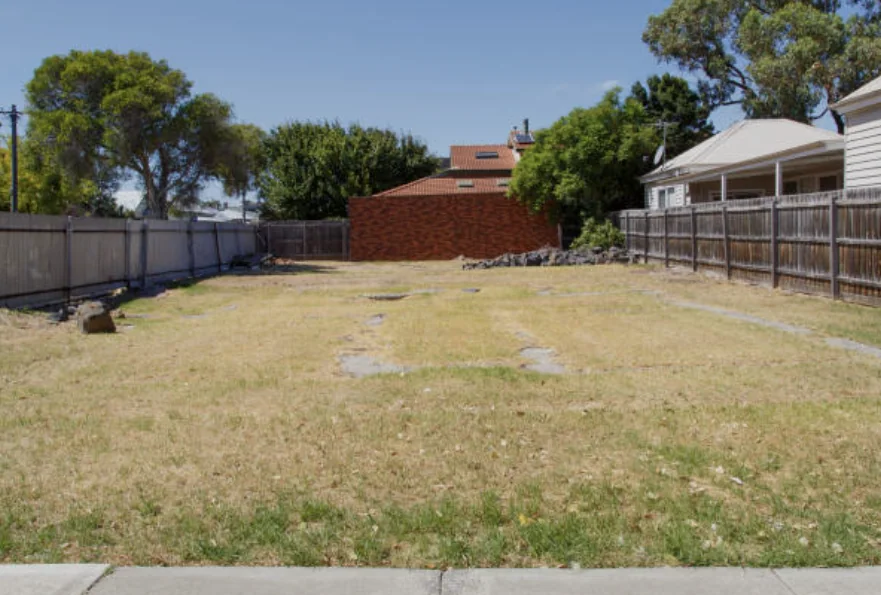
5. Land Plot: A Long-Term Investment with High Appreciation Potential
A land plot is the right investment choice for those who want to own a land asset in a developing location.
Advantages of Investing in a Land Plot:
High value appreciation potential: The value of land plots generally increases significantly over the long term.
Can be used for various purposes: A land plot can be used for a variety of purposes, such as building a house, a shop-house, or a commercial property.
Relatively easy to manage: A land plot does not require complex maintenance compared to other property types.
Minimal upkeep: A land plot requires little maintenance and carries minimal risk of damage.
Disadvantages of Investing in a Land Plot:
Takes a long time to generate returns: It takes considerable time to generate profit from a land plot investment.
Lower liquidity compared to other properties: Land plots have lower liquidity than other properties, meaning they take longer to sell.
Risk of land disputes: Land plot investment carries a risk of land disputes that must be carefully considered.
Tips for Successful Land Plot Investment:
-
Choose a strategic location: Select a land plot in a strategic location with high development potential.
-
Check the land’s legal status: Ensure the legal status of the land plot you intend to purchase is sound.
-
Conduct market research: Research the market to find out the going price of land plots in your chosen location.
-
Be patient: Land plot investment takes a long time to generate returns, so patience is essential.
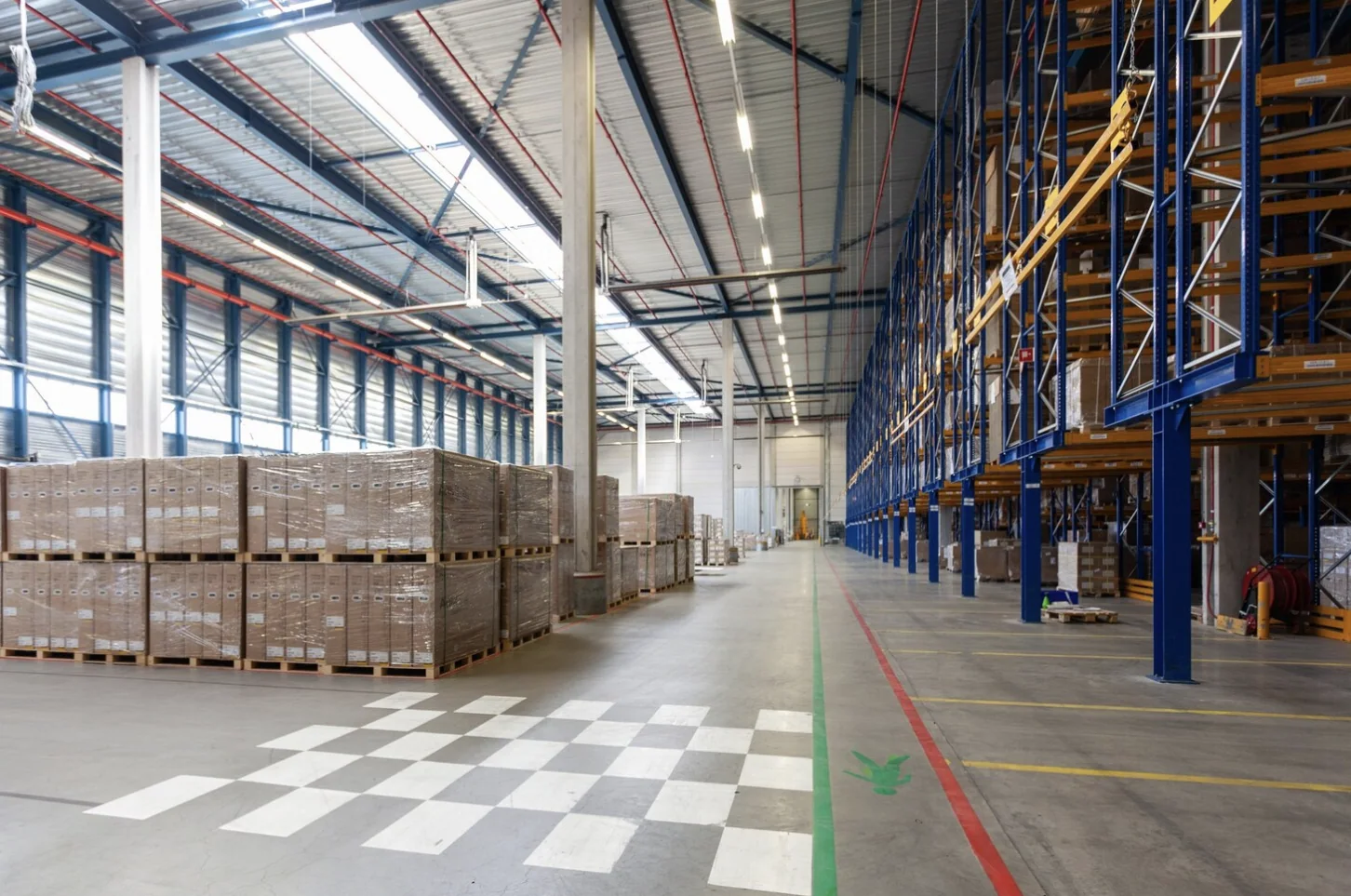
6. Warehouse: Stable Investment with Consistent Rental Demand
Warehouses are an attractive investment option for companies that need storage space.
Advantages of Investing in a Warehouse:
Stable rental demand: Demand for warehouse rental tends to be stable as many companies require storage space.
High income potential: Warehouses have high rental income potential, especially in industrial areas.
Stable asset value: The asset value of a warehouse tends to remain stable over the long term.
Suitable for long-term investment: A warehouse is ideal for long-term investment as its value tends to be stable and rental demand is consistent.
Disadvantages of Investing in a Warehouse:
Requires a large initial capital: Purchasing a warehouse generally requires significant upfront capital, including a down payment, mortgage costs, and renovation expenses.
Occupancy is not always guaranteed: There is no guarantee that a warehouse will always be rented, so there is a risk of vacancy that can reduce income.
Intense competition: Competition in the warehousing business can be fierce, requiring the right strategy to attract tenants.
Tips for Successful Warehouse Investment:
Choose a strategic location: Select a warehouse in a strategic location with easy access to main roads and industrial areas.
Consider the type of business to be stored: Think about what type of business will be using the warehouse for storage.
Ensure the warehouse is in good condition: Make sure the warehouse is in good condition and well maintained.
Offer a competitive rental price: Offer a competitive rental rate to attract tenants.
Choosing the right property for investment is an important decision that requires careful consideration. Each type of property has its own advantages and disadvantages, so it is vital to understand the factors involved before committing to an investment.
Before investing, it is important to conduct thorough market research, consider your investment goals, and select a property that matches your risk profile. Consult with property and financial experts to receive the right advice and make sound investment decisions.
Remember that all investment carries risk, so it is important to invest wisely and never use money you cannot afford to lose.
Need Professional Video Content in Bali?
Villo Studio — a video production studio in Canggu, Bali. We help businesses create professional podcasts, social media videos, product photography, and creative content.
villostudio.com | Canggu, Bali