

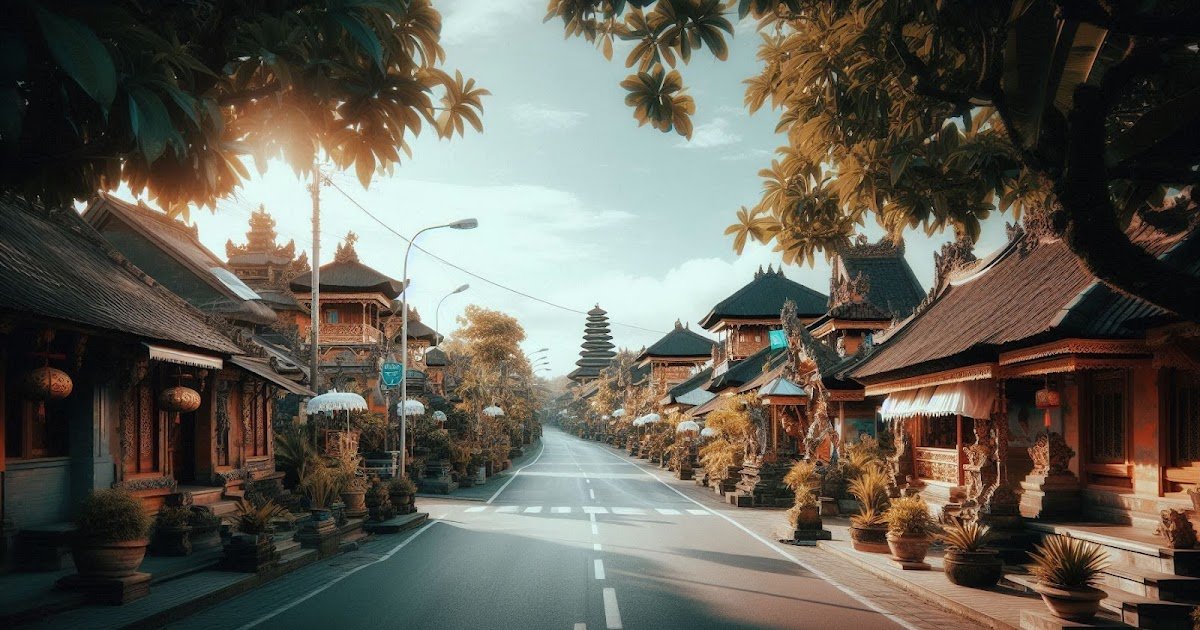
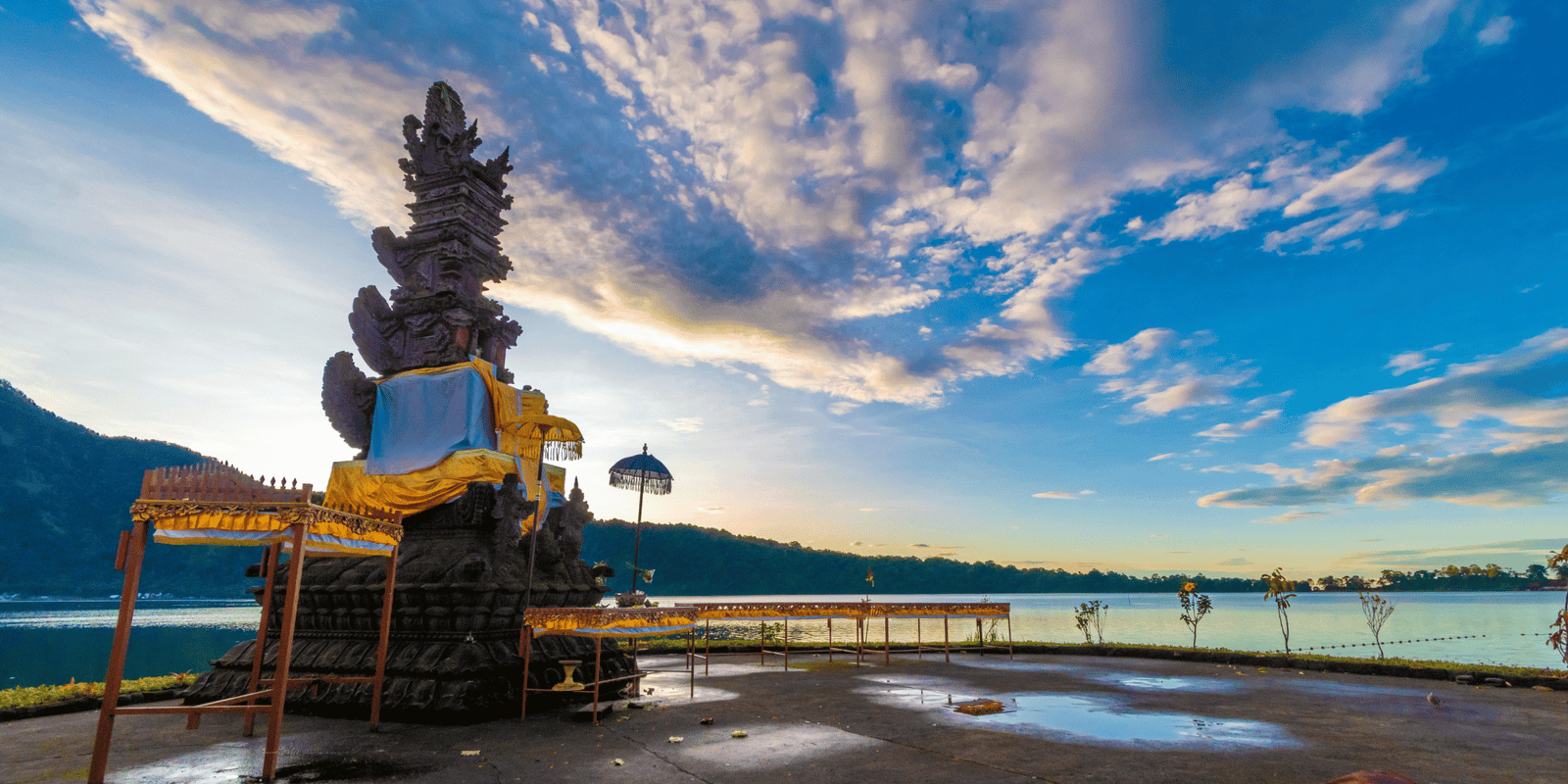
There is one day each year when Bali transforms completely. The motorbikes disappear. The beach clubs go quiet. The streets are empty. Even the international airport closes. That day is Nyepi, Bali’s sacred Day of Silence — and it is unlike any other New Year celebration in the world.
If you’re planning a trip to Bali or simply curious about Balinese culture, understanding Nyepi will give you a deeper appreciation of the island beyond its sunsets and surf breaks.
Also read:
How to Monetize a Podcast: Proven Ways to Turn Listeners Into Revenue
Filming Mistakes That Ruin Editing — And How to Prevent Them Early
Mobile gaming industry growth in Indonesia
Nyepi is the Balinese Hindu New Year, observed according to the Saka lunar calendar. But unlike New Year celebrations in most parts of the world — filled with fireworks, countdowns, and loud festivities — Nyepi is about the exact opposite: silence, stillness, and self-reflection. For 24 hours, the entire island pauses. There is no travel, no work, no entertainment, and minimal use of light or electricity. It is a day dedicated to introspection, prayer, meditation, and spiritual reset.
For the Balinese people, Nyepi is not simply a public holiday. It is a sacred moment to cleanse the mind, reflect on the past year, and prepare spiritually for the year ahead.
What’s the meaning behind this silence? Nyepi is rooted in the Balinese belief in maintaining balance between positive and negative forces. By making the island appear empty and silent, it is believed that negative spirits will pass over Bali, thinking it is uninhabited.
But beyond spiritual symbolism, Nyepi also carries modern significance. For one day, emissions drop dramatically. The skies clear. Nature rests. The environment gets a brief pause from tourism and traffic.
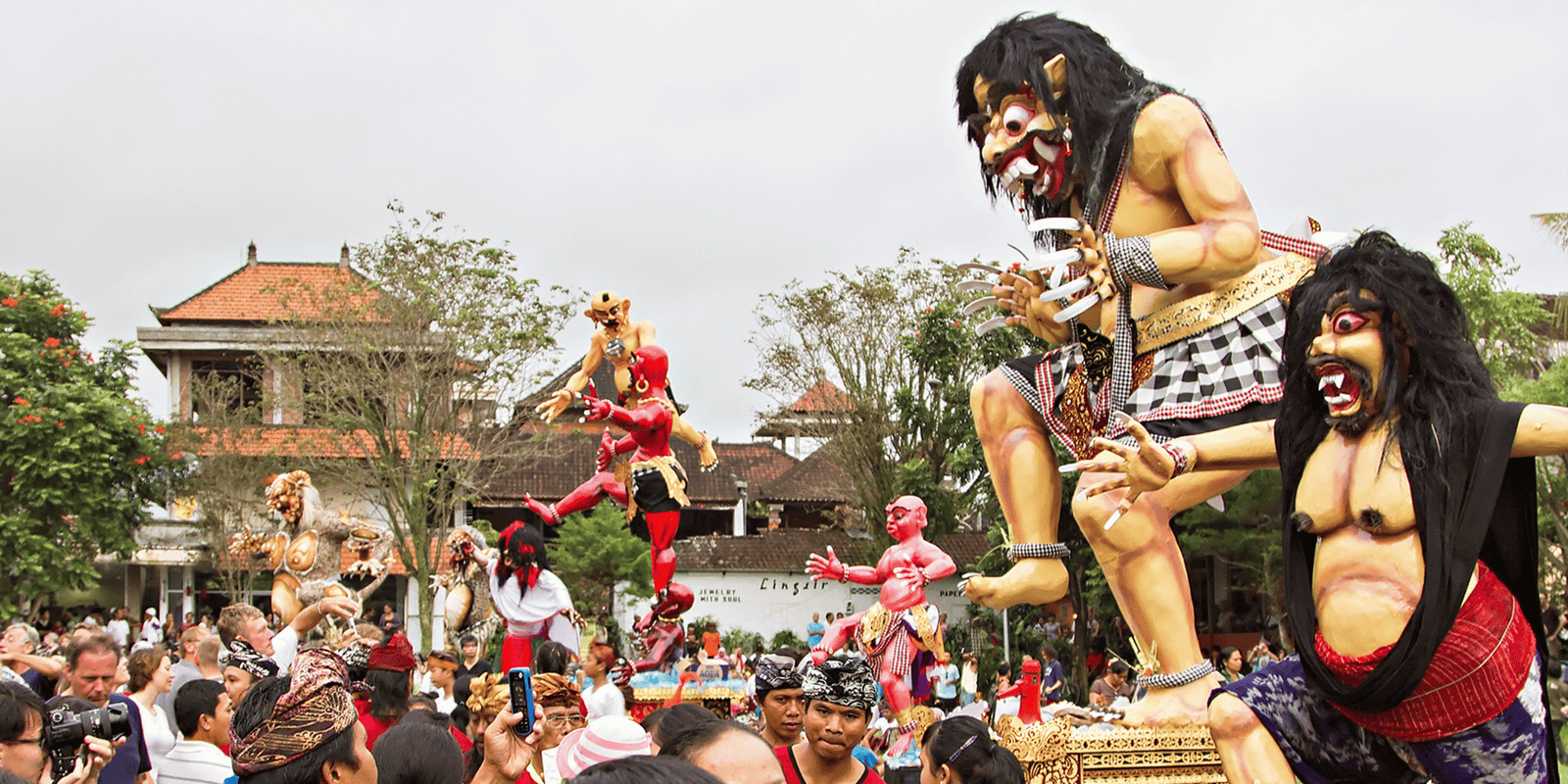 What makes Nyepi even more powerful is the dramatic contrast between the night before and the day itself.
On the eve of Nyepi, villages across Bali hold the Ogoh-Ogoh parade. Giant, elaborately crafted demon statues are carried through the streets accompanied by loud music, cheering crowds, and fiery torches. The atmosphere is electric. The Ogoh-Ogoh represent negative energies and harmful spirits that must be driven away.
Later that night, many of these statues are burned in symbolic purification.
And then, at 6:00 AM the next morning, everything stops.
The island that was alive with sound and color just hours before falls into complete silence.
The essence of the Nyepi celebration is Catur Brata Penyepian, which is the four restrictions for Hindus in celebrating Nyepi Day. These prohibitions include:
This means no motorbikes on the roads, no open shops, no beach visits, and no nightlife. Even Ngurah Rai International Airport closes for 24 hours, which makes no flights arrive or depart.
Traditional community security officers, known as Pecalang, quietly patrol neighborhoods to ensure the rules are respected. Their presence reflects how deeply rooted and collectively honored this tradition is.
By following the aforementioned principles, Balinese Hindus believe that they can cleanse themselves as well as the island, creating peace as a first step in the new year.
For one full day, Bali feels like a different world.
If you happen to be in Bali during Nyepi, you will experience the same silence as everyone else.
Visitors must remain inside their hotel or villa for the full 24 hours. There are no taxis, no ride-hailing apps, and no restaurant hopping. Hotels operate quietly with limited services, and guests are expected to minimize noise and lighting at night.
At first, the idea can feel restrictive but many travelers end up describing Nyepi as the most memorable day of their trip.
Without traffic noise or artificial lights, the island feels deeply peaceful. At night, if the sky is clear, the stars appear brighter than usual due to the lack of light pollution. The usual buzz of Bali fades, revealing something raw and grounding underneath.
It becomes a rare opportunity to disconnect, not because you choose to, but because the entire island does.
If you’re looking for parties and nightlife, Nyepi might surprise you. But if you’re open to experiencing Bali beyond its surface-level attractions, Nyepi can be deeply meaningful.
It requires planning. You cannot schedule flights on that day, and you should prepare food and essentials in advance. But in return, you get something rare: a full day of uninterrupted quiet in one of the world’s busiest travel destinations.
Nyepi reminds us that celebration does not always have to be loud. Sometimes, the most powerful new beginning starts in silence.
Nyepi stands out globally for several reasons.
First, it is one of the only holidays in the world where an entire region — including an international airport — completely shuts down. The closure of Ngurah Rai International Airport highlights the scale of the observance.
Second, the silence is enforced not by police, but by community cooperation and cultural respect. The presence of Pecalang reflects traditional village authority rather than modern law enforcement.
Third, the environmental impact is noticeable. With no traffic and minimal electricity use, air pollution drops significantly, and noise pollution disappears. Many locals describe Nyepi as a day when nature feels restored.
Finally, Nyepi offers something rare in modern travel: total digital and physical disconnection. With reduced internet speeds in some areas and no outside movement allowed, it becomes a genuine opportunity to pause in a world that rarely stops.
At night, the lack of artificial light creates exceptionally clear skies. On a cloudless evening, the stars above Bali are far more visible than usual — a natural spectacle created by stillness.
For travelers seeking a unique cultural experience, Nyepi can be unforgettable. It requires preparation — especially regarding flights, supplies, and expectations — but it offers a perspective of Bali that few tourists experience.
Nyepi is more than a holiday. It is a powerful reminder of balance, reflection, and renewal. In one of the world’s most vibrant destinations, silence becomes the main event.
So, are you ready to have a ‘silent’ day in Bali?