
Home / Master your lighting with professional video solutions
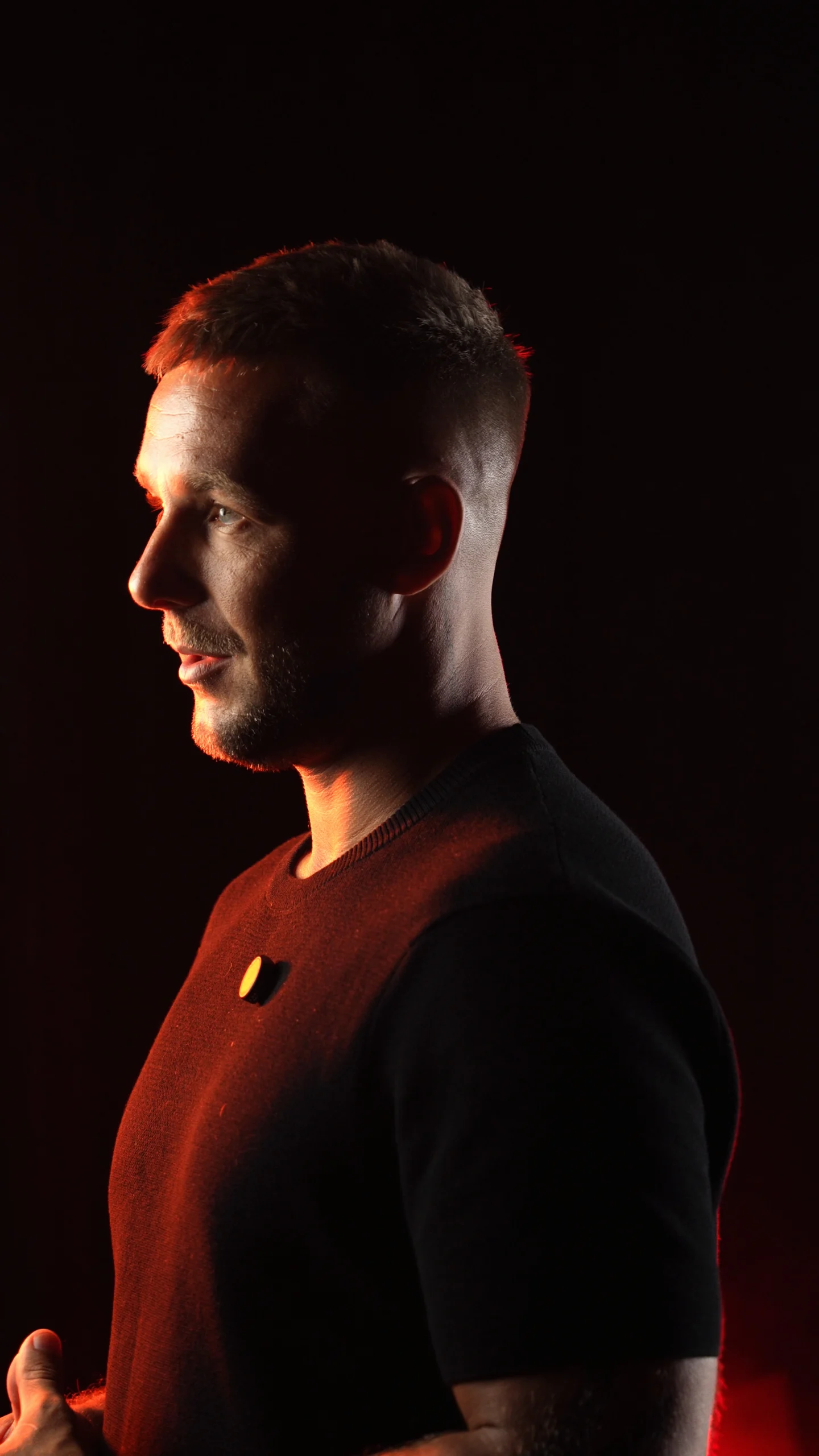
Lighting is the foundation of every successful video. Whether you are shooting a commercial, a documentary, or a YouTube vlog, mastering studio light can dramatically improve your visual quality and completely transform how your audience experiences your content. The right lighting does not just make the picture look better — it creates atmosphere, highlights the details that matter most, and ensures that your subject always appears at their very best. In this detailed guide, we break down the essentials of studio lighting, share practical techniques, and help you understand which equipment to choose for consistently professional results.
Studio lighting is, above everything else, about control. Unlike natural light — which shifts with weather, time of day, and season — studio light can be shaped, directed, and adjusted to serve your exact creative vision. Nothing in the frame is accidental; every shadow, highlight, and colour cast is the result of a deliberate decision. The starting point for developing that control is the three-point lighting setup: the foundational technique used by professional videographers and cinematographers around the world to build depth, dimension, and visual interest into any scene.
The three-point system consists of three distinct light sources, each with a specific role:
Used together and adjusted thoughtfully, these three sources can transform a flat, lifeless image into something dynamic, textured, and visually compelling. The beauty of this system is its flexibility — by varying the intensity, angle, and distance of each source, you can create an enormous range of moods and aesthetics within the same physical space.
Understanding the three-point system is the first step — applying it effectively on set is where the real skill develops. Small adjustments in how you position and configure your lights can make the difference between an image that looks professional and one that gives away an amateur setup. The following practical principles will help you build good habits from the very beginning and avoid the most common lighting mistakes.
By adjusting the intensity, angle, and distance of each light source independently, you gain full creative control over how the scene is perceived — and that control is what separates intentional, professional-looking video from content that simply looks like it was shot in whatever light was available.
Investing in the right equipment is what makes quality lighting repeatable and reliable. You do not need to buy everything at once — building your kit gradually and prioritizing intelligently is a perfectly valid approach. The key is understanding what each piece of equipment does so you can make informed decisions about where your budget delivers the most value. Here are the core tools used in professional video lighting setups:
When selecting equipment, always factor in the size of your shooting space, your available budget, and the type of content you produce most frequently. A compact interview setup has very different requirements from a full product commercial, and building a kit that genuinely serves your specific use cases will take you further than chasing the most expensive gear.
LED light sources have become the dominant technology in professional video production for several compelling reasons. Compared to older tungsten and fluorescent fixtures, LEDs run significantly cooler, consume far less energy, and last considerably longer — all of which reduce both running costs and on-set heat, particularly important during longer shoots. But the real advantage of LED for video work is flexibility: the ability to dial in both brightness and colour temperature with precision makes them adaptable to an enormous range of shooting conditions, from mixed indoor-outdoor environments to controlled studio setups where consistency between takes is critical.
The best LED fixture for your production depends on what you are shooting and where. The main types you will encounter each serve a different purpose:
Key specifications to check before purchasing any LED fixture include smooth dimming performance without flicker at low brightness, battery power compatibility for location work, and modifier compatibility — fixtures that accept standard Bowens-mount or magnetic modifiers give you significantly more creative options than proprietary systems.
Once you have a solid command of the fundamentals, there are several more refined techniques that will add sophistication and intentionality to your setups. These approaches are used consistently by experienced cinematographers to push images beyond technically correct into genuinely compelling — and most of them require no additional equipment, only a more deliberate way of thinking about the light already in your frame.