


Indonesia’s real estate market is undergoing a seismic shift, driven by the rapid adoption of digital technologies. The impact of digital technology on the Indonesian real estate market from virtual tours to blockchain is evident. From artificial intelligence to virtual reality tours, blockchain, and smart contracts, these technologies are reshaping the industry, effecting transformative changes in property search, transactions, and overall market expansion.
According to Temasek, the digital economy in Southeast Asia is growing by an impressive 11% year-on-year (YoY). Among the beneficiaries of this growth, the real estate industry stands out. The proliferation of data centers signals the sector’s growing dependence on digital technology. However, the sector still grapples with regulatory uncertainties.
Virtual reality tours, augmented reality, artificial intelligence, and blockchain technology are the primary digital trends shaping the Indonesian real estate market. These technologies not only enhance the property search and viewing experience but also streamline operations, improve transparency, and bolster security.
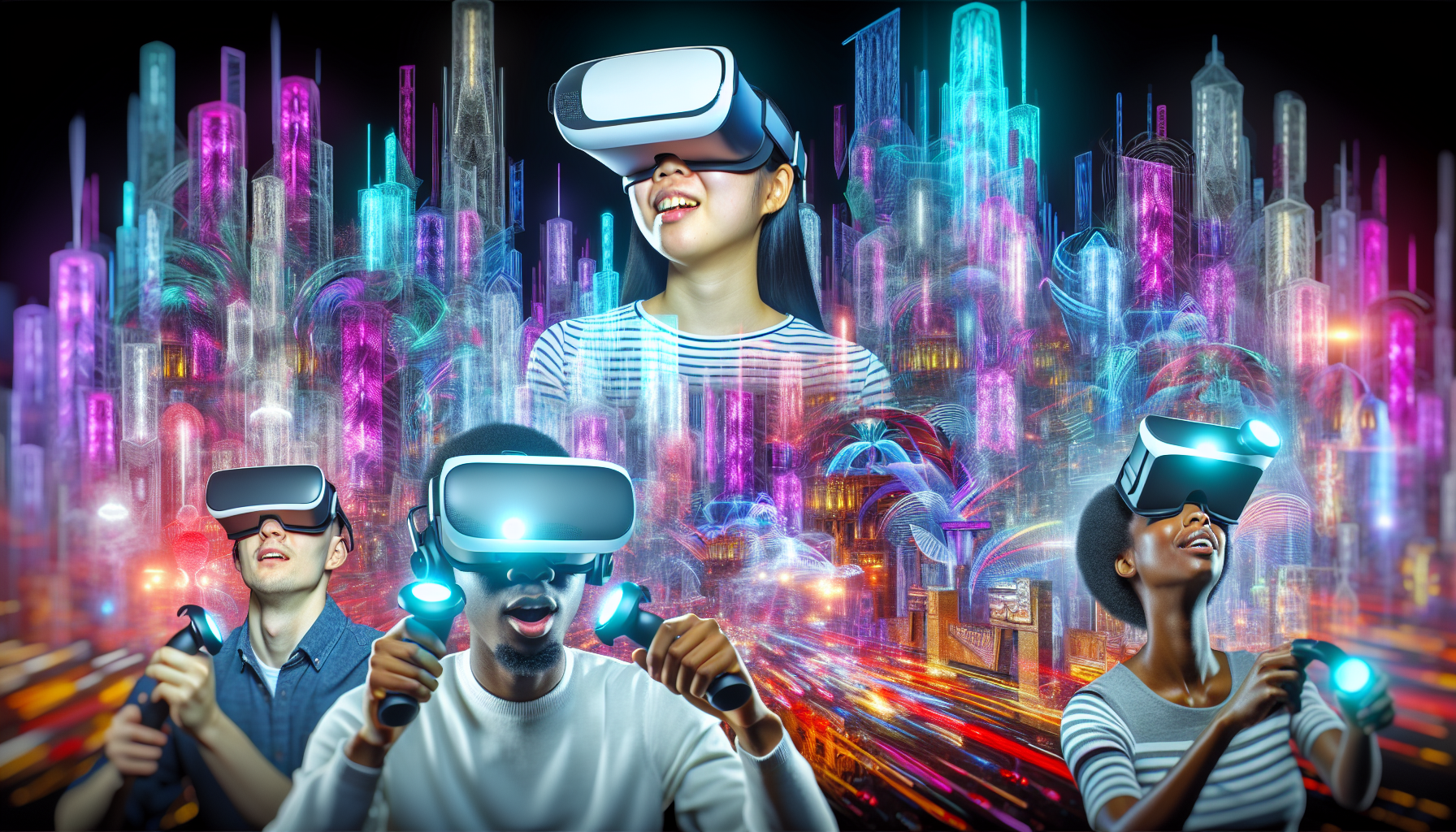
Prospective buyers in Indonesia can now explore properties from any location, thanks to the revolutionary impact of virtual reality tours on the property viewing experience. This technology offers immersive experiences and lifelike depictions of property layouts and designs, significantly reshaping the real estate industry in the country.
Platforms commonly utilized in the Indonesian real estate industry include:
These platforms offer potential buyers an immersive experience of property spaces, thus saving time and costs involved in physical property tours and enhancing the property selection process.

The transformation of the real estate sector in Indonesia owes much to the instrumental role of artificial intelligence. It automates tasks, streamlines administrative processes, and provides valuable insights, thereby improving efficiency. AI can manage operations such as:
This reduces the time spent on tasks and allows real estate professionals to focus on more strategic activities. By utilizing AI, the real estate industry is able to optimize its operations.

Offering transparency, security, and efficiency, blockchain technology is radically altering the real estate sector. It mitigates fraud risks, ensures accurate record-keeping, and fosters trust among transaction participants. Moreover, the emergence of non-fungible tokens (NFTs) holds the potential to revolutionize property ownership and transactions in the future.
Implementing blockchain technology in the real estate sector has several advantages, including:
Despite its potential, it’s currently underutilized, with a primary focus on land administration. But as the technology matures and gains wider acceptance, it’s poised to disrupt traditional real estate transaction processes.

Consumer behavior and expectations in the real estate sector have been significantly reshaped by the digital age. Buyers now expect heightened efficiency across the real estate ecosystem, with technology playing a crucial role in meeting these expectations. The internet and digital platforms have not only improved the efficiency of transactions but also provided buyers with:
These advancements have enabled more informed decision-making and a smoother overall buying process.
Consumers in Indonesia are increasingly seeking innovative technology-enabled services. Platforms that offer map-based property search solutions are in high demand. These services have profoundly impacted the real estate market, contributing to significant transformations in the sector.
For Indonesian real estate buyers, the decision-making process has been revolutionized by access to data-driven insights. Platforms like Datasense by PropertyGuru Group offer the following benefits:
These tools provide valuable information to help buyers make informed decisions in the real estate market. The utilization of data-driven decision-making can improve investment choices, reduce investment risks, and enhance buyer satisfaction. It minimizes guesswork and leverages AI for valuable insights.
The potential to transform the industry lies in the integration of smart contracts and blockchain technology in real estate transactions. These digital solutions can remove bottlenecks and expedite the real estate transaction process, offering significant potential for industry growth.
However, obstacles such as technical difficulties, industry reluctance to openly share data, and regulatory uncertainty must be addressed for successful integration.
The role of intermediaries in the real estate industry is evolving in the digital age. Intermediaries must provide guidance to buyers, sellers, and renters in navigating the property market and aiding buyers in locating properties. They must also adjust to the rise of online real estate marketplaces and property listing platforms.
Intermediaries can add value in a digital and automated market by:
Despite its promise, the integration of smart contracts and blockchain technology in real estate transactions comes with its own set of challenges. Technical limitations, requirements for real-world connections in contractual agreements, and considerations regarding performance and security can impact the application of these technologies. However, overcoming these challenges presents opportunities for increased efficiency and trust in the transaction process.
Industry reluctance can impede the integration of smart contracts, resulting in slower adoption and reduced willingness among stakeholders to accept new technologies. Despite this, industry reluctance also creates opportunities for education and raising awareness about the advantages of smart contracts, addressing any concerns, and fostering adoption.
Investment trends in the Indonesian real estate sector are being significantly influenced by the adoption of digital technology. Technologies that enhance market efficiency, transparency, and accessibility are transforming property transactions and management.
Furthermore, the Ministry of Finance predicts that technology adoption could contribute to potential growth of $2.8 trillion to Indonesia’s economy by 2040, underscoring its significant influence on market expansion and investment opportunities.
By simplifying contract and transaction management processes and offering blockchain technology for real estate tokenization, digital technology enhances liquidity in the Indonesian real estate market. This increases the liquidity of real estate assets, improves transparency, and has the potential to lower transaction costs in the market.
Moreover, advanced technologies such as AI, drones, and Building Information Modeling (BIM) are being used to forecast operational and maintenance costs, predict sales outcomes, maintain quality, and contribute to improving liquidity in the Indonesian real estate market.
Property values are favorably affected by the adoption of digital technologies in the real estate sector. Technology has emerged as a key distinguishing element for real estate in smart cities, and these technologies aid in gathering and analyzing pertinent property information, potentially expediting the transaction process.
Increased liquidity and asset management have a positive impact on real estate prices. Evaluating liquidity is crucial for optimizing results for property investment portfolios and ownership income. Holding more cash increases liquidity, and there is a positive correlation between property values and liquidity. Markets with higher and more stable liquidity scores attain higher property values.
Insight into the successful implementation of digital technologies in the Indonesian real estate market comes from case studies. From virtual tours and online marketplaces to data centers, these effective applications of digital technology have significantly impacted the traditional real estate processes.
Overcoming resistance to change is crucial, as is increasing the supply of affordable housing to address the barrier of unaffordability. Effective strategies have proven successful in addressing these obstacles, including:
Indonesia has seen a number of groundbreaking projects that showcase the potential of digital technology. These include:
These pioneering projects have had a considerable influence on the industry, fostering foreign investment through legislative changes such as the Omnibus Law and addressing housing demand with initiatives focused on offering affordable homes.
Despite the significant potential of digital technologies, adopting them in the real estate sector is not without its challenges. These challenges include:
However, real estate companies in Indonesia have tackled these challenges through initiatives facilitated by the Ministry of Communications and Informatics. These initiatives are designed to bridge the digital skills gap and promote a seamless integration of digital technologies in the real estate sector.
For professionals guiding their way through the future of the Indonesian real estate market, it is crucial to keep up to date with technologies that enhance market efficiency, transparency, and accessibility. Technologies which are rapidly transforming the industry:
Moreover, a variety of technology training opportunities are accessible for real estate professionals in Indonesia. These include courses offered by:
These training opportunities enhance industry knowledge, promote career progression, and help professionals stay updated on the latest tech trends.
Given the rapid pace of technological advancements, staying informed about the latest tech trends is imperative for professionals in the real estate industry.
To stay informed about these trends, professionals can:
In the evolving real estate market, it is crucial to embrace change and innovation. Professionals can employ the following strategies to adjust to the changes brought about by digital technology:
Continuous learning is also pivotal in embracing change and innovation within the real estate industry. It bolsters professionals’ credibility, equips them with knowledge to cultivate trust with clients, and ultimately propels them toward success.
As we’ve seen, the rapid digital transformation of the Indonesian real estate sector is reshaping the industry landscape. From enhancing property search and transactions to boosting market expansion, digital technology is proving to be a game-changer. However, it’s crucial for industry professionals to stay informed about emerging technologies and embrace change and innovation to remain competitive.