
Home / How to Choose the Perfect Video Studio for Your Next Project
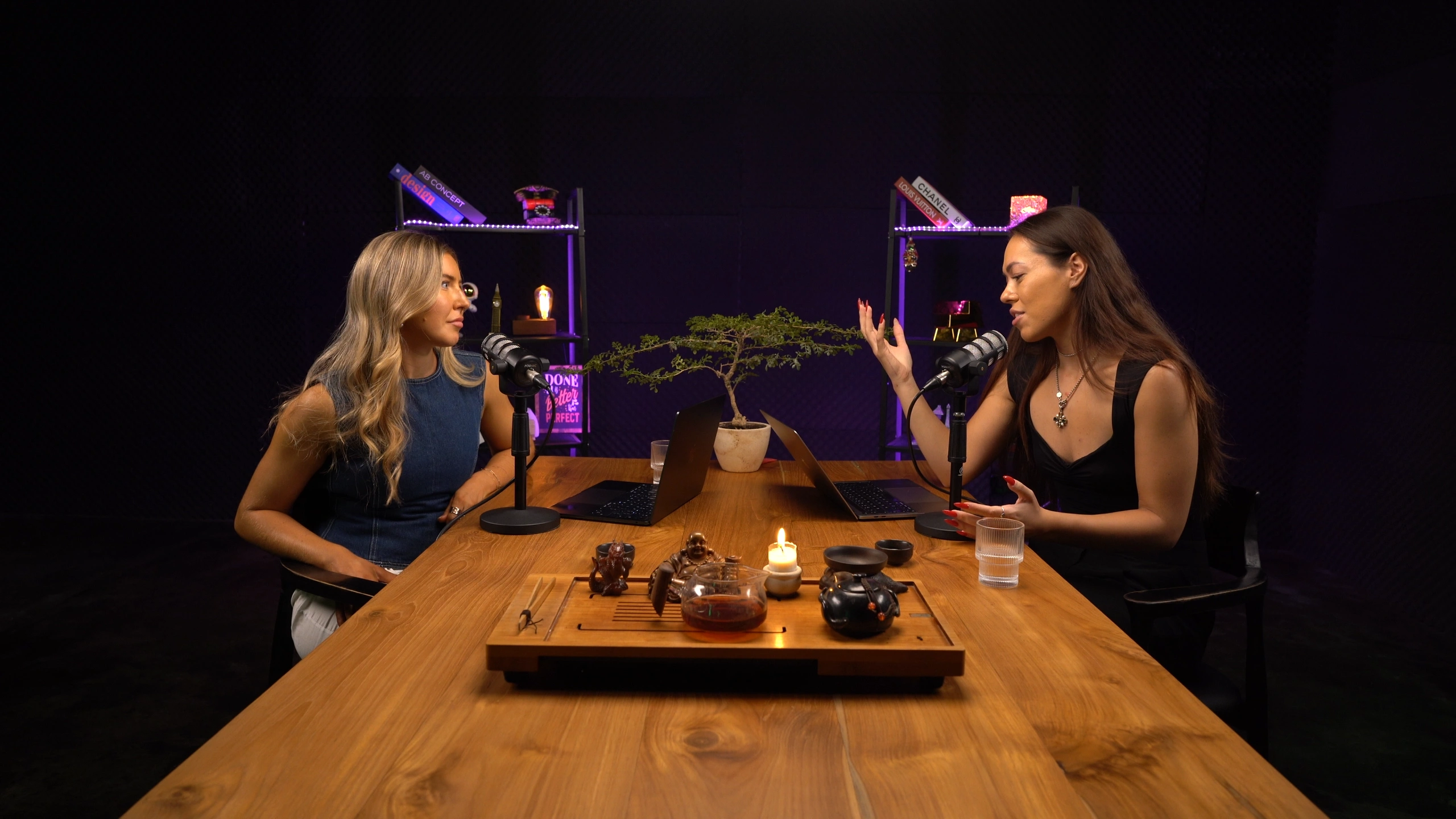
<h1><span style=”font-weight: 400;”>How to Choose the Perfect Video Studio for Your Next Project</span></h1>
<span style=”font-weight: 400;”>According to Wyzowl’s 2024 report, 91% of businesses use video as a marketing tool, and 88% of marketers consider video content a key part of their strategy. The numbers speak for themselves: video is not a trend — it is the standard. And the quality of that video begins long before you press “Record” — it starts with choosing the right studio.</span>
<span style=”font-weight: 400;”>A well-equipped and thoughtfully designed studio doesn’t just improve picture and sound quality — it streamlines the entire production process. Yet choosing from the sea of available options can overwhelm even a seasoned producer.</span>
<span style=”font-weight: 400;”>In this article, we outline 9 key criteria that will help you find a studio perfectly suited to your project, budget, and ambitions.</span>
<b>Also read:</b>
<a href=”https://villostudio.com/en/post/post-production-perfection-how-editing-transforms-your-content/”><b>Post-Production Perfection: How Editing Transforms Your Content</b></a>
<a href=”https://villostudio.com/en/post/how-podcasts-can-attract-more-collaboration-opportunities/”><b>How Podcasts Can Attract More Collaboration Opportunities</b></a>
<a href=”https://villostudio.com/en/post/essential-equipment-for-a-professional-podcast/”><b>Essential Equipment for a Professional Podcast</b></a>
<h2><span style=”font-weight: 400;”>1. Understand Your Project’s Needs</span></h2>
<span style=”font-weight: 400;”>Before opening studio catalogs, ask yourself a few key questions. The answers will drastically narrow your search:</span>
<ul>
<li style=”font-weight: 400;” aria-level=”1″><span style=”font-weight: 400;”>🎬 <b>Content type:</b> commercial, corporate video, interview, podcast, product demo?</span></li>
<li style=”font-weight: 400;” aria-level=”1″><span style=”font-weight: 400;”>📐 <b>Scale:</b> how many people on camera and behind it? Do you need room for sets or props?</span></li>
<li style=”font-weight: 400;” aria-level=”1″><span style=”font-weight: 400;”>🎨 <b>Style:</b> minimalist white backdrop, creative space, green screen?</span></li>
<li style=”font-weight: 400;” aria-level=”1″><span style=”font-weight: 400;”>🔇 <b>Audio:</b> is professional soundproofing required (critical for podcasts and interviews)?</span></li>
</ul>
<span style=”font-weight: 400;”>💡 <b>Tip:</b> prepare a one-page brief describing your project, equipment needs, and the number of people on set. This will speed up negotiations with any studio.</span>
<h2><span style=”font-weight: 400;”>2. Evaluate Equipment and Technology</span></h2>
<span style=”font-weight: 400;”>Equipment is the foundation of quality. Even a brilliant cinematographer cannot deliver cinematic results with a budget camera under poor lighting. Here is what to look for:</span>
<b>📷 Cameras</b>
<span style=”font-weight: 400;”>The professional standard in 2024–2025 is 4K and above. Look for cameras from the Sony FX series (e.g., FX30, FX6), RED, Blackmagic, or Canon Cinema EOS. Check whether lenses are included in the rental — a set of primes (24 mm, 35 mm, 75 mm) offers far more creative flexibility than a single zoom.</span>
<b>💡 Lighting</b>
<span style=”font-weight: 400;”>Lighting accounts for roughly 50% of video quality. A minimum professional setup includes: softboxes or LED panels for key light, backlight for depth, and fill light to eliminate harsh shadows. A bonus — RGB panels for creative color work.</span>
<span style=”font-weight: 400;”>📊 <b>Fact:</b> according to Brightcove research, viewers are 62% more likely to perceive a brand negatively if its video content has low image and sound quality.</span>
<b>🎙 Audio</b>
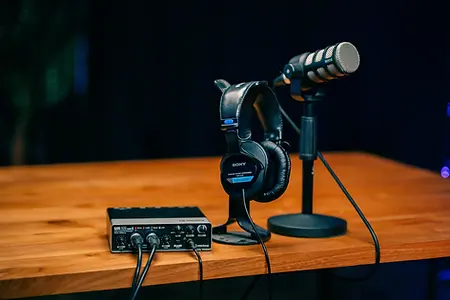
<span style=”font-weight: 400;”>Bad audio destroys even stunning visuals. For dialogue-heavy formats, look for studios with lavalier microphones (RODE, Sennheiser), shotgun mics, and — critically — acoustic treatment: foam panels, bass traps, and diffusers. Without them, even an expensive microphone will record hollow reverb.</span>
<h2><span style=”font-weight: 400;”>3. Check Amenities and Layout</span></h2>
<span style=”font-weight: 400;”>A studio is more than a shooting stage. It is a workspace for the entire team, sometimes for 8–12 hours straight. Comfort directly impacts productivity.</span>
<b>🚶 Working Space</b>
<span style=”font-weight: 400;”>The studio must accommodate not only equipment but also allow the camera and crew to move freely. For interviews, 20–30 m² is sufficient; for dynamic shoots with props, look for 50 m² or more.</span>
<b>💄 Makeup Room</b>
<span style=”font-weight: 400;”>A separate area for hair, makeup, and wardrobe changes is not a luxury — it is a necessity. It saves time and prevents awkward situations on set.</span>
<b>☕ Lounge Area</b>
<span style=”font-weight: 400;”>A comfortable waiting area with coffee and water is a small detail that noticeably lifts morale during long shoots.</span>
<span style=”font-weight: 400;”>💡 <b>Tip:</b> pay attention to ceiling height. Low ceilings (under 3 m / 10 ft) limit overhead lighting options and make the space look cramped on camera.</span>
<h2><span style=”font-weight: 400;”>4. Consider Location and Accessibility</span></h2>
<span style=”font-weight: 400;”>Logistics is one of the most underestimated factors. A studio might be ideal in terms of gear, but if your entire team spends two hours commuting, that eats into your budget and energy.</span>
<ul>
<li style=”font-weight: 400;” aria-level=”1″><span style=”font-weight: 400;”>🅿️ Is there parking (especially for equipment vans)?</span></li>
<li style=”font-weight: 400;” aria-level=”1″><span style=”font-weight: 400;”>🚌 Is public transport accessible?</span></li>
<li style=”font-weight: 400;” aria-level=”1″><span style=”font-weight: 400;”>🌴 If the project involves outdoor scenes — how close are suitable on-location spots?</span></li>
</ul>
<span style=”font-weight: 400;”>📊 <b>Fact:</b> in Bali, for example, a 15 km distance can mean anything from 20 minutes to an hour and a half depending on the time of day and traffic. Choosing a studio in the right area saves hours.</span>
<h2><span style=”font-weight: 400;”>5. Assess Flexibility and Availability</span></h2>
<span style=”font-weight: 400;”>Shoots rarely go exactly as planned. The light shifts, an actor runs late, a scene needs reshooting — an hourly buffer quickly becomes the norm. That is why it is important to clarify in advance:</span>
<ul>
<li style=”font-weight: 400;” aria-level=”1″><span style=”font-weight: 400;”>📅 <b>Booking:</b> can you reserve the studio on short notice?</span></li>
<li style=”font-weight: 400;” aria-level=”1″><span style=”font-weight: 400;”>⏱ <b>Overtime:</b> what is the policy if you exceed your booked time? Is there an hourly extension rate?</span></li>
<li style=”font-weight: 400;” aria-level=”1″><span style=”font-weight: 400;”>🔧 <b>Customization:</b> can you rearrange the space or bring your own equipment?</span></li>
<li style=”font-weight: 400;” aria-level=”1″><span style=”font-weight: 400;”>📦 <b>Packages:</b> are there discounts for long-term rentals or recurring sessions?</span></li>
</ul>
<span style=”font-weight: 400;”>A studio that accommodates unexpected situations is worth its weight in gold.</span>
<h2><span style=”font-weight: 400;”>6. Ask About Post-Production Services</span></h2>
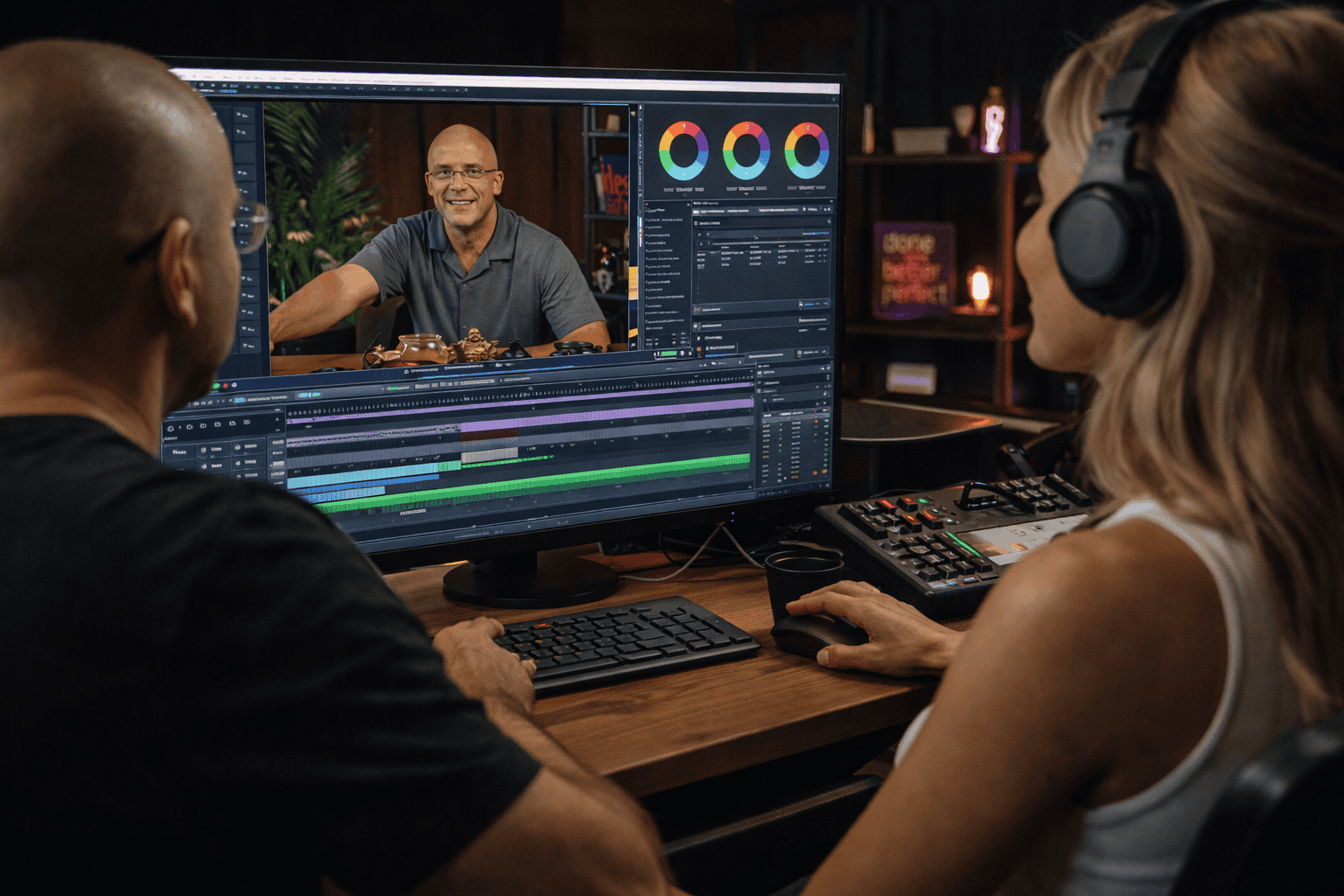
<span style=”font-weight: 400;”>Post-production is where raw footage transforms into a finished product. And if the studio offers these services under one roof, you save not only money but also the time spent coordinating between multiple contractors.</span>
<span style=”font-weight: 400;”>Find out if the following are available:</span>
<ul>
<li style=”font-weight: 400;” aria-level=”1″><span style=”font-weight: 400;”>✂️ professional editing;</span></li>
<li style=”font-weight: 400;” aria-level=”1″><span style=”font-weight: 400;”>🎨 color correction and grading;</span></li>
<li style=”font-weight: 400;” aria-level=”1″><span style=”font-weight: 400;”>🔊 audio mixing and mastering;</span></li>
<li style=”font-weight: 400;” aria-level=”1″><span style=”font-weight: 400;”>✨ motion design and animation.</span></li>
</ul>
<span style=”font-weight: 400;”>📊 <b>Fact:</b> according to HubSpot, professionally color-graded video receives an average of 33% more engagement than content without post-processing. This is not just “enhancing the image” — it is a direct impact on performance metrics.</span>
<h2><span style=”font-weight: 400;”>7. Budget Considerations</span></h2>
<span style=”font-weight: 400;”>Budget is a natural constraint, but cutting corners on the studio often ends up costing more. Reshooting is always more expensive than renting the right space from the start.</span>
<ul>
<li style=”font-weight: 400;” aria-level=”1″><span style=”font-weight: 400;”>💰 Clarify <b>what is included in the price</b> — equipment, lighting, operator, assistant?</span></li>
<li style=”font-weight: 400;” aria-level=”1″><span style=”font-weight: 400;”>📋 Compare <b>at least 2–3 studios</b> on a price-to-functionality basis.</span></li>
<li style=”font-weight: 400;” aria-level=”1″><span style=”font-weight: 400;”>🎁 Ask about <b>package deals</b> — many studios offer 10–20% discounts for booking a series of sessions.</span></li>
</ul>
<span style=”font-weight: 400;”>💡 <b>Principle:</b> invest in what the viewer <i>sees and hears</i> — camera, lighting, sound. These three elements are where you should never cut costs.</span>
<h2><span style=”font-weight: 400;”>8. Read Reviews and Get Recommendations</span></h2>
<span style=”font-weight: 400;”>A beautiful studio website is marketing. The real picture lies in reviews and referrals.</span>
<ul>
<li style=”font-weight: 400;” aria-level=”1″><span style=”font-weight: 400;”>Ask for recommendations from fellow videographers and production companies.</span></li>
<li style=”font-weight: 400;” aria-level=”1″><span style=”font-weight: 400;”>Read reviews on Google Maps, the studio’s social media, and industry forums.</span></li>
<li style=”font-weight: 400;” aria-level=”1″><span style=”font-weight: 400;”>Pay attention to <b>recurring comments</b> — if several people mention poor soundproofing or inconvenient parking, that is a pattern, not a coincidence.</span></li>
</ul>
<h2><span style=”font-weight: 400;”>9. Visit the Studio in Person</span></h2>
<span style=”font-weight: 400;”>No photograph can replace an in-person visit. While there, pay attention to:</span>
<ul>
<li style=”font-weight: 400;” aria-level=”1″><span style=”font-weight: 400;”>👀 the actual size of the space (wide-angle photos on websites can be deceiving);</span></li>
<li style=”font-weight: 400;” aria-level=”1″><span style=”font-weight: 400;”>🔊 background noise levels — clap your hands and listen for echo;</span></li>
<li style=”font-weight: 400;” aria-level=”1″><span style=”font-weight: 400;”>🔌 the number and placement of power outlets;</span></li>
<li style=”font-weight: 400;” aria-level=”1″><span style=”font-weight: 400;”>🤝 the professionalism and responsiveness of the staff.</span></li>
</ul>
<span style=”font-weight: 400;”>💡 <b>Pro tip:</b> ask for a quick test shoot — record a 30-second clip using the studio’s equipment. This will reveal the actual picture and sound quality better than any price list.</span>
<h2><span style=”font-weight: 400;”>Choose Villo Studio for Your Next Project</span></h2>
<span style=”font-weight: 400;”>Choosing a studio is a strategic decision that defines the quality of the final product. If you are looking for a place that combines professional equipment, a thoughtfully designed space, and expert support, <b>Villo Studio</b> in Bali was built for exactly that.</span>
<span style=”font-weight: 400;”>Here is what awaits you:</span>
<ul>
<li style=”font-weight: 400;” aria-level=”1″><span style=”font-weight: 400;”>Sony FX30 Cinema Line cameras (4K);</span></li>
<li style=”font-weight: 400;” aria-level=”1″><span style=”font-weight: 400;”>Samyang lenses (24 mm, 35 mm, 75 mm);</span></li>
<li style=”font-weight: 400;” aria-level=”1″><span style=”font-weight: 400;”>Godox lighting equipment;</span></li>
<li style=”font-weight: 400;” aria-level=”1″><span style=”font-weight: 400;”>Manfrotto tripods;</span></li>
<li style=”font-weight: 400;” aria-level=”1″><span style=”font-weight: 400;”>modern soundproofing and professional audio gear;</span></li>
<li style=”font-weight: 400;” aria-level=”1″><span style=”font-weight: 400;”>a makeup room and lounge area;</span></li>
<li style=”font-weight: 400;” aria-level=”1″><span style=”font-weight: 400;”>a team of specialists at every stage — from pre-production to post-production.</span></li>
</ul>
<span style=”font-weight: 400;”>Book a session at <b>Villo Studio</b> and see for yourself — quality starts with the right choice.</span>